Stand with the Adivasis of Bastar
Solidarity with Indigenous communities resisting escalated militarization and mining industries in central India
What is happening in Bastar?
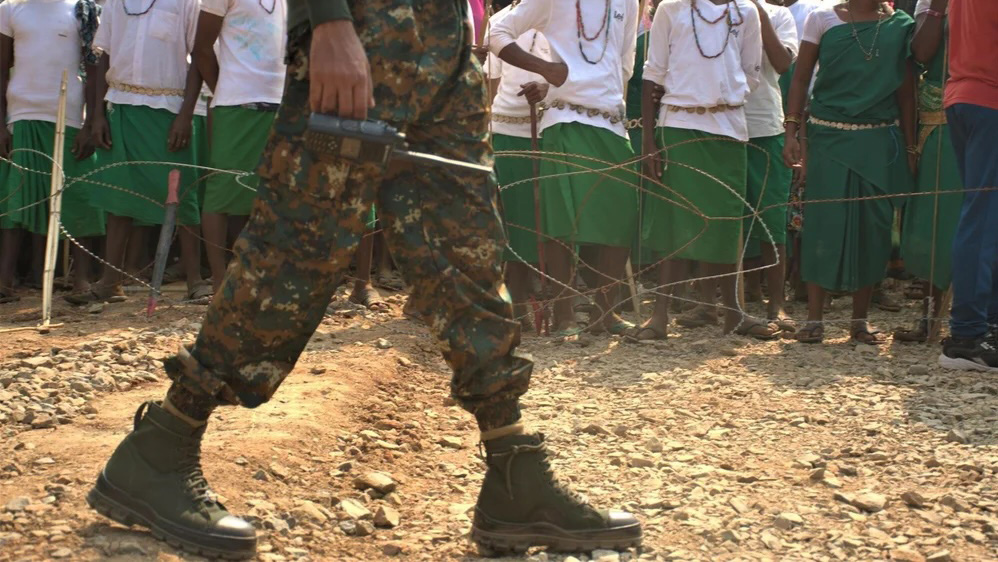
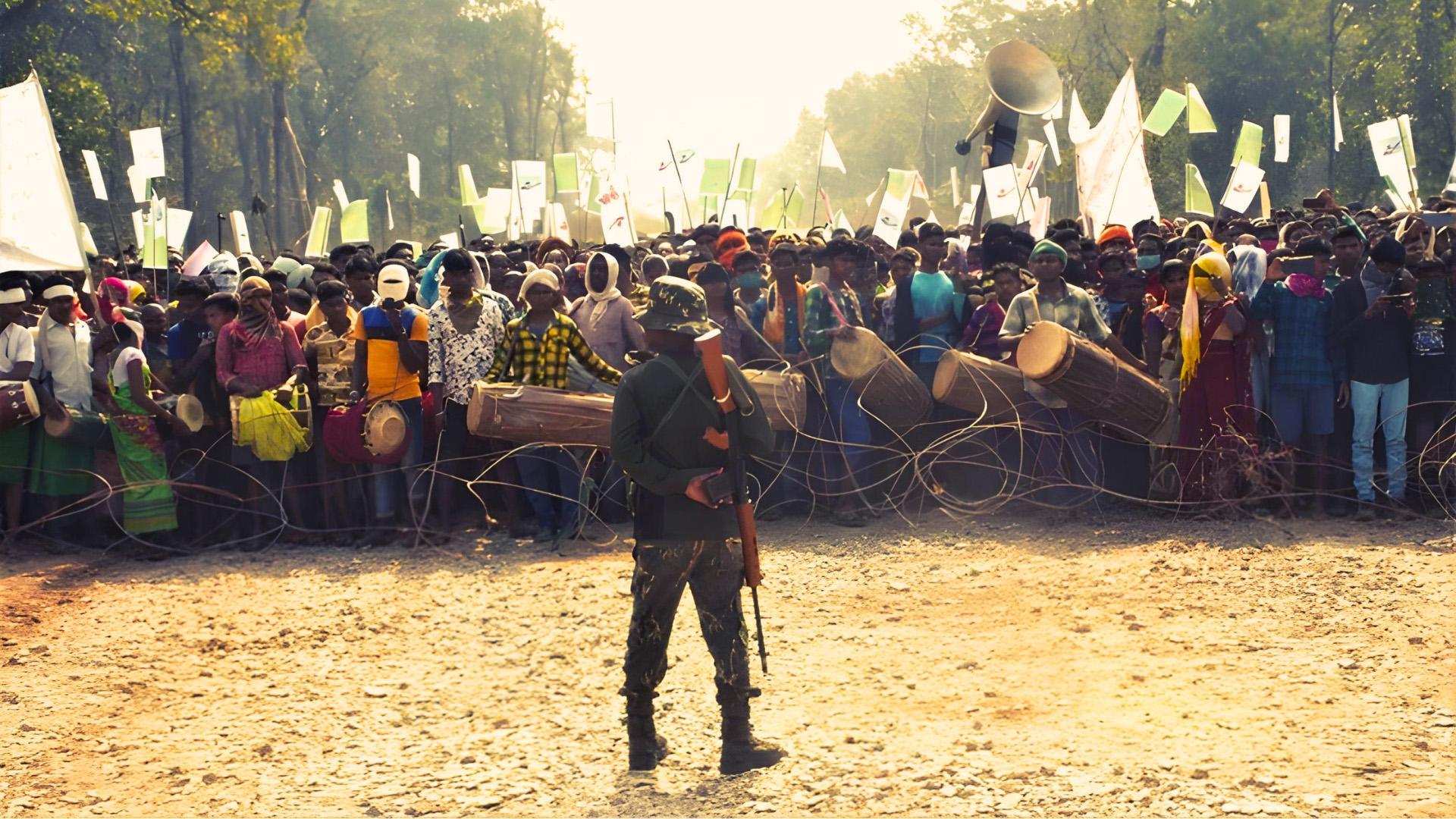
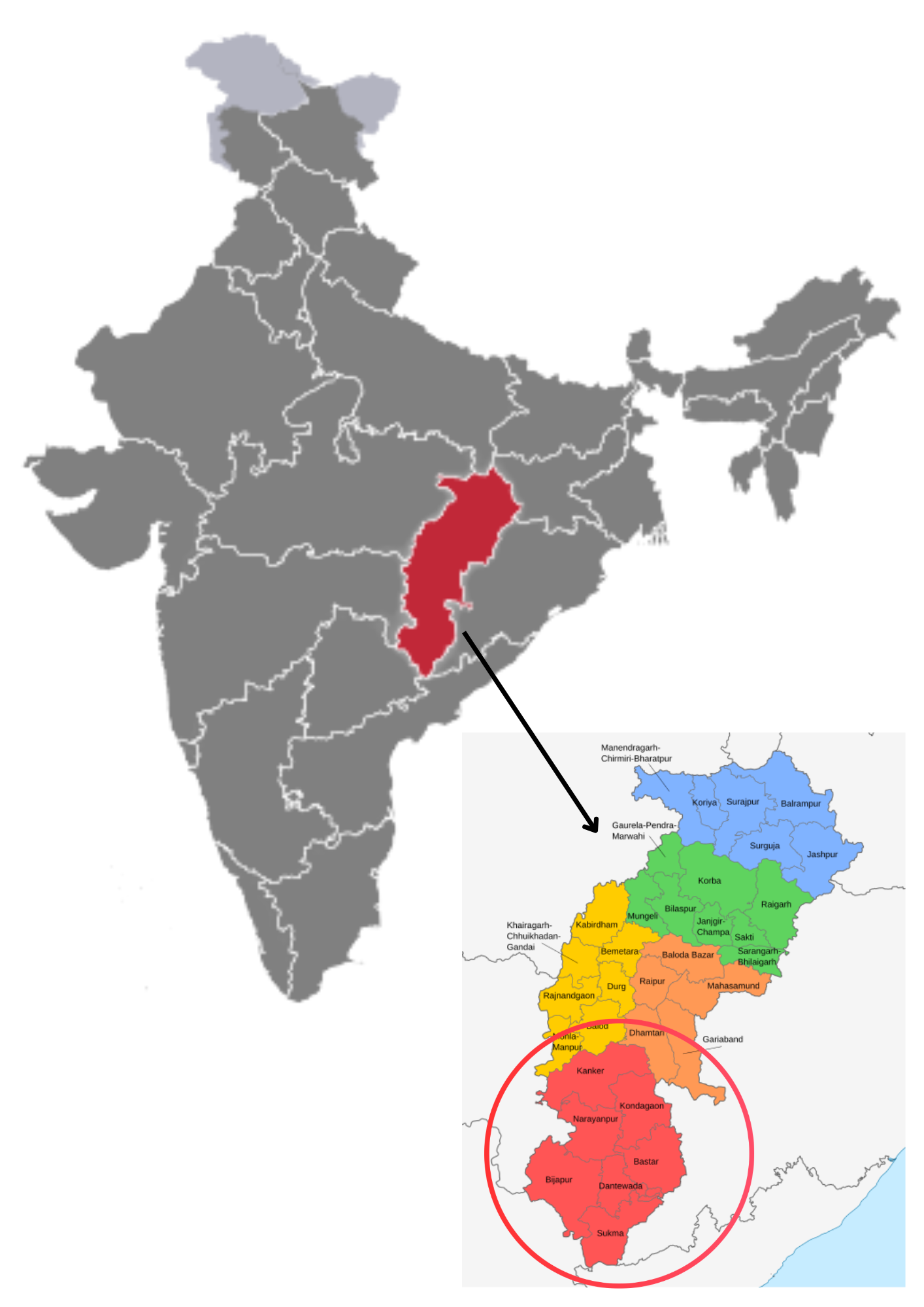
In the Bastar region of the state of Chhattisgarh, India, Indigenous Adivasi communities are facing escalating militarization, extrajudicial killings, displacement, and criminalization, unfolding in parallel with the rapid expansion of mining and extractive projects across Adivasi territories. Bastar’s biodiverse tropical forests and hills cover nearly 33,000 square kilometers and are home to 2.7 million people, two-thirds of whom belong to Indigenous Adivasi communities. In recent years, counterinsurgency operations by the Indian government in the region have intensified alongside the expansion of mining projects that are clearing forests at an alarming rate. As youth activists and community leaders resist dispossession, extrajudicial killings and mass incarceration of human rights defenders have skyrocketed, with no recourse to justice from the judicial system.
Learn more
Adivasi means “original inhabitant” and refers to India’s Indigenous Peoples. In Bastar, communities like the Gond, Maria, Halba, and Muriya have lived in and sustained forest territories for generations. These forest communities traditionally engage in farming, hunting, fishing, gathering produce, and making medicine. Their cultural and spiritual practices are also related to the forests. Despite this long relationship with the land, Adivasi communities remain among the most marginalized populations in India, and the Bastar region has some of the country’s lowest indicators for health, education, and economic development.
Bastar is rich in both ecology and minerals. This combination has made it a key frontier for unsustainable mining and industrial development. For decades, communities have resisted attempts to establish large mining projects on their lands. At the same time, a longstanding insurgency in the region centred among the Adivasi people has allowed the government to frame Bastar primarily as a security problem. As a result, Indigenous organizing, protest, and political participation are frequently criminalized.
Economically, Bastar’s mineral wealth underpins Chhattisgarh’s economy: the state holds roughly 19% of India’s iron ore, 20% of its bauxite, and 36% of its tin, generating over ₹15,000 crore annually in mineral revenue, with Bastar a major contributor due to its iron ore reserves. The region also contains diamonds, gold, limestone, dolomite, and coal. Mining began in the mid-1960s, with leases issued around 1965 and commercial iron ore production starting in 1968 under NMDC Limited in the Kirandul and Bacheli complexes in the sacred Bailadila hills (Dantewada district). Expansion has been contested. A proposed project at Bailadila “Deposit 13” was halted on 11 June 2019 following large-scale protests, as it threatened Nand Raj Pahad, a sacred site of the Koya Adivasi community. Over the past two decades, companies including Essar Steel (3.2 MTPA in Dhurli and Bhansi) and Tata Steel (5 MTPA in Lohandiguda) pursued projects that faced strong resistance from Adivasi farmers over displacement. Evidence later showed Gram Sabha consent obtained in 2014 had been falsified; Tata withdrew in 2016, and 1,724 hectares were returned to communities by 2018–2019. More recently, in March 2025, ArcelorMittal, via its joint venture ArcelorMittal Nippon Steel India, secured a Composite Licence to explore and mine two 850-hectare forest blocks (Bailadila Deposits 01A and 01B).
Some Adivasi leaders describe their experience of development in Bastar as “developmental violence.” In theory, development should bring infrastructure, healthcare, education, and economic opportunity, grounded in free, prior, and informed consent. In practice, development projects in Adivasi territories have involved land acquisition, displacement, militarization, forest loss, and infrastructure construction for mining and the transport of minerals. Communities that resist these projects face intimidation, arrests, or killings. Developmental violence refers to this pattern in which development is imposed through force and the suppression of Indigenous resistance, rather than through consultation and consent; it is primarily aimed at serving corporate interests.
In December 2023, India’s Home Minister declared that the regional insurgency would be eliminated by March 31, 2026. Soon there was an exponential increase in killings across Bastar’s forested areas – as security operations described as counterinsurgency “encounters” escalated. By December 2025, over 550 people had been killed in Bastar alone. Presently, although the numbers of encounters appears to have reduced due to crushing of the Maoist movement, control over everyday life in many villages is tightening through new security camps, expanded surveillance, and restrictions on both movement and forest access. Mining projects are accelerating, and community leaders fear what the approaching “elimination” deadline will bring.
Resisting land grabs, militarization, and destructive mining
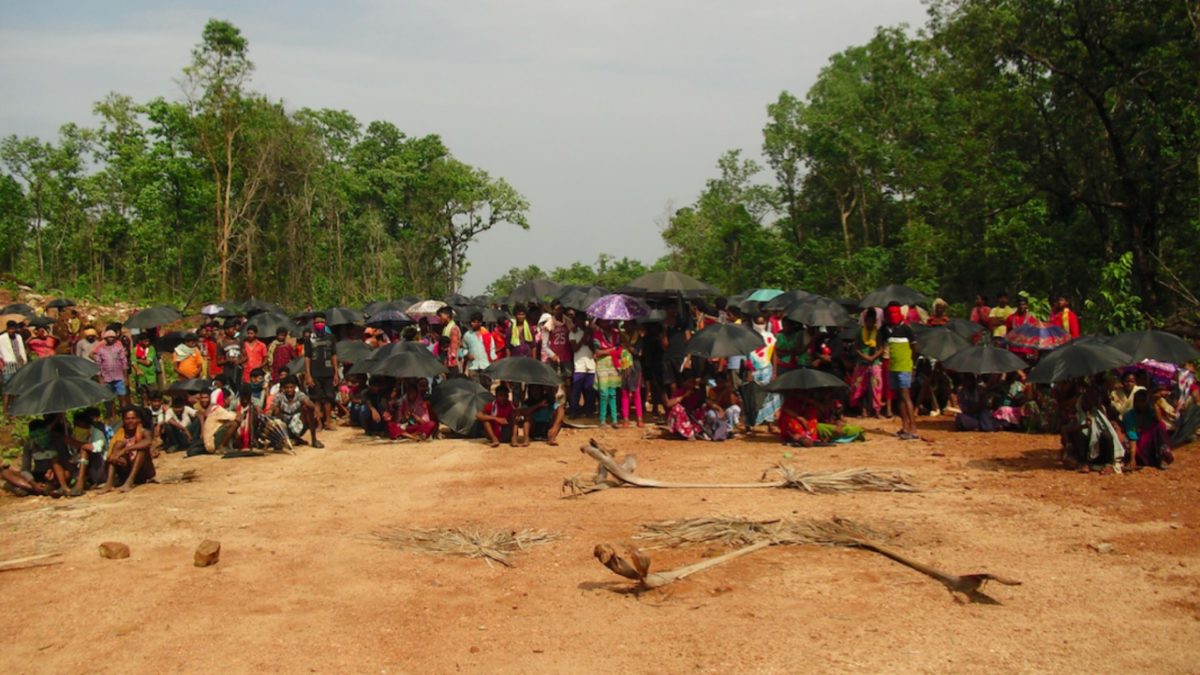
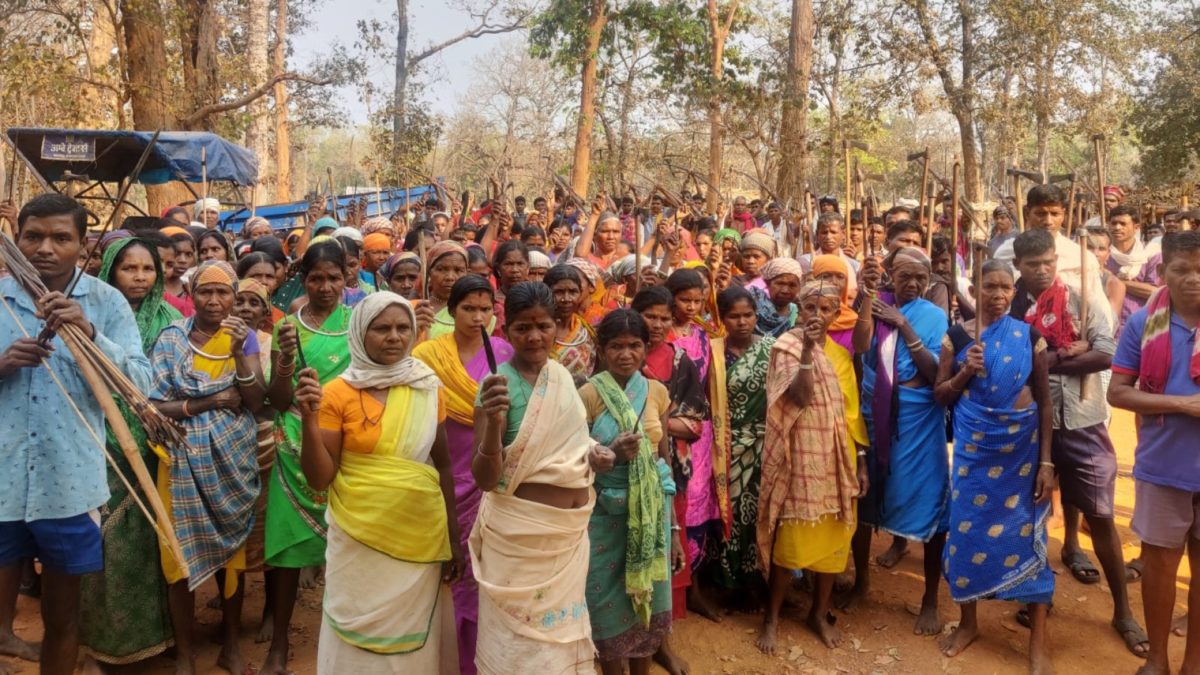
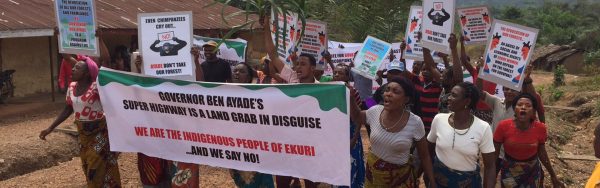
Despite the risks they face, Adivasi communities in Bastar have repeatedly organized to defend their human rights and legal territorial rights. For decades, local movements have resisted large mining and industrial projects that have threatened forests and villages. In some cases, community mobilization has successfully forced companies to withdraw or suspend operations. These struggles have taken place under extremely difficult conditions, with activists facing surveillance, intimidation, harassment, arrests, extrajudicial killings, and physical and sexual violence.
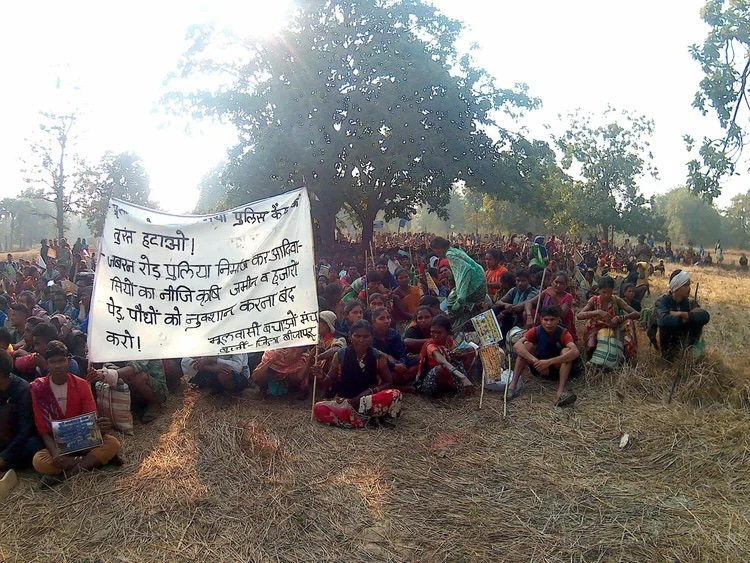
In 2021, a new wave of organizing emerged when Adivasi youth began building what they described as justice-based peacebuilding movements. These initiatives called for dialogue, the implementation of existing constitutional protections for Indigenous communities, and an end to violence. By 2024, more than 40 protest sites had appeared across Bastar, where young activists and community leaders organized public meetings and demonstrations. The largest of these platforms, Moolwasi Bachao Manch (Save the Indigenous Peoples’ Movement), was later declared unlawful by the state government, and many organizers were arrested under stringent anti-sedition laws.
Today, many of the young leaders who helped build these movements remain in detention. Yet the underlying demands of Bastar’s Adivasi communities—for security, the recognition of their rights, and the protection of their lands—remain unresolved, and people continue to protest.
Patterns of Abuse Documented
- Extrajudicial killing of civilians
- Sexual violence against Adivasi community members
- Security camps established in Adivasi territories
- Deliberate creation of internal divisions and distrust within Adivasi communities
- Criminalization of youth-led mass movements and political participation
- Arbitrary detention of human rights defenders
- Issue of mining licenses in Adivasi territories without free, prior, and informed consent (FPIC)
The Bastar Crisis in Numbers
676
killed by the military between 2020 and 2025
158
mining leases issued as of 2023
40+
protest sites organized by Adivasi youth across Bastar by 2024
Why Bastar matters globally and how to take action
Despite the scale of the crisis in Bastar, it remains relatively invisible internationally. The situation unfolding here reflects a larger global pattern in which Indigenous territories rich in biodiversity and natural resources are increasingly targeted for extraction. Across the world, governments and corporations are expanding mining, infrastructure, and energy projects into Indigenous lands, often accompanied by militarization and the criminalization of community resistance.
Bastar represents one of the more extreme examples of this pattern currently unfolding. Civil society organizations working in the region face significant constraints, and many Adivasi leaders operate under constant risk. Greater international attention can play an important role in ensuring transparency, supporting documentation efforts, and strengthening accountability for human rights violations. Solidarity from Indigenous networks, civil society organizations, researchers, and international institutions is critical to ensuring that the voices of Bastar’s Adivasi communities are heard.
Submit a message of support and solidarity for the Adivasi youth human rights defenders and activists currently incarcerated under fabricated charges by the Indian State using the online form on the website of InSAF India here. The messages will be made public on the dedicated webpage and we will share with you again once published so you can also share the message on your social media handles. You may use the images and video links available on this solidarity page for your social media posts. We will also endeavour to send the messages to the activists’ lawyers to convey to them.
Latest updates