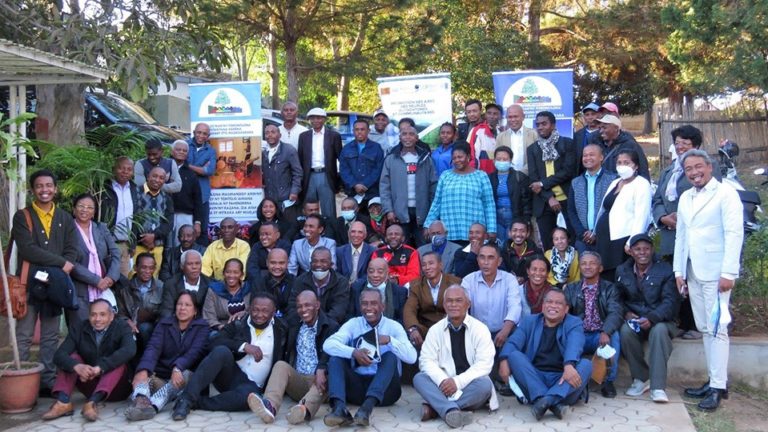
Communities strengthen self-determination in Madagascar
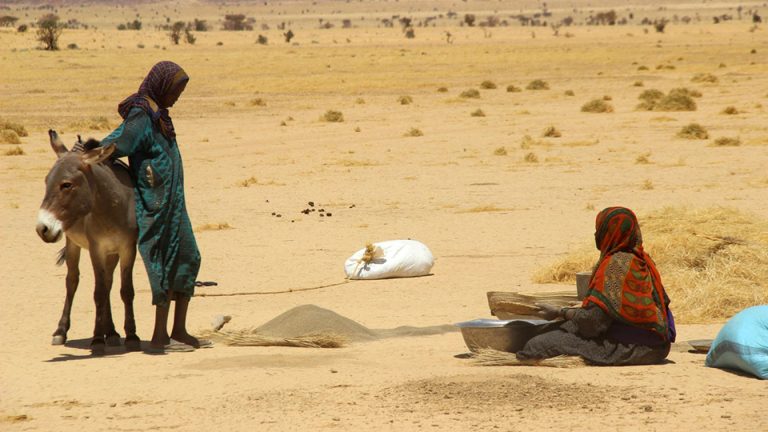
National networks TAFO MIHAAVO and FANONGA FOKONOLONA use strategic planning process to support community self-empowerment and sovereignty. Read more ▸

National networks TAFO MIHAAVO and FANONGA FOKONOLONA use strategic planning process to support community self-empowerment and sovereignty. Read more ▸
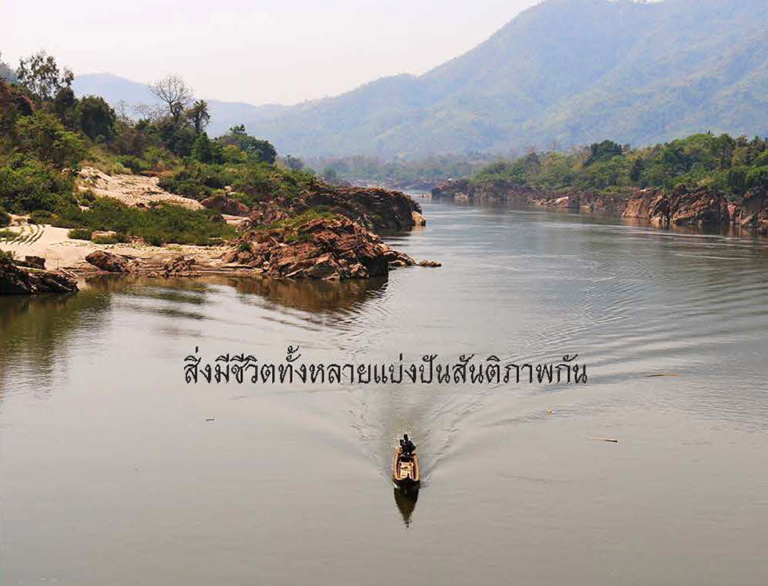
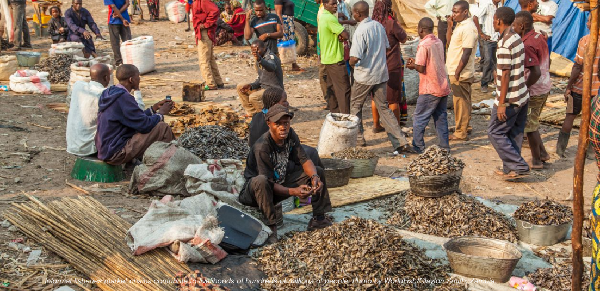
Karen environmental leader Paul Sein Twa took part in the recently concluded Twentieth Session of the UN Permanent Forum on Indigenous Issues. He spoke as a panelist in a side event titled “Indigenous peoples’ inland small-scale fisheries for healthy food systems.” This article is an adaptation of his speech. Read more ▸
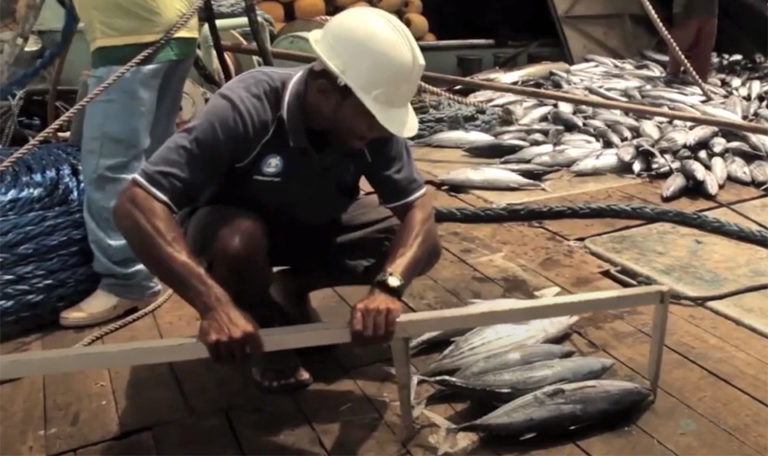
Calls for a new area-based conservation target must not bulldoze the Indigenous roadmap that has allowed small island nations to sustainably govern and manage a hundred percent of their coastal and marine territories, improve their lives and conserve fisheries. Read more ▸
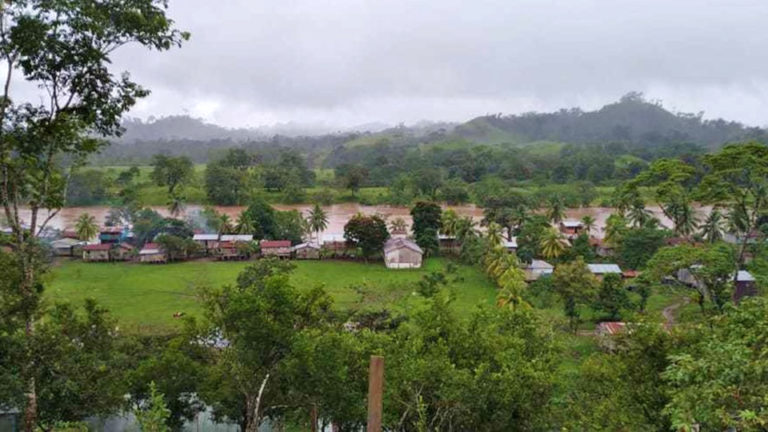
Joint briefing by several human rights organizations details systematic and widespread violence against those defending the rights of the Mayangna and Miskitu Indigenous peoples in the Coco (Wangki) River basin and the Bosawás Biosphere Reserve. Read more ▸
Integrating gender justice in the mainstreaming of biodiversity could be a highly effective way to secure universal human rights for women. Read more ▸
The “30 by 30” campaign for marine protected areas will marginalize the very people who – far from contributing to the problem – have long been a big part of the solution. Read more ▸
Indigenous peoples in Chile conduct assessments of human rights impacts and business connections to hold international mining companies accountable. Read more ▸
The complementary use of scientific and Indigenous knowledge will allow for better implementation of spatial management in these territories of life. Read more ▸
In Finland, the Selkie village community’s success to restore territories of life in the Jukajoki river basin raises hope for national-scale landscape restoration. Mining and other extractive activities degraded boreal peatlands in the Nordic country. But the villagers and fishers of Selkie successfully used local ecological knowledge and legal actions to stop destructive mining. Read more ▸
In the current context of State inaction and corruption, the challenges introduced by the COVID-19 pandemic have hit Indigenous communities in Guatemala especially hard. ICCA Consortium Council Member Felipe Gómez describes this multi-faceted crisis, along with the hopes and strategies of Indigenous communities: solidarity, spirituality, and community organization. Read more ▸
In view of the upcoming 2020 United Nations Ocean Conference, several organizations, including the ICCA Consortium, launched “RISE UP, A Blue Call to Action”. In an interview with the Spanish radio RTVE, former ICCA Consortium council member Vivienne Solis Rivera details the initiative and its objectives. Read more ▸
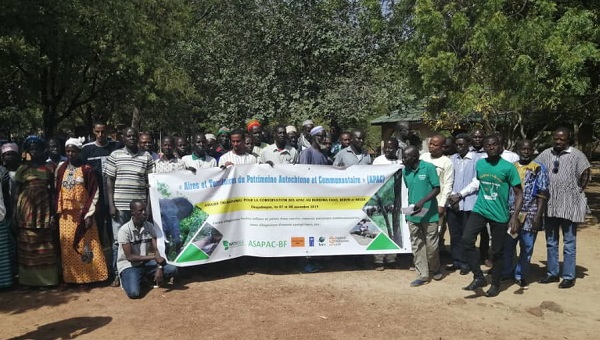
A workshop on ICCAs in Burkina Faso and Benin brought together many Consortium actors from both countries, as well as supporters, partners and resource persons. It was an opportunity to raise the visibility of ICCAs, discuss community governance dynamics, identify threats and possible solutions and formulate recommendations to states, NGOs and communities. Read more ▸
‘Blue justice’ represents a growing global movement calling for greater social justice for small-scale fisheries. Read more ▸
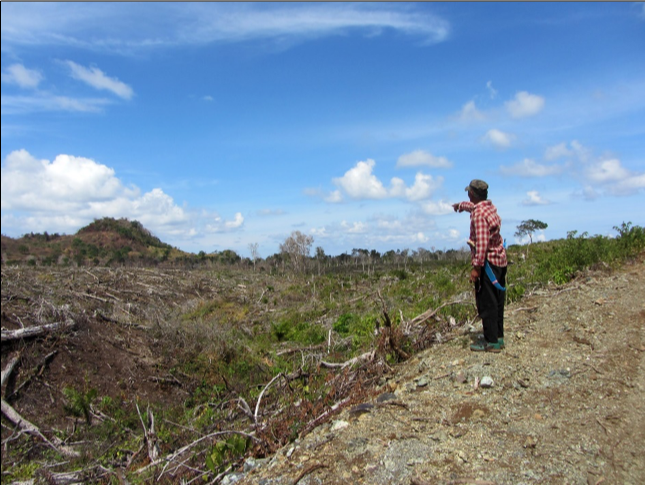
By: Dario Novellino, Coalition against Land Grabbing (CALG), ICCA Consortium member Of all the large-scale mono-crop plantations, oil palms have had the most massive… Read more “Simply stop any expansion of oil palm plantations worldwide and put an end to palm oil production and imports!” ▸
ICCA Consortium CC BY-NC-SA 4.0 | Privacy policy
Made with ♥ in Switzerland by KOSDESIGN | Hosted in Switzerland by INFOMANIAK