
at UNCCD COP17
Pastoralist voices, living territories and collective action for resilient rangelands.
At UNCCD COP17, the ICCA Consortium is joining pastoralist communities, Members, partners and allies to highlight the vital role of pastoral territories of life. Through publications, community stories, policy messages and events, we are showing how mobility, customary governance, collective stewardship and Indigenous knowledge sustain rangelands, biodiversity, cultures and livelihoods—and strengthen resilience to land degradation and climate change.
Explore our key resources and join us at COP17 in Ulaanbaatar as we advance recognition and support for pastoralists as rights-holders and custodians of their territories of life.

Key Resources
Book
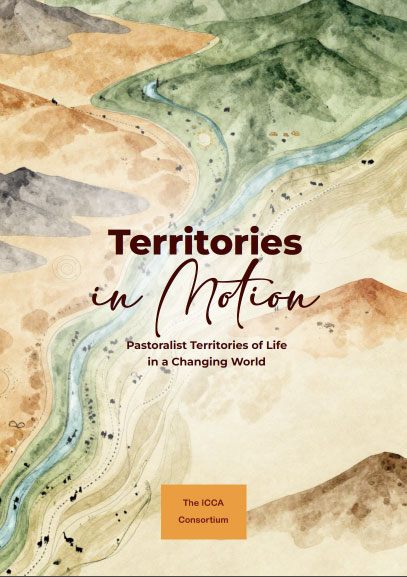
Territories in Motion: Pastoralist Territories of Life in a Changing World
Pastoralist mobility is not aimless movement, and rangelands are not empty spaces. This publication explores how pastoral communities govern living landscapes through mobility, collective tenure, customary institutions and knowledge carried across generations. It shows why pastoral territories of life are essential for biodiversity, resilient food systems, cultural continuity and adaptation in a changing world.
Book
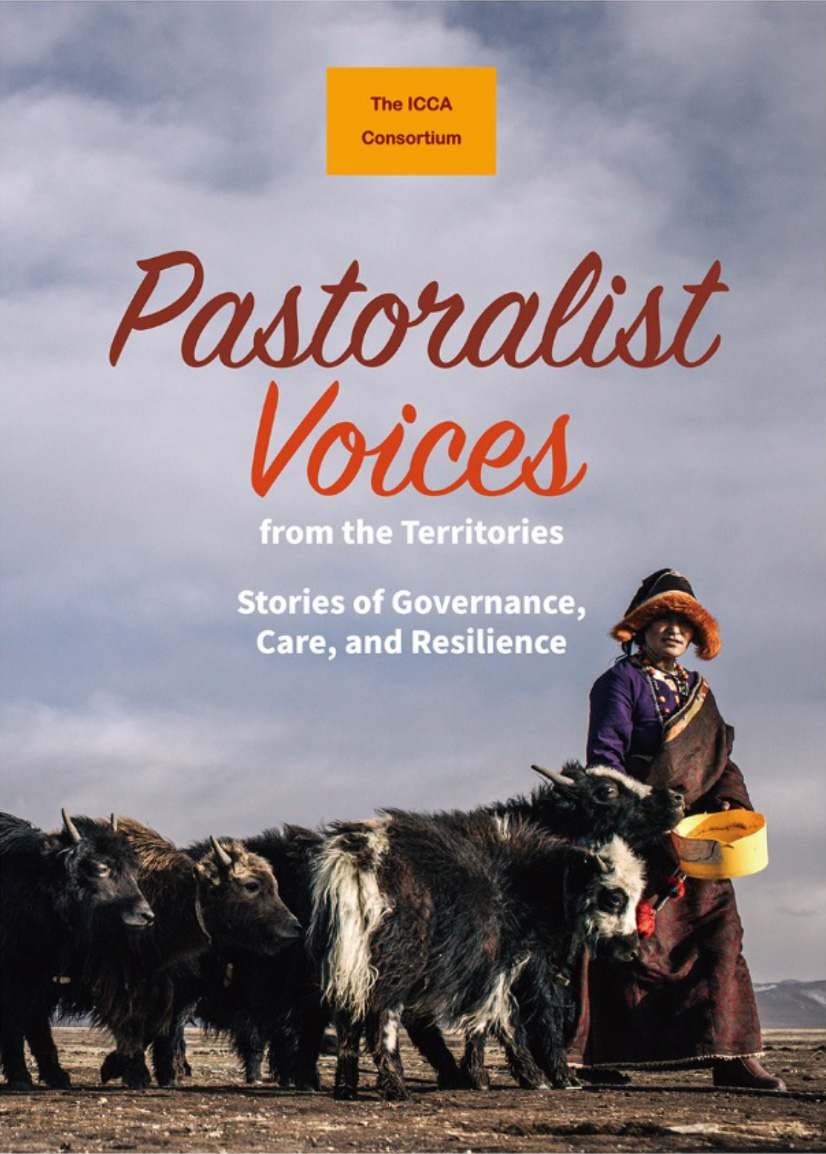
Pastoralist Voices from the Territories: Stories of Governance, Care, and Resilience
Pastoralists speak directly about their relationships with land, water, animals and community. These stories illuminate the governance systems, cultural practices and everyday acts of care through which pastoral communities sustain their territories. Together, they reveal both the resilience of pastoral ways of life and the pressures communities face from land conversion, climate change, insecure tenure and exclusionary policies.
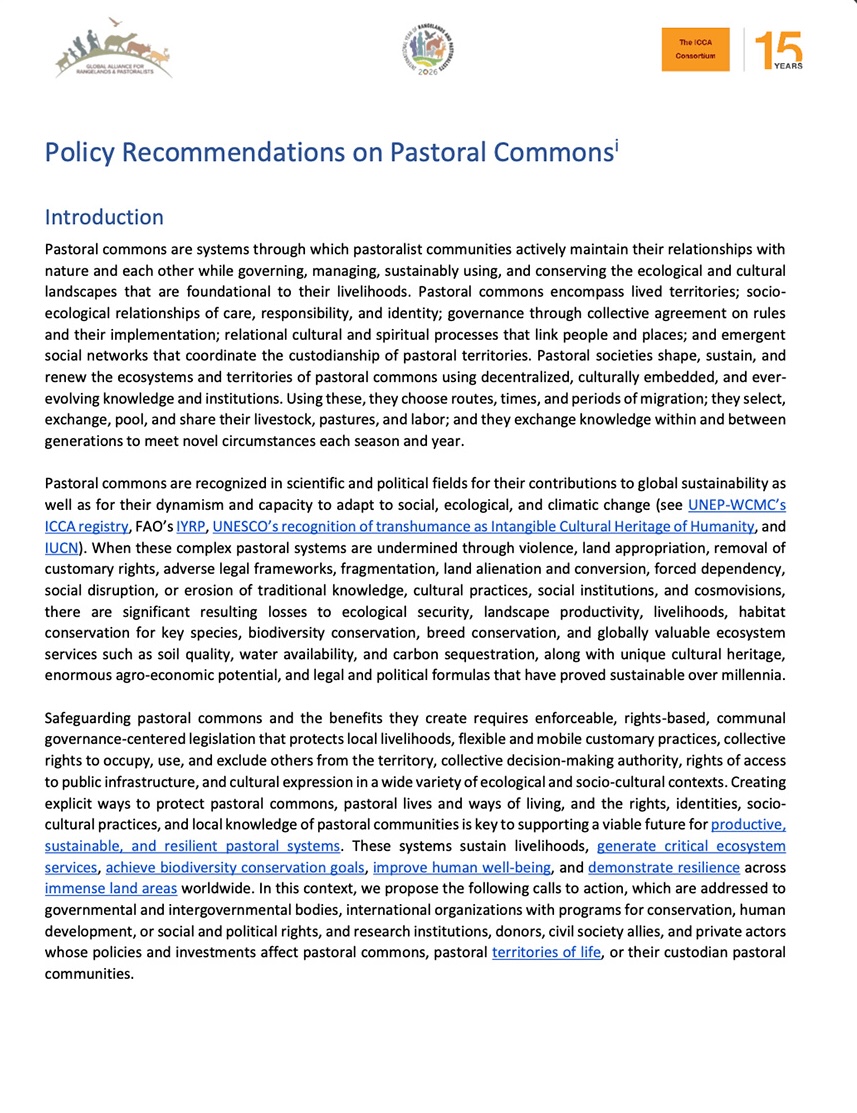
Policy brief
What’s at Stake for Pastoral Territories of Life?
This policy brief sets out why the recognition of pastoralists’ collective rights, mobility and customary governance is central to healthy rangelands and effective land restoration. It identifies priority actions for governments and institutions, including securing collective tenure, safeguarding migration routes, supporting community-led governance and ensuring pastoralists’ meaningful participation in decisions affecting their territories.
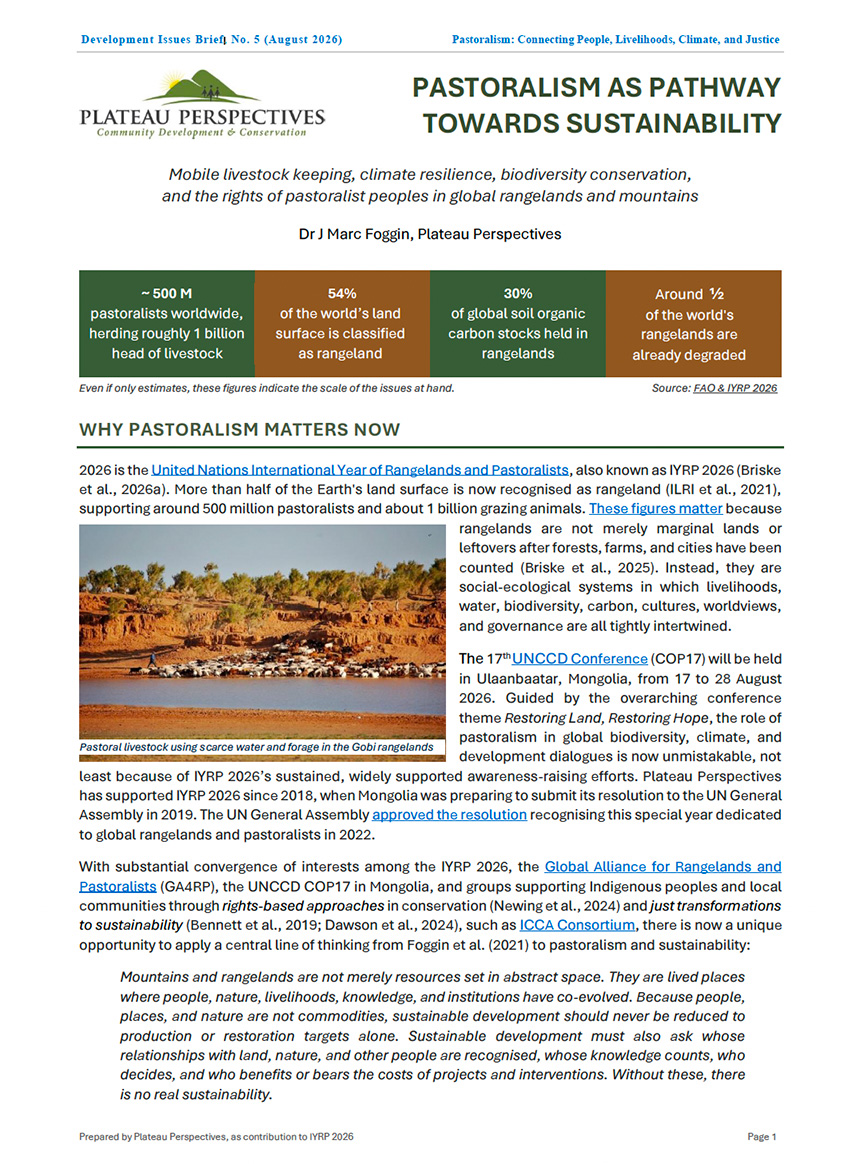
Issue Brief
Pastoralism as pathway towards sustainability
By Marc Foggin, Plateau Perspectives
Pastoralism is often misunderstood as an outdated or environmentally damaging livelihood. This brief argues the opposite: mobile pastoralism can be a pathway toward sustainability when its full social, ecological, cultural, and economic value is recognised. Rangelands cover more than half of the Earth’s land surface, support hundreds of millions of people, store major soil carbon, and sustain biodiversity in highly variable environments. Pastoralists manage these landscapes through mobility, local knowledge, customary institutions, and care for livestock, often in places where farming is difficult or impossible. The brief distinguishes pastoral systems from industrial livestock production and highlights why local communities’ rights, tenure, participation, and governance are essential to climate, biodiversity, and land restoration goals.
ICCA Consortium and Member events at COP17
19 August | 13:15–14:45
China Pavilion, Blue Zone
China’s Experience in Community Engagement for Grassland Governance and Climate Change Response
A discussion of experiences from China in community participation, collaborative grassland governance and climate-change adaptation.
Organizers: Shan Shui Conservation Center; Xilingol AEI Environmental Volunteer Association; West Ujimqin Pastoral Information Service Center; Inner Mongolia Churiya Pastoral Ecology Research Center; and UNDP/GEF Small Grants Programme.
20 August | 08:30–10:00
MET-05
Official side event #650
A discussion of community-driven approaches to sustainable land and territorial management, bringing together practical experiences from rangelands and pastoral landscapes.
20 August | 12:30–14:00
IUCN Pavillion, Delegates Pavillion
Restoring Land, Restoring Hope through an Economy of Care
This side event will bring women’s voices from Indigenous and local communities to share their work, their aspirations, and their knowledge and perspectives in advancing a holistic One Health approach that recognizes the interconnections between the health of people, animals, plants and ecosystems. It will highlight how women sustain and transmit intergenerational knowledge —including food, traditions, medicinal plants and ecosystems stewardship —while strengthening community resilience and restoring land to in the face of environmental degradation.
Organized by: Wome4Biodiversity, MARAG, Oxfam
20 August | 18:00–19:30
MET-05
Official side event #694
The session will explore how Indigenous Peoples and local communities generate and govern knowledge about their territories, and how community monitoring can contribute to Land Degradation Neutrality while respecting community priorities, rights and knowledge systems.
21 August | Time to be confirmed
Public Pavilion, Green Zone
Community-Based Co-management of Rangeland Territories of Life: IYRP Processes and Challenges
Through discussions and a participatory workshop, this session will explore experiences with community-based rangeland co-management and territories of life. Participants will reflect on progress, opportunities and continuing challenges emerging from the International Year of Rangelands and Pastoralists, with particular attention to community governance, pastoralist rights and locally led stewardship.
22 August | 10:30–12:00
MET-05
Official side event #669
This event will explore how pastoralist-led conservation and restoration practices contribute to ecosystem recovery, the prevention of land degradation and long-term resilience. The discussion will examine customary grazing systems, seasonal mobility, collective territorial governance and Indigenous knowledge as foundations for healthy soils, biodiversity and climate adaptation.
22 August | 15:00–16:30
MET-03 (CSO)
Protected and Conserved Areas, Pastoralists’ Rights and Territories of Life: Towards Inclusive Conservation and Resilient Rangelands
Official side event #364
This session will examine how rights-based and inclusive conservation—including ICCAs–territories of life and community-led governance—can support rangeland restoration and resilience. It will highlight the importance of pastoralists’ rights, mobility, collective stewardship, access to grazing areas and migration routes, and enduring cultural relationships with land.

Learn more
-
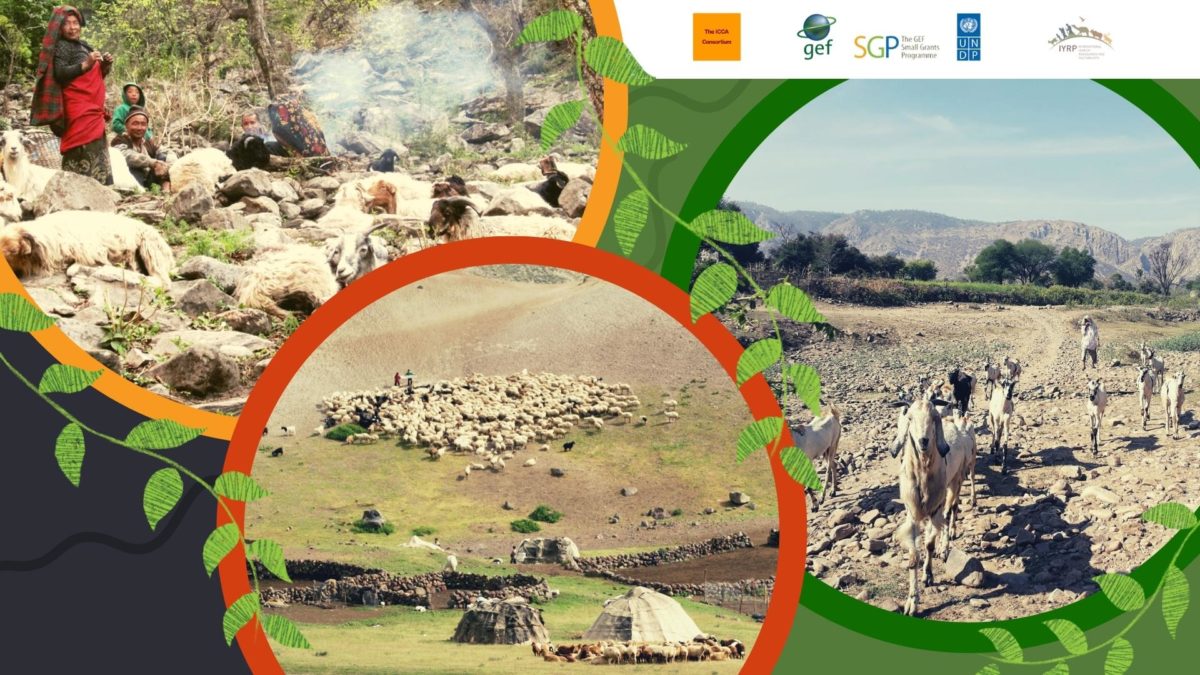
Recap of “Rangelands and pastoralism: towards a global initiative for pastoralists’ territories of life” workshop
-
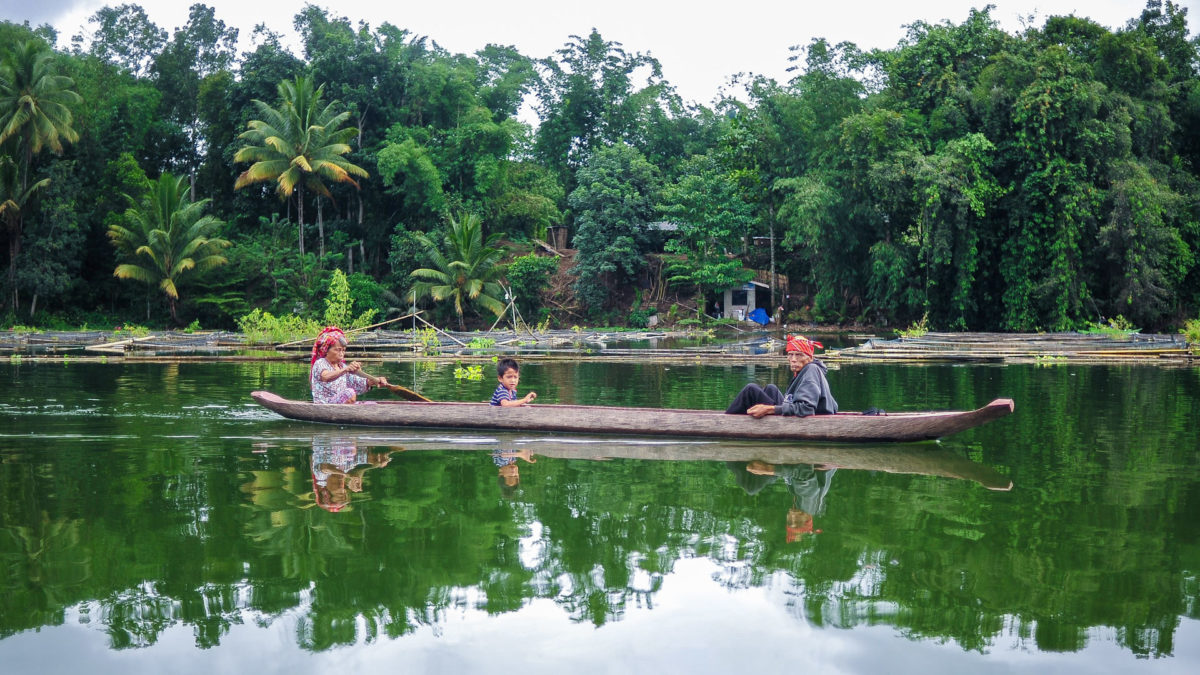
New report on territories of life in Southeast Asia out now
-

Invitation to the virtual workshop on “rangelands and pastoralism: towards a global initiative for pastoralists’ territories of life”
-
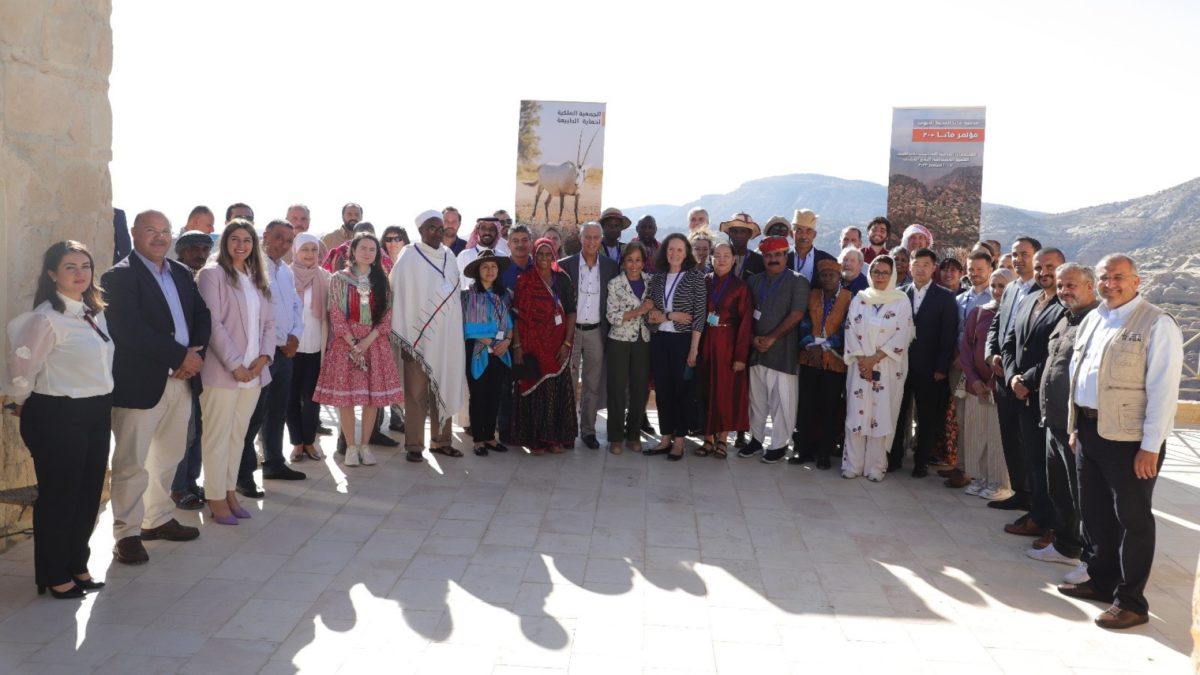
Dana+20 manifesto renews call to recognize and respect the rights of Mobile Peoples
-
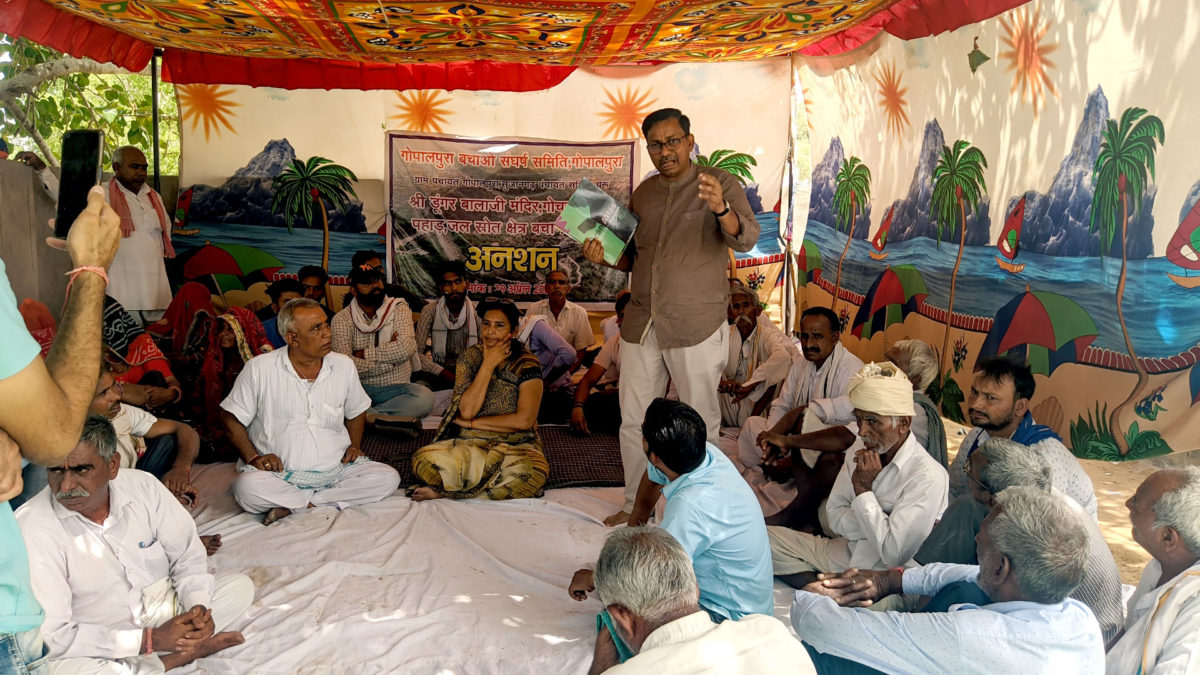
Post-2020 global biodiversity framework: grassroots consultation on domestic implications in India
-
FAO side event calls for support for mobility and seasonal migration of pastoralists
-
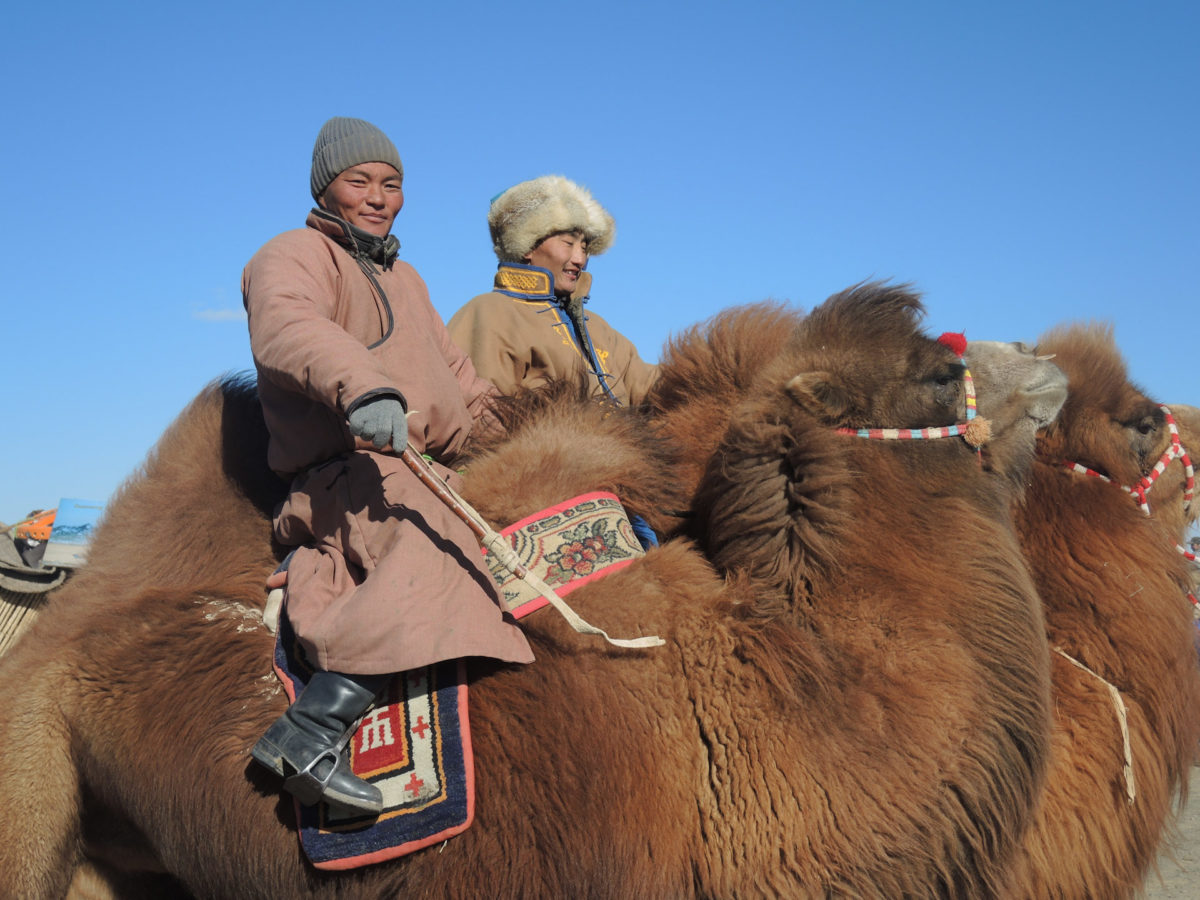
ICCA Consortium welcomes UNGA-declared International Year of Rangelands and Pastoralists, calls for support for territories of life
-
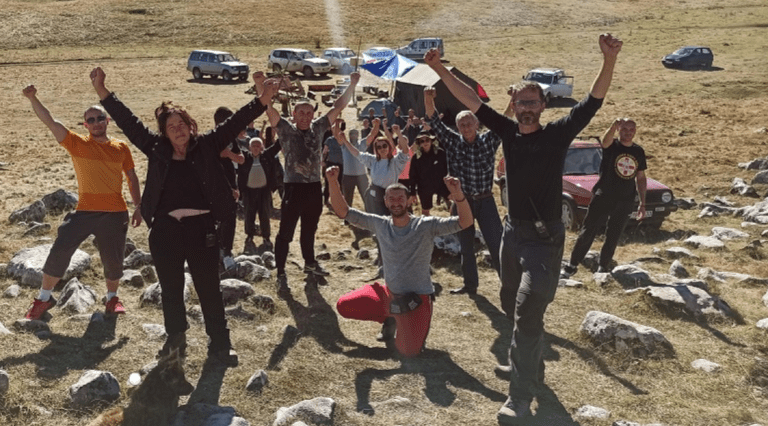
Save Sinjajevina association receives the first-ever annual War Abolisher Award and relaunches its campaign
-
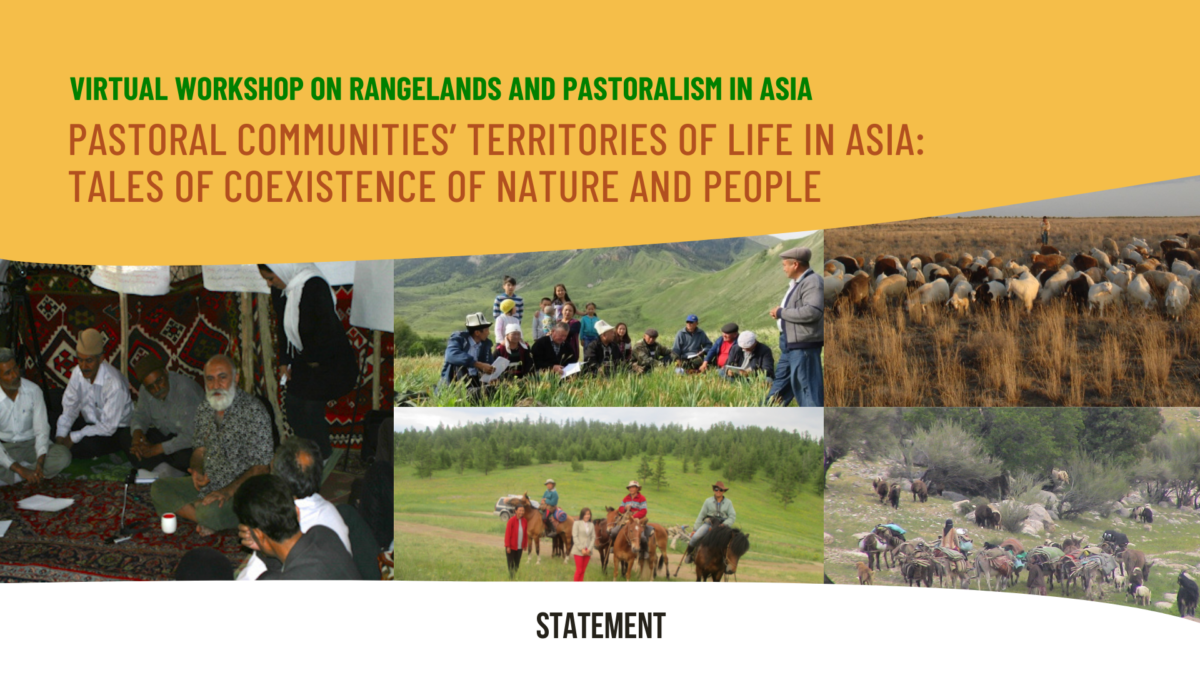
Statement from the virtual workshop on rangelands and pastoralism in Asia