From Dalaba to Koundara, discover how local communities weave together spirituality and conservation to protect biodiversity and sustain their livelihoods
First published on 04/27/2026, and last updated on 05/14/2026
By the ICCA Consortium
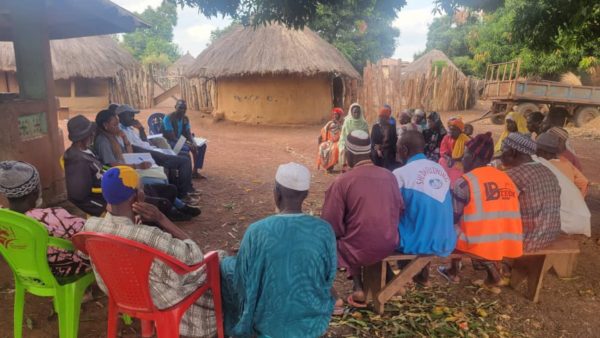
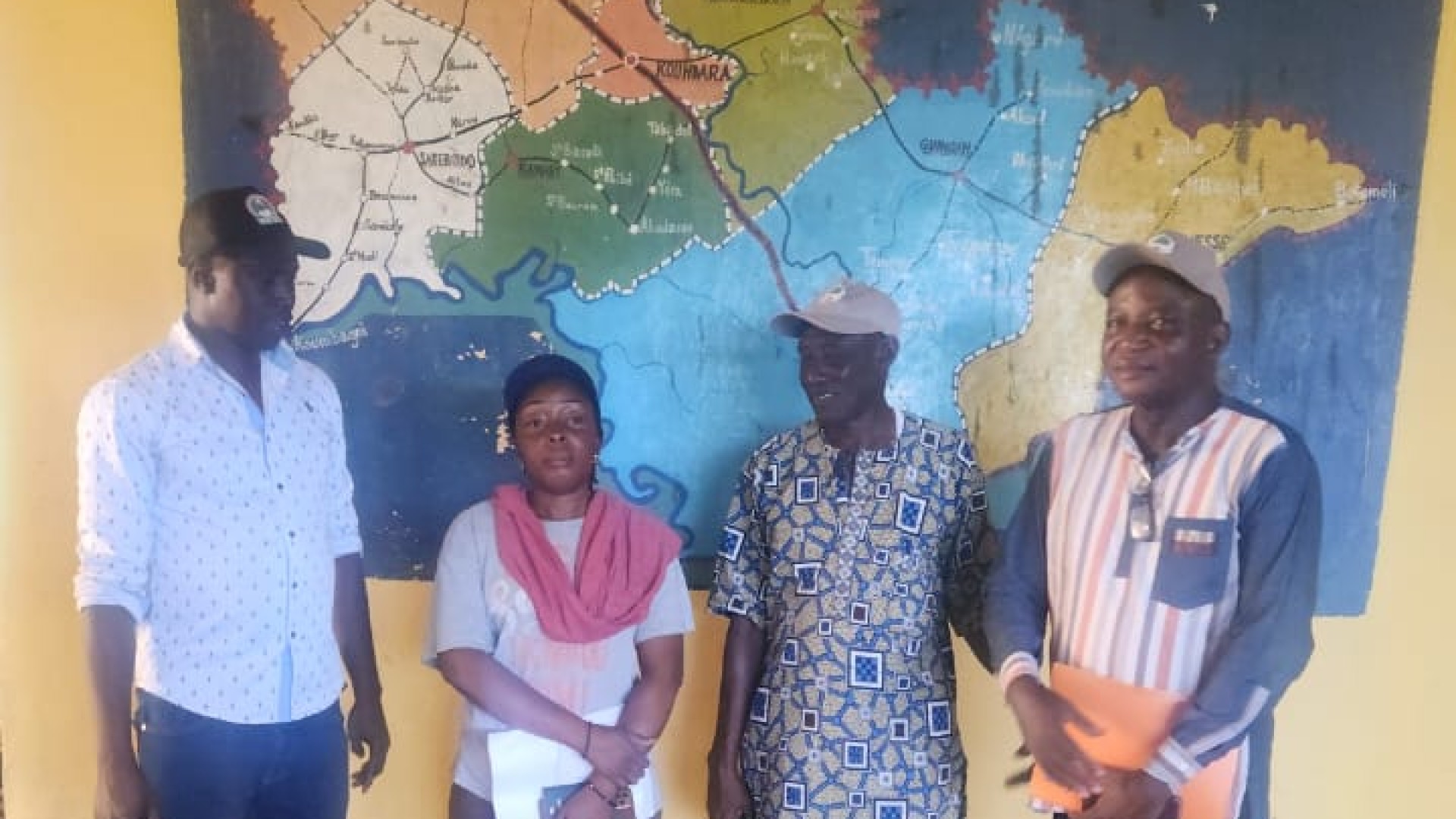
Guinea stands out for the richness and diversity of its ICCAs-territories of life, managed by local communities through long-standing customary practices. A recent field mission, jointly carried out by members of the ICCA Consortium’s West Africa coordination team and community leaders from Guinea in the prefectures of Dalaba, Télimélé, and Koundara, highlighted the remarkable variety of these territories, which are essential for biodiversity conservation, cultural identity and community resilience.
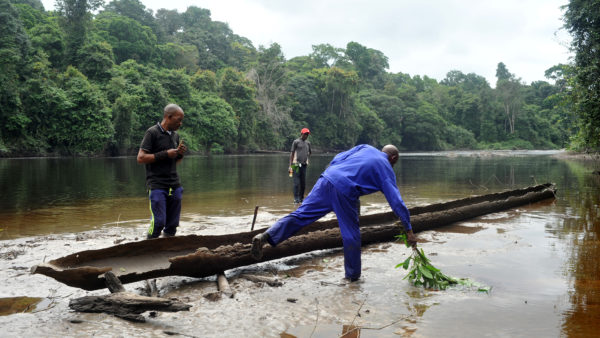
In Middle Guinea, ICCAs take many forms, each deeply rooted in local history, spirituality, and the surrounding environment. In Télimélé, the Boudou Galé ICCA—known as the “Island of pure water”—protects a sacred spring and a dense forest that shelters threatened plant and animal species. Safeguarded through tradition and strong community commitment, the site plays a vital role in water regulation, agriculture and the transmission of knowledge.
In the prefecture of Koundara, near the border with Senegal, the ICCAs of Wousson, Koyan and Basséné illustrate the close interplay between community governance, spirituality and ecological stewardship. The Wousson ICCA is organized around a customary committee and encompasses gallery forests, savannahs and plateaus. Meanwhile, Koyan and Basséné—home to the Badiaranké and Coniagui peoples—reflect a careful and disciplined management of sacred forests, guided by initiation rites, sustainable farming practices, and the intergenerational transmission of values.
In Dalaba, on the highlands of the Fouta Djallon, the Didërë-Foulah and Goubhe de Diaguissa ICCAs serve as true ecological refuges. These sites protect sacred ponds, endemic species and remnants of ancient forests, while maintaining local governance systems grounded in respect for customs and inclusive community participation by both men and women.
Together, these territories of life reveal the diversity of Guinea’s community-based approaches to ecosystem stewardship and cultural heritage preservation. The field visits across these ICCAs underscore how deeply intertwined traditions, spirituality and sustainable resource management form the foundation of resilience and identity for rural communities in Guinea. They also highlight the remarkable work carried out on the ground by local actors to identify and bring visibility to these territories of life—work that remains essential and must continue to sustain the momentum growing across the region.