Spanning nearly 32,000 hectares, these sites reflect diverse governance systems and socio-ecological contexts, with shared priorities around conservation, livelihoods, and recognition
First published on 04/21/2026, and last updated on 05/14/2026
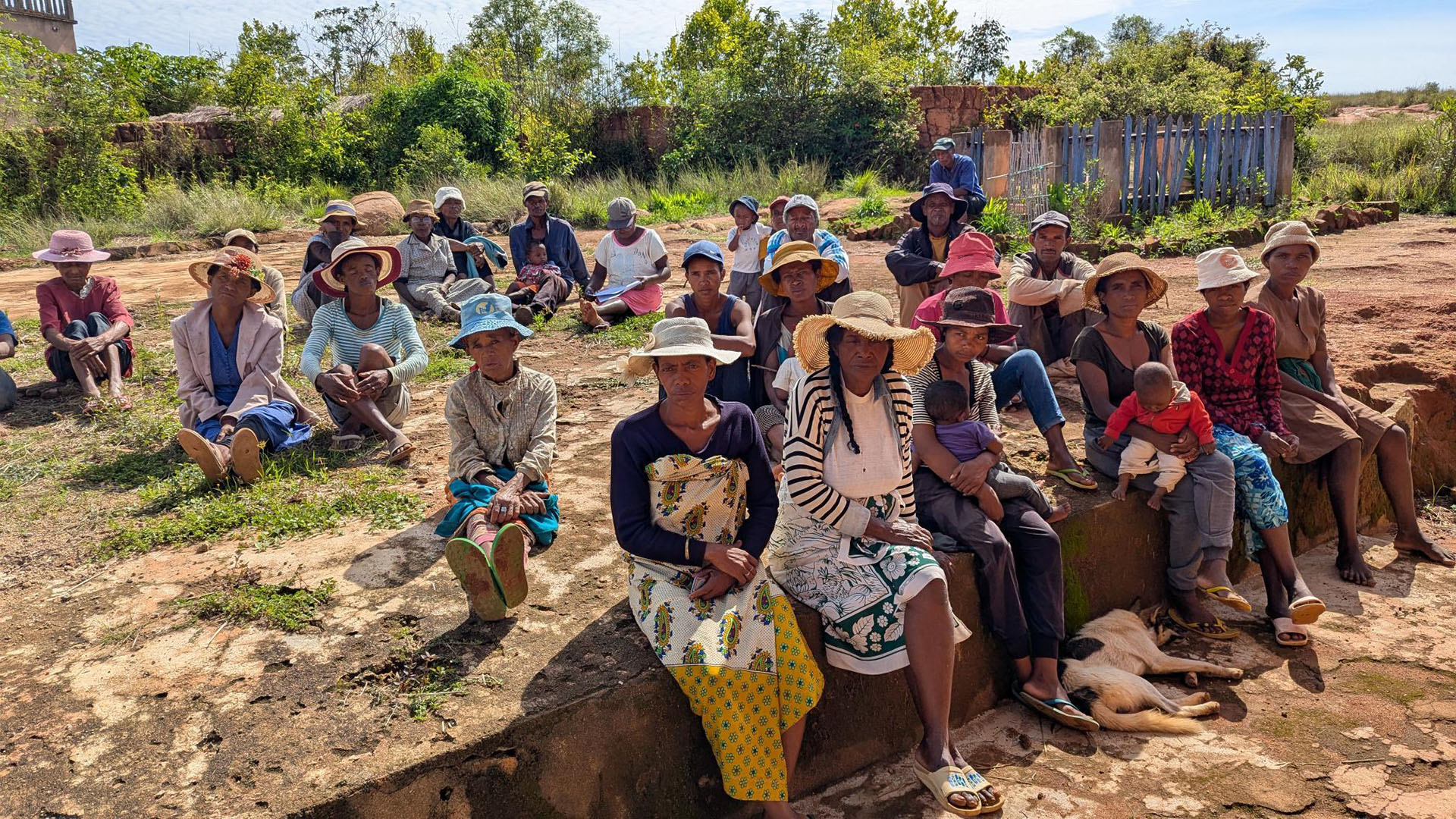
Five community-governed territories in Madagascar – Andranobe, Anjà, Vorehe, Amby, and Soanavelandrazana – have been added to the global registry of territories of life.
Their inclusion follows a community-led self-strengthening process supported by the TAFO MIHAAVO Joint Initiative with Natural Justice, under the German Agency for International Cooperation (GIZ)’s Global Biodiversity Framework (GBF) implementation programme. In each case, the process has been anchored in community governance and the articulation of Community Biocultural Protocols, which set out the communities’ territorial visions and conditions for engagement with external actors, according to their customary laws and international human rights.
The five Territories of Life span diverse socio-ecological systems. In the central Itasy region, the Amby and Soanavelandrazana ICCAs are organized around tapia forest landscapes that sustain endemic species, including the wild silkworm (Borocera cajani), and support local production systems for silk and medicinal plant use. Further south, Andranobe is structured around a lake and surrounding mosaic of forests and farmland, managed as a shared commons with established rules for fisheries and resource use.
In the Haute Matsiatra region, the Anjà ICCA combines forest protection with a well-established community tourism model centered around a significant population of Madagascar’s endemic ring-tailed lemurs. And near the western coast, Vorehe covers an extensive dry forest and savannah territory governed by the Mikea community through clan-based structures and dina customary regulations, regulating access to and use of natural resources.
Across all five sites, governance is exercised through community assemblies and locally-defined institutions, with broad participation in decision-making and implementation. Current priorities for these communities include strengthening ecological monitoring, securing legal recognition, improving water and agricultural infrastructure, sustainable income generation, and maintaining ancestral knowledge transmission.
Their inclusion in the Registry adds nearly 32,000 hectares of community-governed Territories of Life to the global ICCA network and Protected Planet database.