Where mountain forests meet valley grasslands, seasonal grazing and shared rules guide conservation
First published on 04/21/2026, and last updated on 06/03/2026
By ICCA Consortium
Working closely with Consortium member JASIL in Mongolia, the Bayanbulag herder community in Töv Province’s Batsumber Soum (district) has completed internal demarcation within their grassland and forest territory—a crucial step in strengthening day-to-day management on the ground.
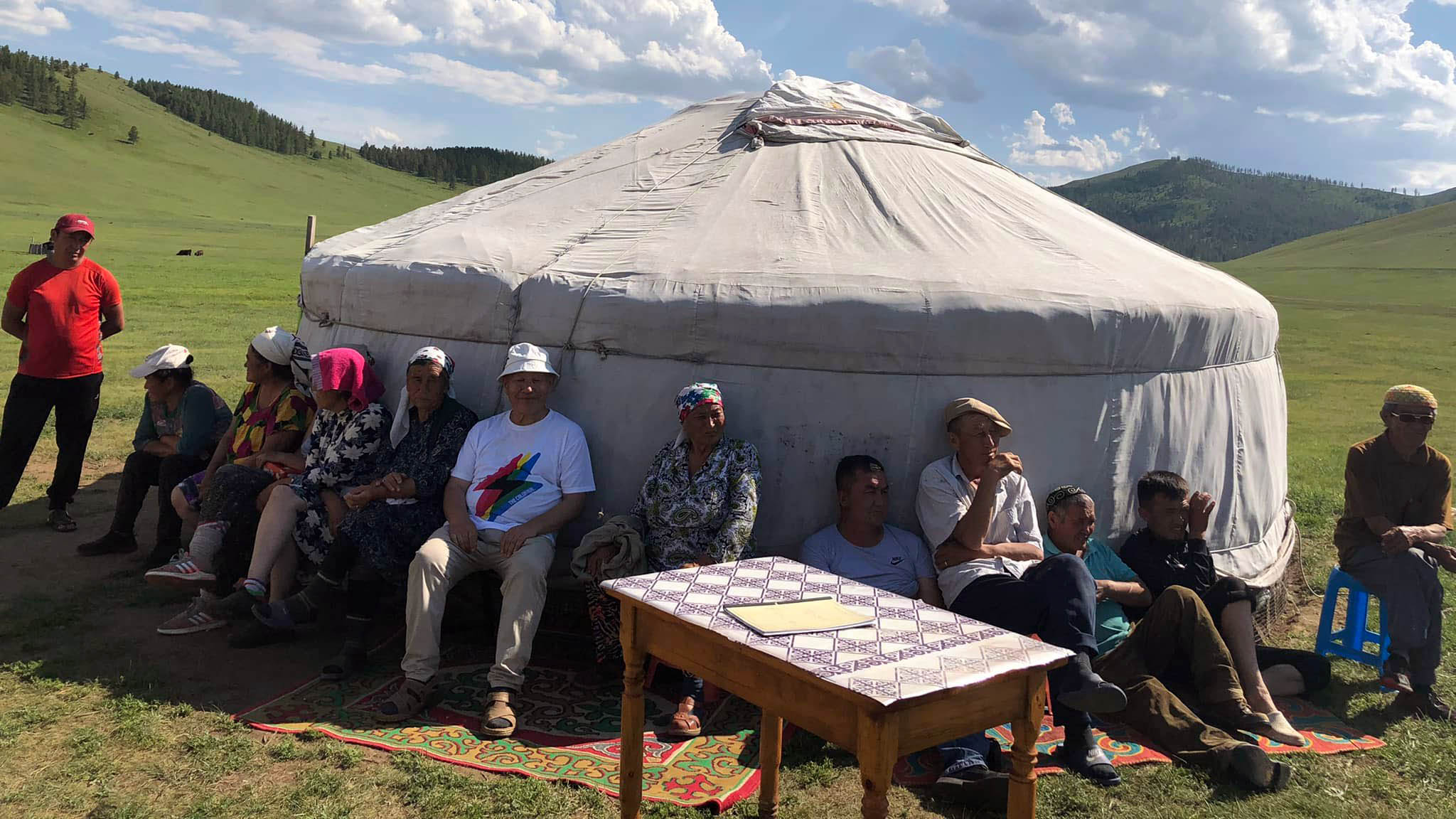
In Bayanbulag, the herder community of 12 households is the custodian of their surrounding grasslands, forests, and water sources for their livelihoods. Their income comes mainly from raising livestock for milk and meat. Through shared decision-making and sustainable practices, they actively manage and protect forests, pastures, water sources, and other natural assets to ensure their long-term sustainability.
This way of life is part of a long pastoral tradition in Mongolia, where mobility, seasonal grazing, and shared use of rangelands have sustained both people and ecosystems for generations. Rangelands remain central to rural livelihoods and national identity, supporting both household economies and broader ecological stability.
However, this system is under increasing pressure. Mongolia is undergoing a rapid transition from a state-led to a market-based economy, which has changed how land, resources, and responsibilities are organized. At the same time, herder communities are facing overlapping challenges: increasing livestock numbers; water scarcity; climate change; pastureland degradation; and the expansion of mining, illegal logging, and poaching.
Policy and legal frameworks are also evolving. While they create new opportunities, they can be difficult for local communities to navigate in practice. Many herders lack clear, locally recognized mechanisms to manage and defend their territories and resources collectively. However, traditional governance of pastoral territories of life is increasingly being recognized within formal legal frameworks.
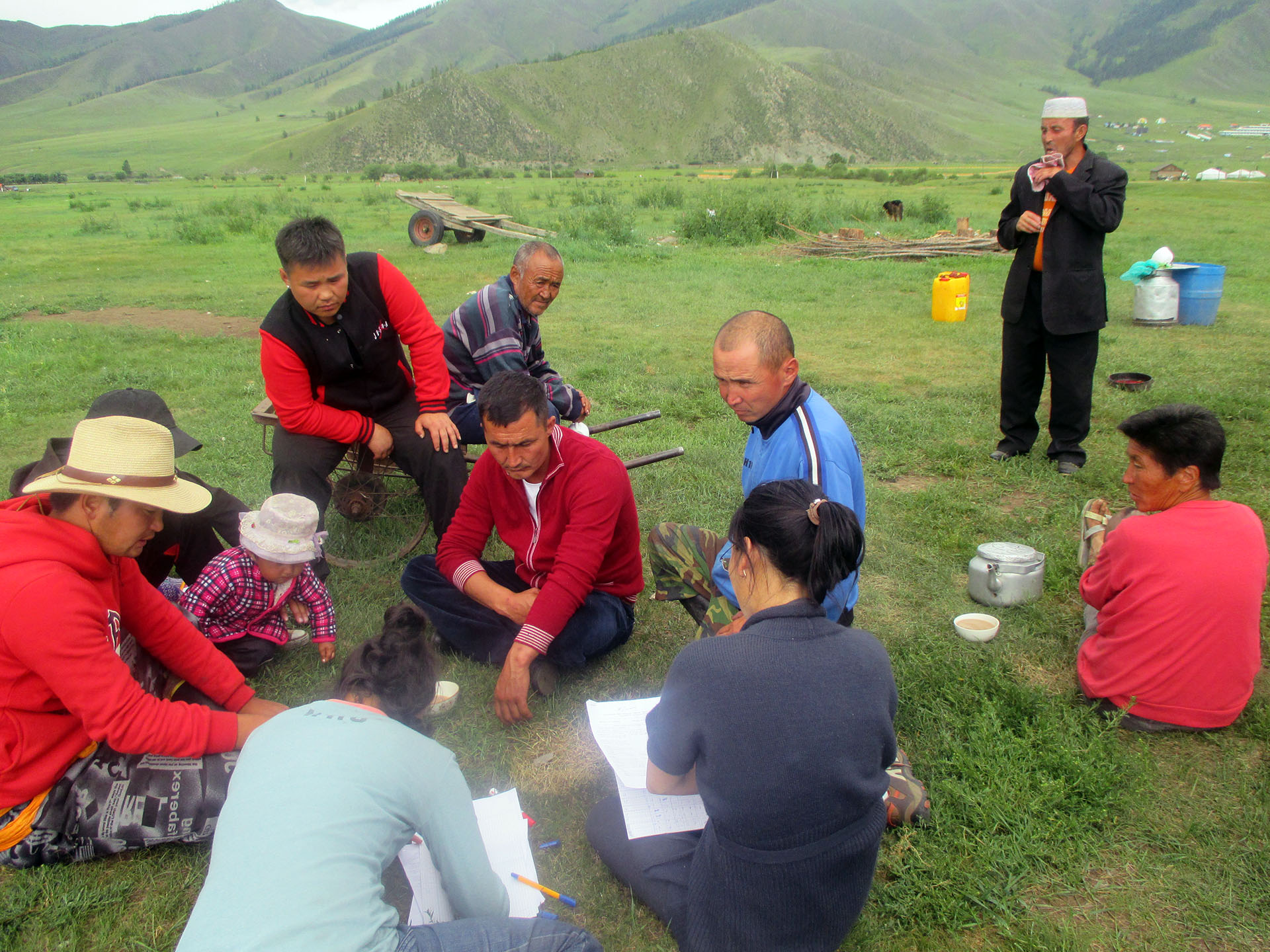
For example, the 2024 Law, “On the Legal Status of the Unified Association of Herder Households,” particularly Article 5.1, provides a foundation for this. It recognizes herder groups as non-profit legal entities and supports the preservation of pastoral culture, collective management of resources, and the sustainable use of pastures according to their ecological carrying capacity. It also aims to strengthen livelihoods by improving livestock productivity and resource management. For communities like Bayanbulag, this creates new opportunities—but also requires practical ways to apply these principles on the ground.
The Bayanbulag territory of life covers about 2,300 hectares, where mountain forests connect with valley grasslands. The community manages these areas collectively, using seasonal grazing patterns and shared agreements to balance use and conservation. They also take responsibility for protecting forests, water sources, and wildlife habitats that are essential to both their livelihoods and the wider ecosystem.
Yet one practical challenge remained: without clearly marked boundaries, it was difficult to prevent unauthorized grazing, resolve disputes with neighboring herders, or respond to illegal activities. In such a large and open landscape, full mapping or fencing is neither feasible nor desirable.
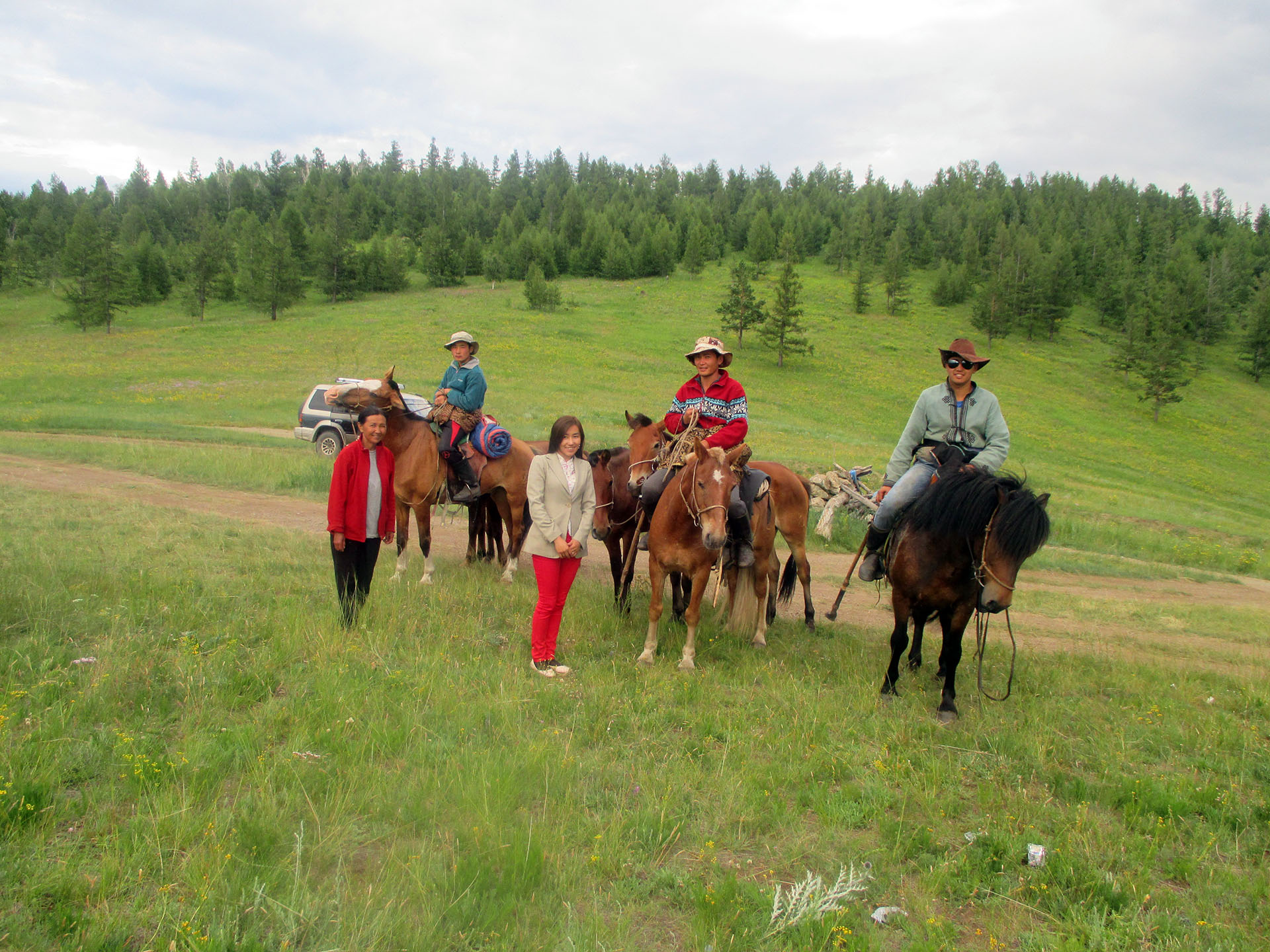
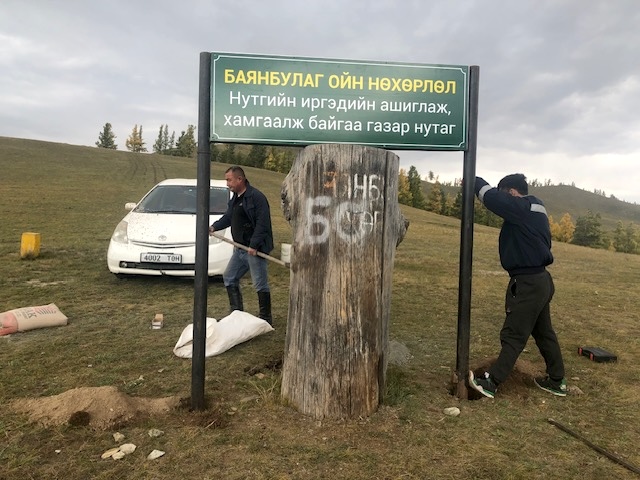
Marking the boundaries of the territory of life provided a simple but effective solution. With clear, locally agreed markers, the community can now better communicate where their collective management applies.
This has led to several immediate changes, such as: neighboring herders are less likely to enter the area without prior agreement; illegal activities such as logging or poaching are easier to identify and address; community members feel more confident in monitoring and protecting their land; and the group has a stronger basis for engaging with local authorities and applying relevant legal frameworks.