First published on 07/22/2026, and last updated on 08/14/2026
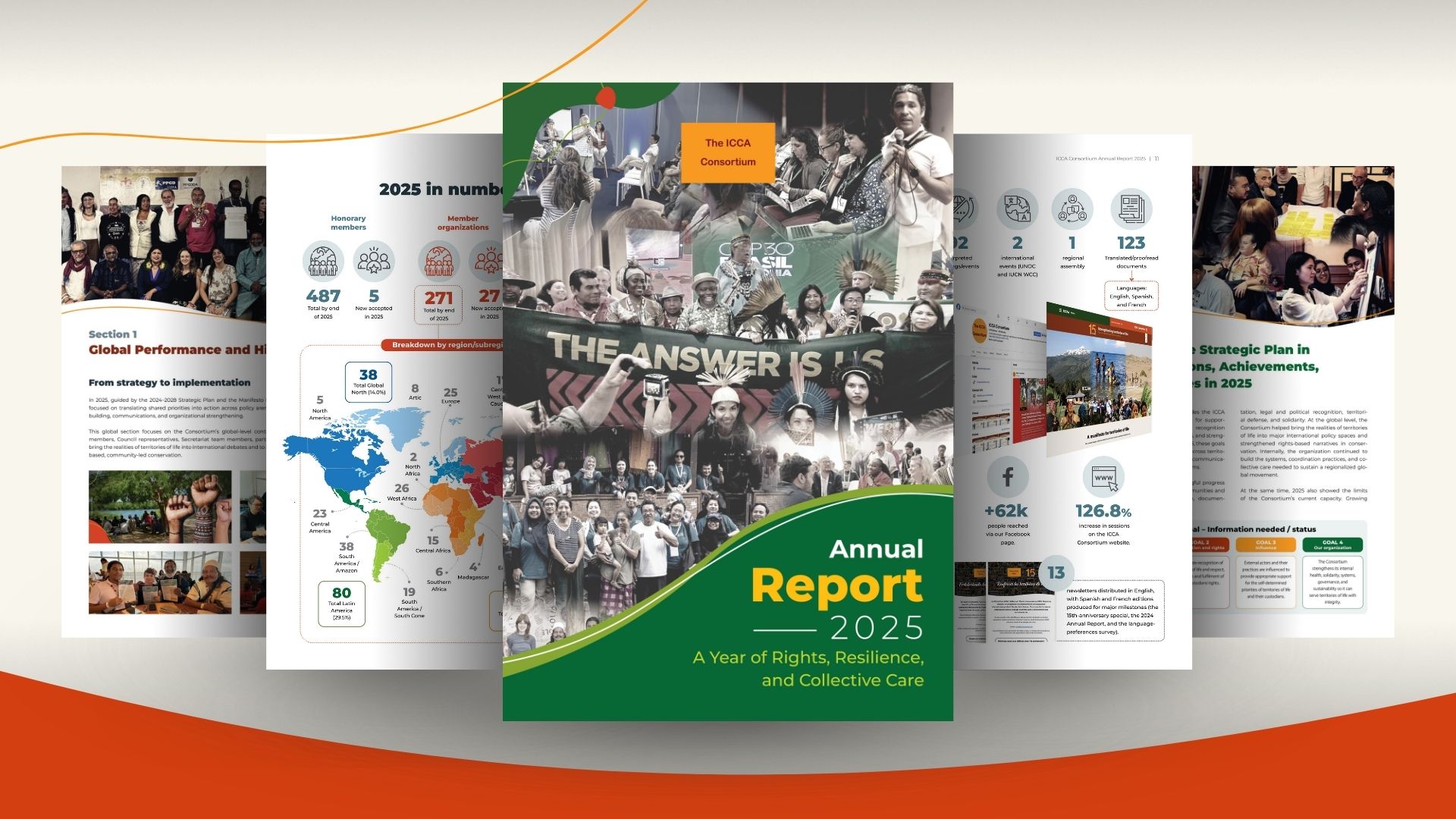
ICCA Consortium Annual Report 2025
A Year of Rights, Resilience, and Collective Care
A review of 2025 regional and global action, strategic milestones, and community-led conservation across ICCAs–territories of life
By the ICCA Consortium
The ICCA Consortium’s 2025 Annual Report marks the association’s 15th anniversary, a year defined by a robust network of solidarity in the face of intensifying pressures on Indigenous Peoples and Local Communities. Across regions, communities and networks strengthened self-determined governance, advanced recognition of ICCAs–territories of life, and defended their rights in national and international arenas. The report traces progress and challenges across all four strategic goals: self-strengthening, recognition and rights, external influence, and organizational strengthening. It also offers insights into the direction the Consortium must take in 2026 to sustain this critical work.
Global Performance and Highlights
The year 2025 required sustained engagement in the international arenas where decisions affecting territories and communities—where the Consortium’s roots are grounded—are shaped. Across key global processes, the Consortium supported members, partners, allies, and territorial representatives to participate, speak, organize, interpret policy language, build alliances, and defend positions rooted in community governance.
At the third United Nations Ocean Conference, this meant bringing voices from marine territories of life into global ocean debates through on-site participation, multilingual access, and strategic side events. In the spaces of the Convention on Biological Diversity (CBD), the focus was rights-based implementation of the Kunming-Montreal Global Biodiversity Framework, particularly Target 3, Target 22, Free, Prior, and Informed Consent (FPIC), safeguards, and meaningful participation. At the 27th meeting of the Subsidiary Body on Scientific, Technical and Technological Advice of the CBD, the Consortium organized more than 10 side events. At the 30th Conference of the Parties to the United Nations Framework Convention on Climate Change and in the IUCN World Conservation Congress, the Consortium supported a delegation to participate in civil society and dedicated Indigenous Peoples’ spaces.
Across these international spaces, references to Indigenous Peoples and Local Communities are becoming more visible in conservation language.
Meaningful recognition of rights, self-determination, customary governance systems, territorial authority, accountability, or protection from harm requires leveraging such visibility into more effective action. Throughout 2025, the Consortium worked to push discussions beyond inclusion toward deeper questions of power, responsibility, and accountability.
For example, the Consortium’s Latin America regional team supported member organization Federación por la Autodeterminación de los Pueblos Indígenas (FAPI) to present IUCN Motion 138, resulting in a formal IUCN resolution recognizing ICCAs–territories of life as essential contributions to biodiversity conservation. These efforts reflect the Consortium’s advocacy work in both influencing policy language and defending the political foundations of rights-based conservation.
In 2025, the Consortium also continued to strengthen the knowledge base underpinning its global work through strategic publications, guidance materials, advocacy resources, and contributions to the ICCA Registry platform. Providing language support through translation and interpretation is a core element of the Consortium’s infrastructure for participation. The Consortium also strengthened partnerships and alliance-based advocacy with Indigenous Peoples’ organizations, civil society allies, technical institutions, conservation actors, and global networks. This work focused on connecting territorial realities with international policy processes, helping to convene, accompany, translate, and advocate in ways that keep Indigenous Peoples and Local Communities at the center of decision-making spaces.
Internally, 2025 was a year of backbone-building. Work during the year focused on strengthening the Consortium’s internal processes and alignment across teams and governance bodies, including clearer roles and responsibilities, more consistent coordination practices, and improved follow-up on organizational decisions and commitments.
Honorary
Members

487
Total by end of 2025

5
New accepted in 2025
Member
organizations

271
Total by end of 2025

27
new accepted in 2025
National focal points and networks
96
Total countries represented by members and honorary members

Territories of Life Across the Regions
The year 2025 showed the diversity, depth, and resilience of the global movement for territories of life. From forests, rangelands, coastal and marine territories, and islands, to mountains, wetlands, sacred sites, and community-conserved landscapes, Indigenous Peoples and Local Communities continued to sustain their territories through customary governance, collective care, intergenerational knowledge, and local systems of responsibility.
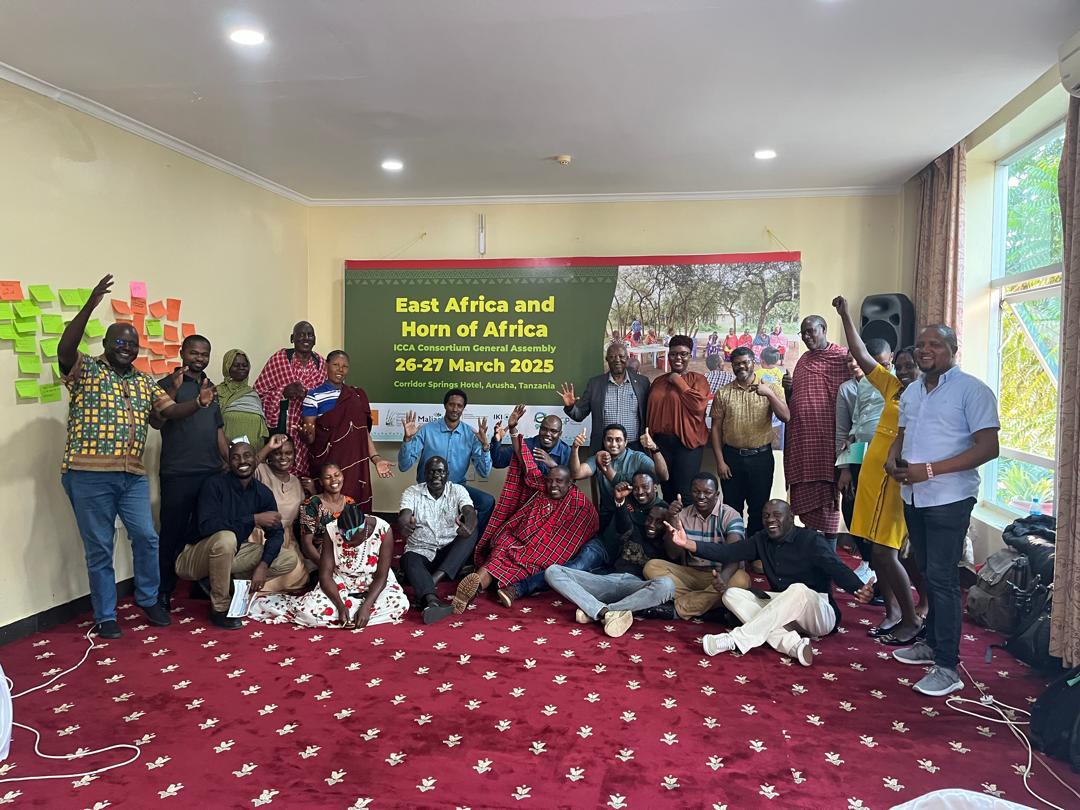
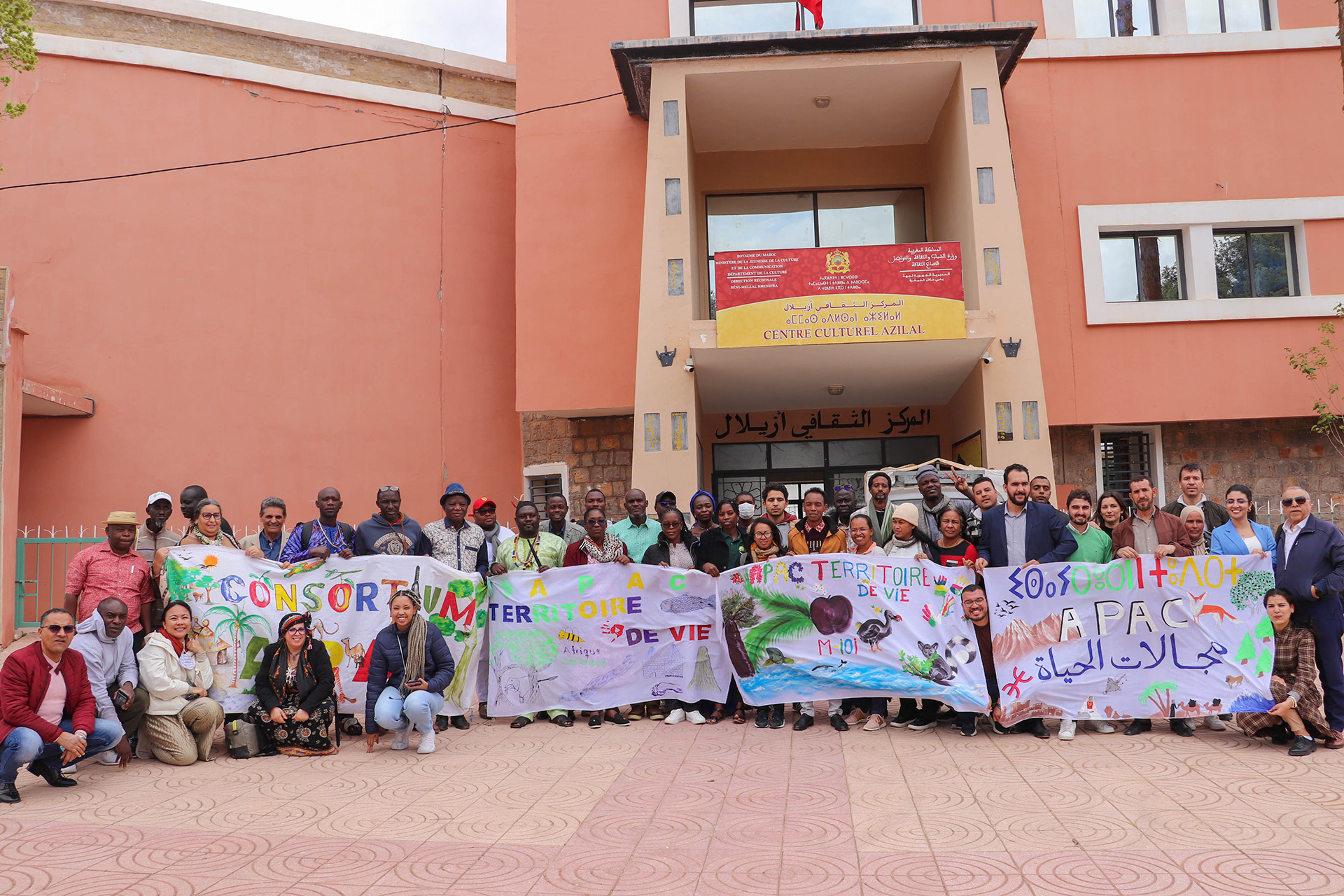
In 2025, the movement across Africa focused on turning high-level environmental promises into practical rights. Regional networks helped move conservation away from top-down, state-controlled models toward governance led by communities themselves. This work resulted in legal gains, such as the return of national parks to Maasai custodianship in Kenya, the securing of collective land titles on Sakatia Island in Madagascar, and the formal recognition of ancestral fishing rules in West Africa.
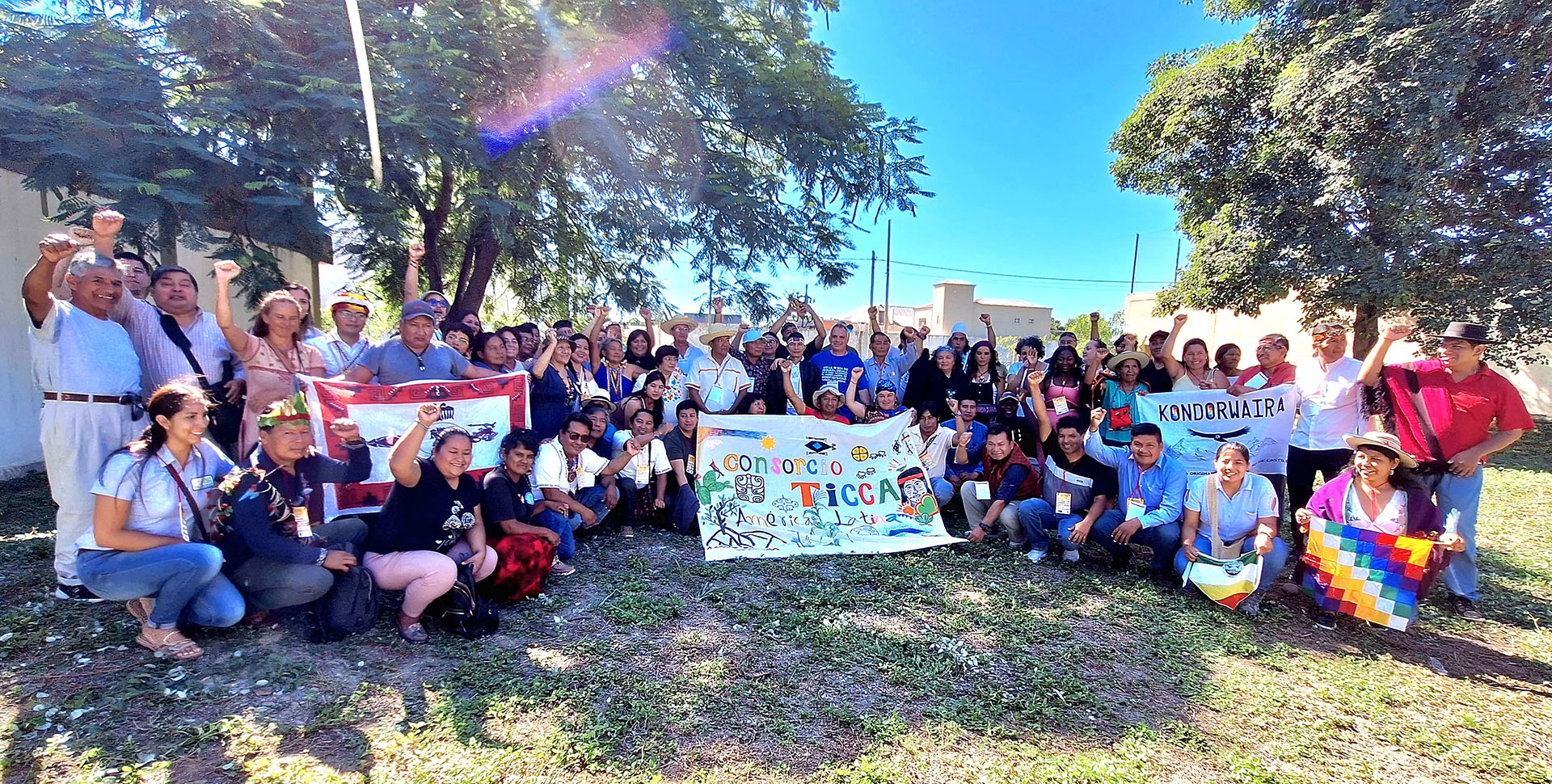
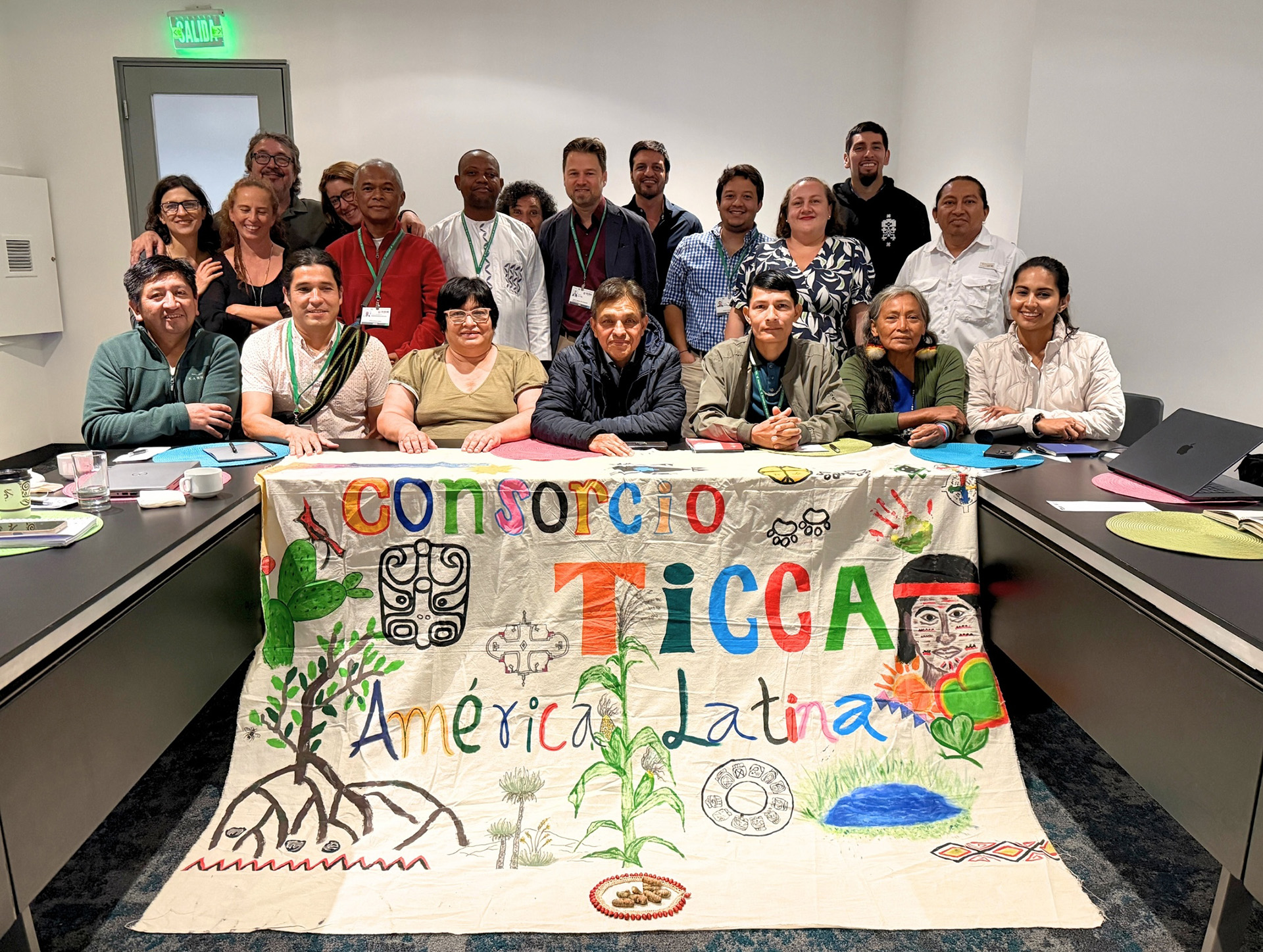
Regional teams and member organizations across Latin America focused on the practical defense of territories and the self-governance of Indigenous Peoples and Local Communities. From the Southern Cone to Mesoamerica, these efforts addressed restrictive laws and environmental pressures through improved internal organization and legal documentation. In Argentina, community networks maintained governance over 3.5 million hectares involving 65 communities across eight provinces; Paraguay’s FAPI strengthened the legal and institutional standing of 13 Indigenous organizations; and the Chilean network advanced ICCA registries for the Puelo and Chango communities.
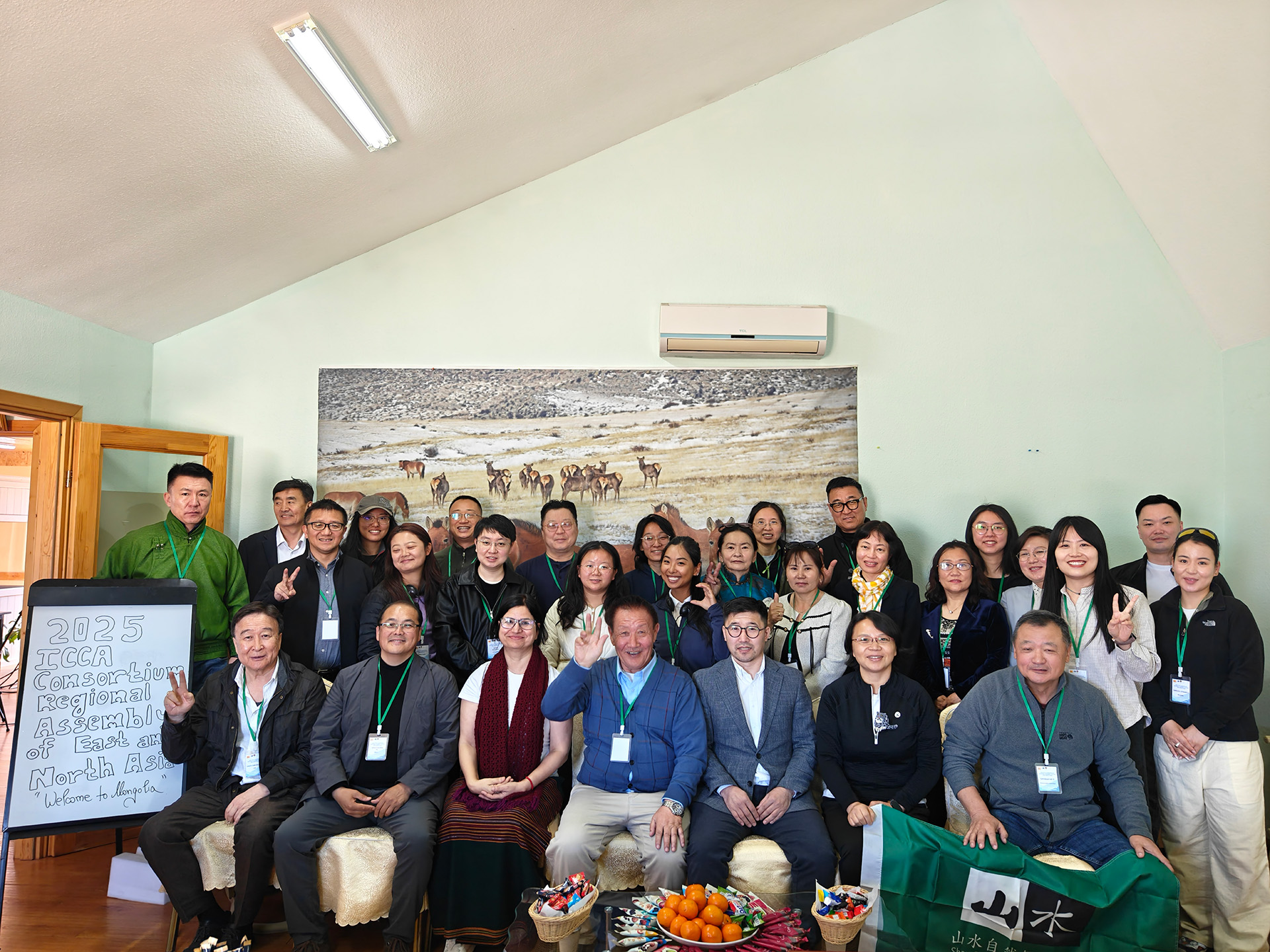
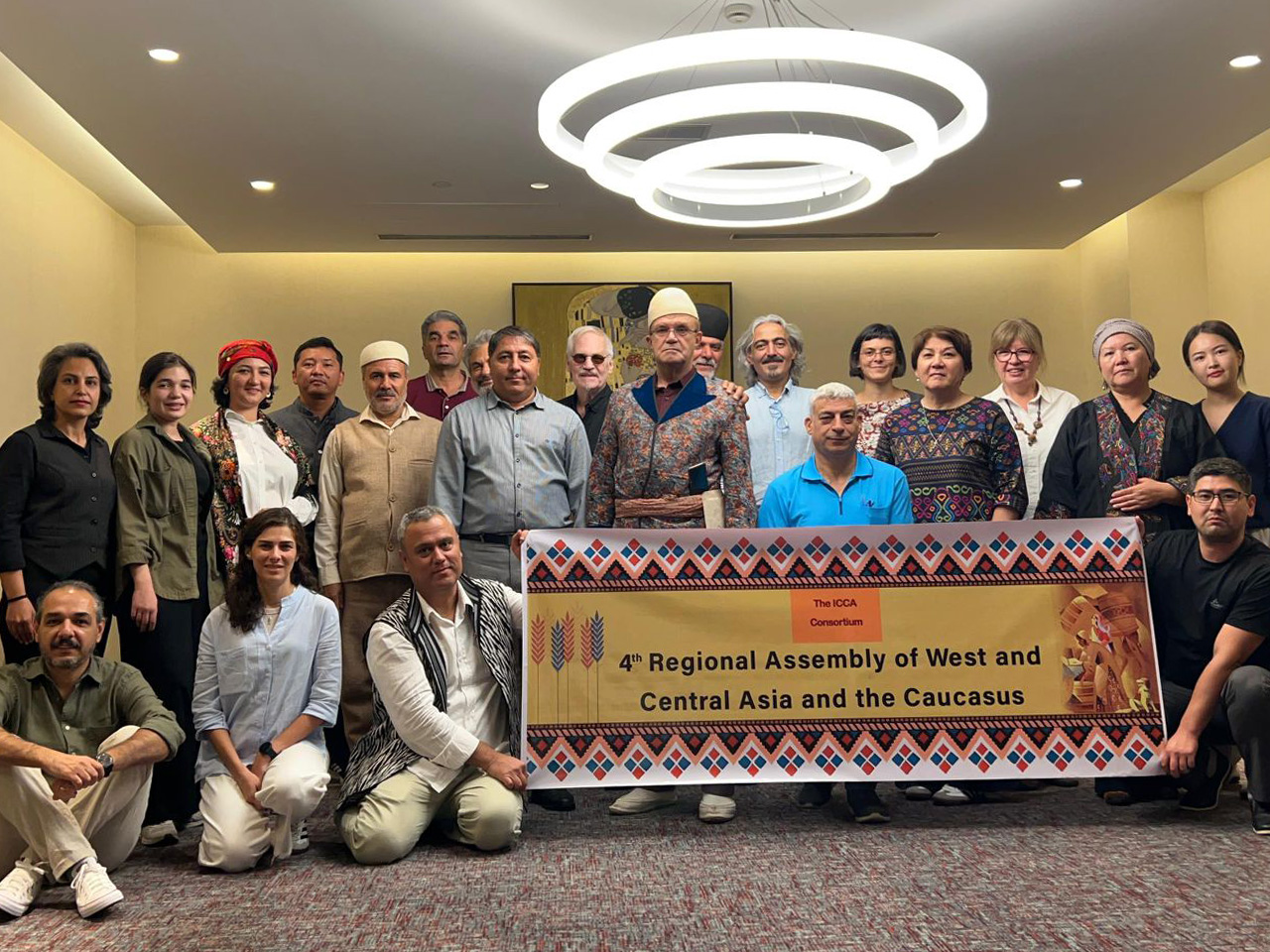
The Consortium’s work across Asia led to concrete policy changes, more consolidated sub-regional organizations, and improved community-led documentation of territories. East Asian community-led conservation data is now included in the global “30×30” targets. The Philippine Indigenous Peoples Biodiversity Strategy and Action Plan has become an implementation-ready framework. In Nagaland in India and the Tibetan Plateau in China, communities are no longer just assisting outside scientists but are being recognized as the primary collectors of ecological data and the architects of statewide policy. The West and Central Asia and the Caucasus region focused on maintaining unity across 11 countries despite significant financial constraints, internet shutdowns, and regional conflicts.
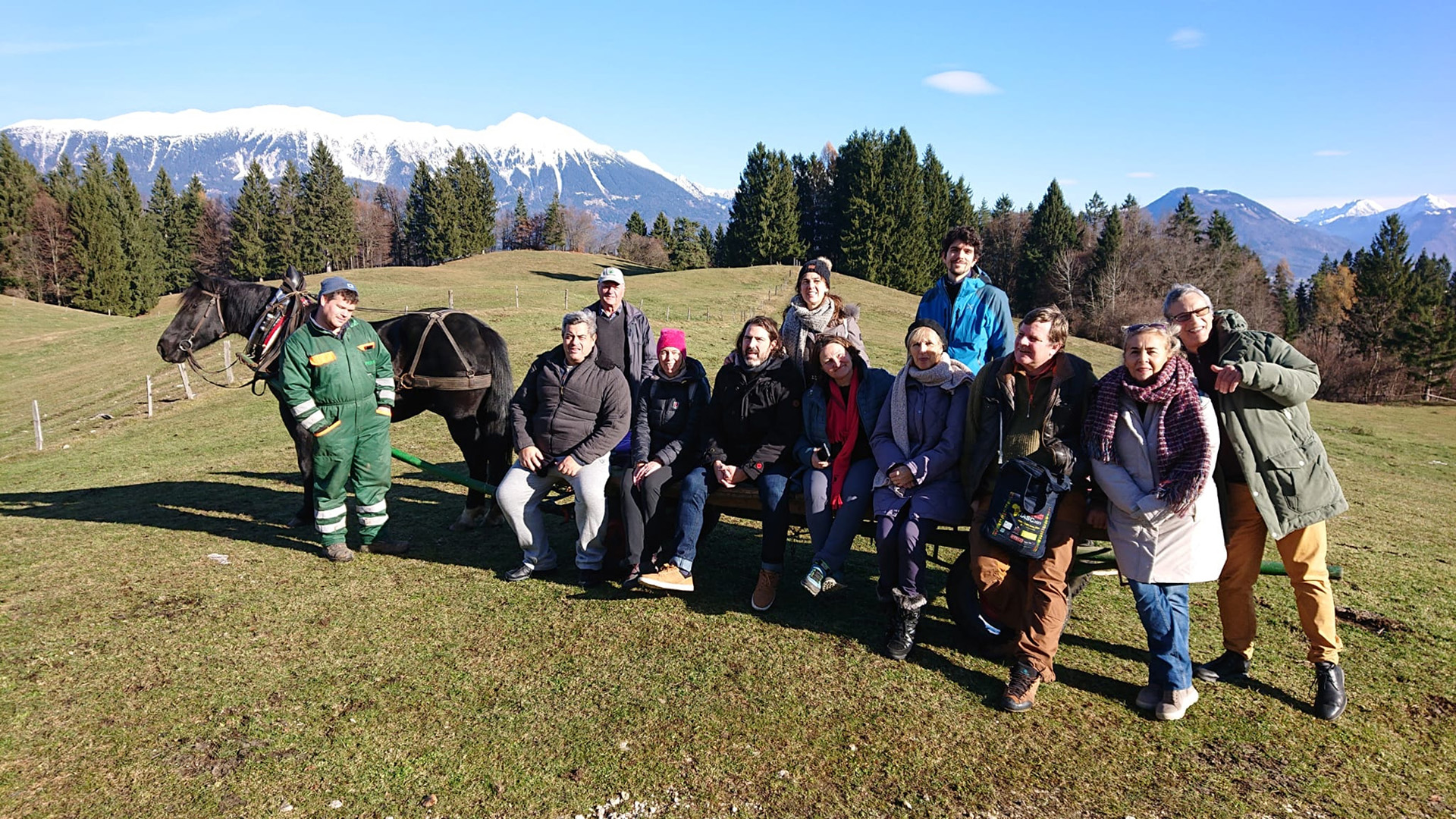
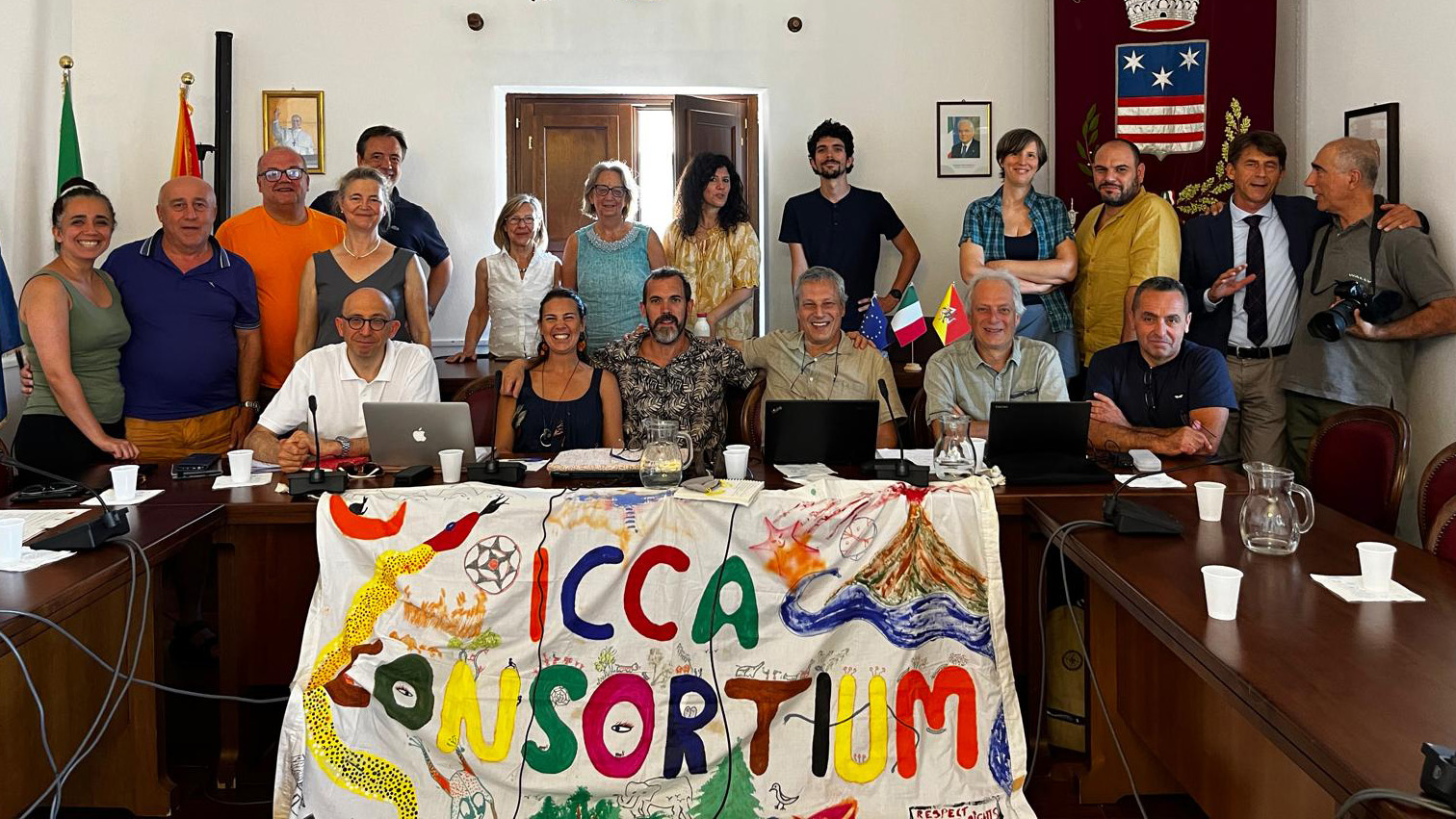
In Europe, efforts centered on strengthening internal governance, improving member coordination, and developing a comprehensive 2026–2028 Strategy and Action Plan to align regional objectives with global goals. The European Coordination Team institutionalized routine governance practices, overhauled membership databases, and expanded outreach to regional allies. Alongside this strategic backbone-building, the Consortium supported key national processes, facilitating the legal establishment of the Italian Network for Territories of Life and cross-regional knowledge exchanges with Spain regarding peer-review systems for ICCAs–territories of life. The year culminated in the fourth ICCA European Assembly in Slovenia, which not only solidified the region’s strategic roadmap but also catalyzed new partnerships, such as prospective collaboration with the Slovenian Association of Commons.
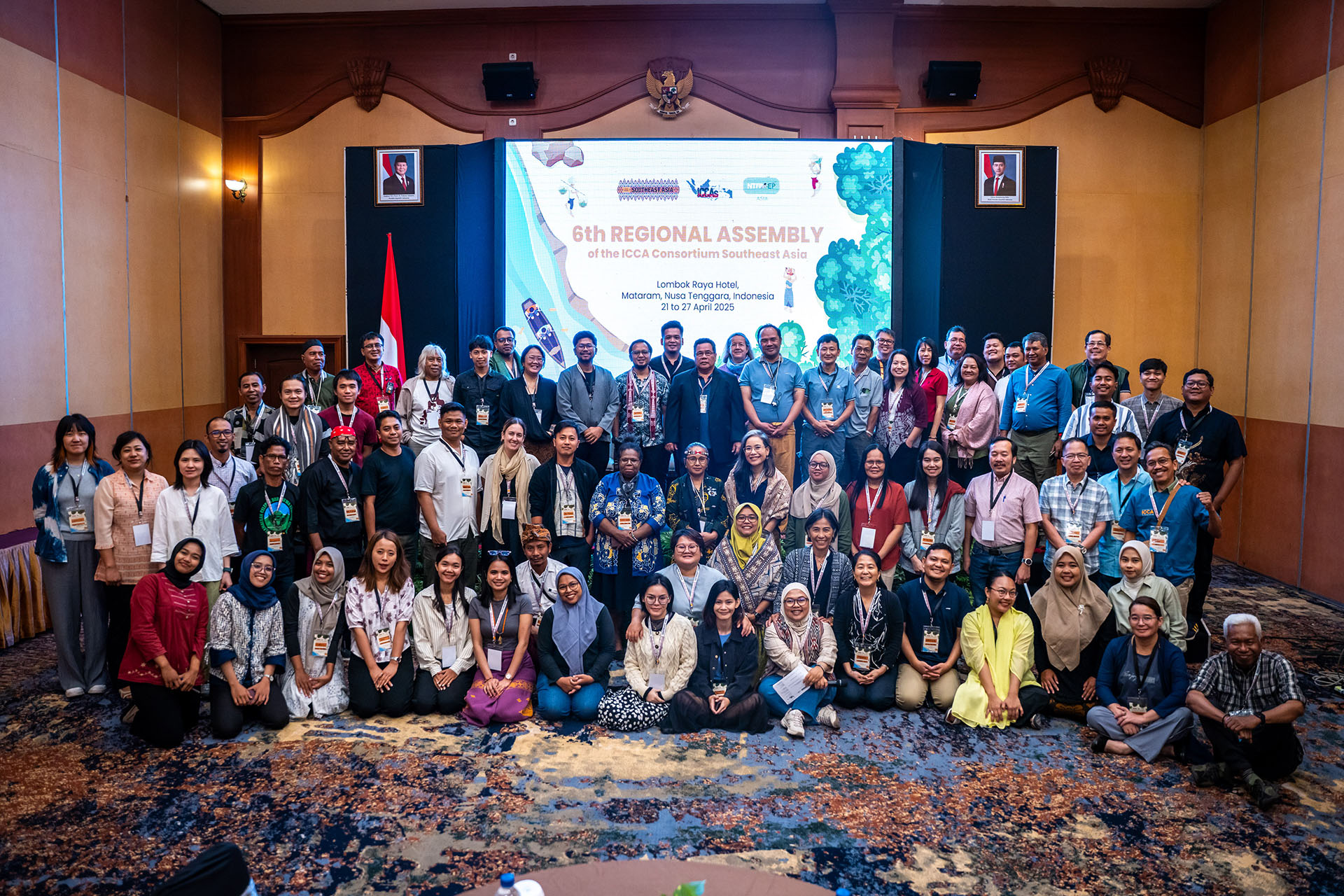
The ICCA Consortium’s regionalization process continued to be central to this work. Regional coordination teams, councils, members, honorary members, and allies played a vital role in connecting local priorities with national, regional, and global opportunities. Their work helped ensure that support remained grounded in the self-determined priorities of custodians, rather than imposed through a single centralized model.
Actions, Achievements, and Challenges in 2025
The 2024–2028 Strategic Plan provides the ICCA Consortium with a shared direction rooted in four goals: supporting self-strengthening, advancing recognition and rights, influencing external actors, and strengthening the organization itself. In 2025, these goals were translated into concrete work across territories, regions, global policy spaces, communications, partnerships, and internal systems. At the same time, 2025 also showed the limits of the Consortium’s current capacity. Growing expectations, financial uncertainty, uneven documentation systems, language justice needs, administrative pressure, and risks of burnout affected the pace and depth of the work.
Goal 1
aims to uphold the self-determined priorities and self-strengthening processes of Indigenous Peoples and Local Communities for the well-being of territories of life.
In 2025, this remained the strongest and most visible area of the Consortium’s work, especially where regional coordination supported communities to organize, document, deliberate, and act on their own priorities. The Consortium made strong progress in strengthening movement infrastructure and regionally adapted support. Despite this, support for self-strengthening remained uneven. Some regions had more established coordination structures, stronger facilitation capacity, or better access to resources, while others had to work with limited budgets, political restrictions, linguistic barriers, or fragile institutional arrangements.
Goal 2
aims to advance appropriate recognition of territories of life and the respect, protection, and fulfillment of their custodians’ rights.
In 2025, the Consortium’s work on recognition included community-controlled documentation, petitions, registry-related coordination, legal and policy advocacy, safeguards, FPIC, the rights of environmental human rights defenders, and clearer public narratives around territories of life. However, recognition remains one of the most complex areas of work. Legal and political pathways vary significantly across countries, and formal recognition can take years.
Goal 3
aims to influence external actors and their practices so they provide appropriate support for the self-determined priorities of territories of life and their custodians.
In 2025, the Consortium’s influence work was visible in major policy arenas and in the strengthening of alliance-based advocacy, which increased the reach of the Consortium’s messages while helping keep community priorities visible in global spaces. A key challenge here is that influence is difficult to measure—participation in a policy space does not automatically mean influence.
Goal 4
aims to strengthen the Consortium’s internal health, solidarity, systems, governance, and sustainability so it can serve territories of life with integrity.
In 2025, the Consortium made important progress in backbone-building. Coordination routines improved, organizational learning became more explicit, and regionalization moved from a principle toward a more operational model. The Consortium’s work has grown in scale, complexity, and visibility, but some internal systems remain in need of improvement. The risk of burnout also became a major organizational concern with high workload and limited staff capacity, while financial sustainability also remained a central challenge.
Lessons and Outlook
The main lesson from 2025 is that the Consortium’s impact lies within the dynamics of interrelated organizing by communities, policy interventions, and advocacy at different levels. Regional assemblies, documentation work, global advocacy, communications, and organizational systems each depend on the others, and none works in isolation. In that sense, 2025 is best understood as a year of implementation, consolidation, and strategic learning, which helped clarify both how far the movement has come and what it will take to sustain it. The Consortium advanced significantly in regionalization, policy influence, rights-based conservation narratives, and organizational backbone-building. However, it also faced real challenges: financial uncertainty, operational intensity, uneven documentation systems, and limited capacity for planning, monitoring, evaluation, and learning.
The direction for 2026 is clear: deepen regional support, strengthen recognition pathways, convert global positioning into national and regional leverage, improve documentation and learning systems, resource language justice and communications properly, strengthen financial transparency, and align ambition with organizational care and sustainability. The Consortium’s strength remains its ability to connect territories, regions, and global spaces through solidarity and shared purpose. Sustaining that strength will require not only more action but also better systems, clearer priorities, and deeper care for the people and communities carrying this work forward.