Categories Asia, Events, Events organised or co-organised by the consortium, Multimedia, Photo stories, Regional Assemblies, Vietnam

In Photos: 7th ICCA Consortium Southeast Asia Regional Assembly Convenes in Vân Hồ, Vietnam

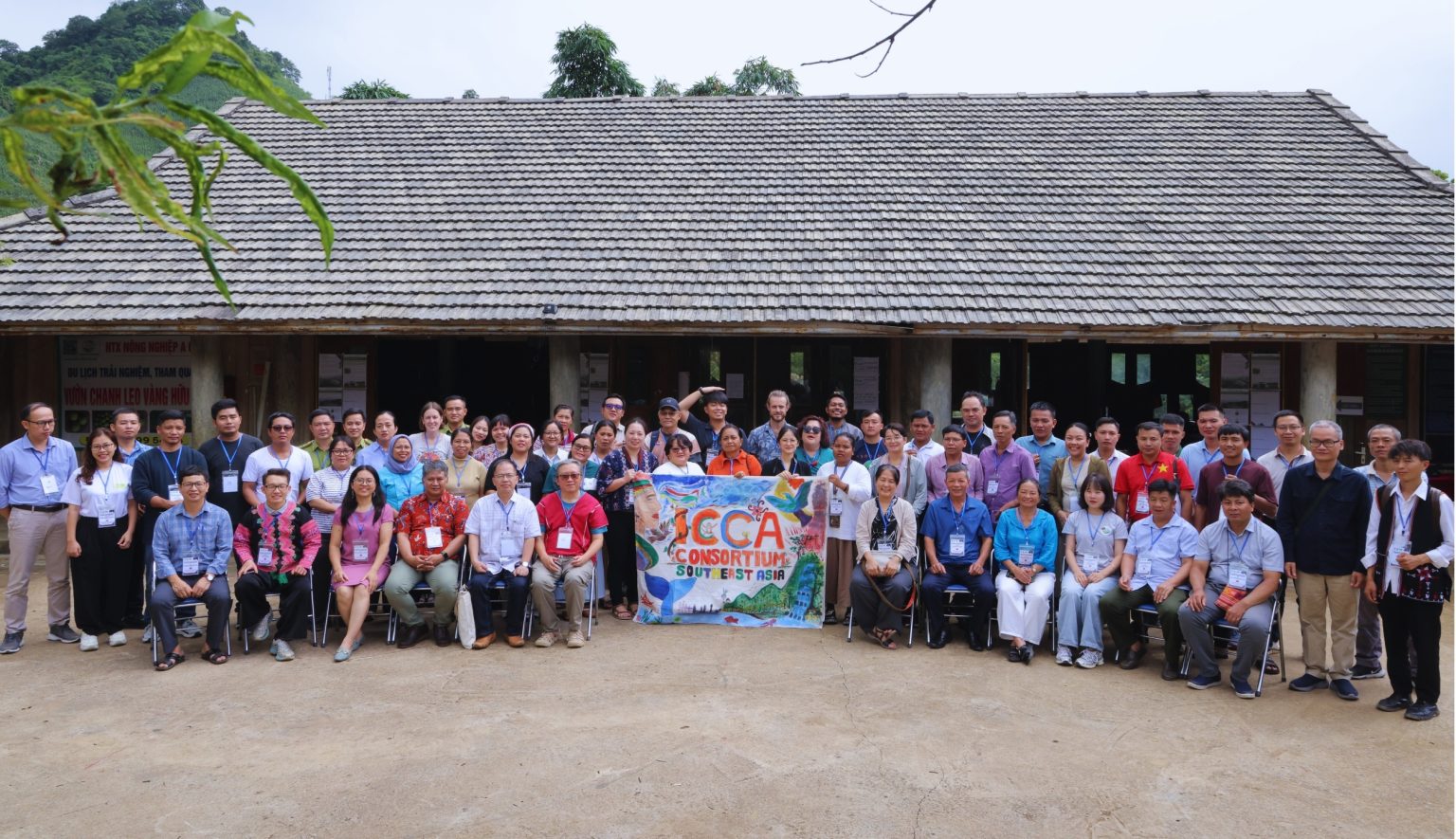
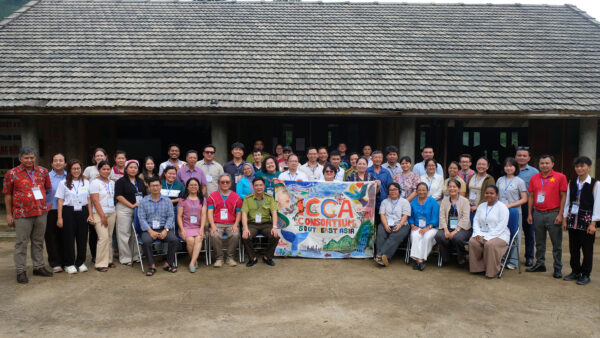
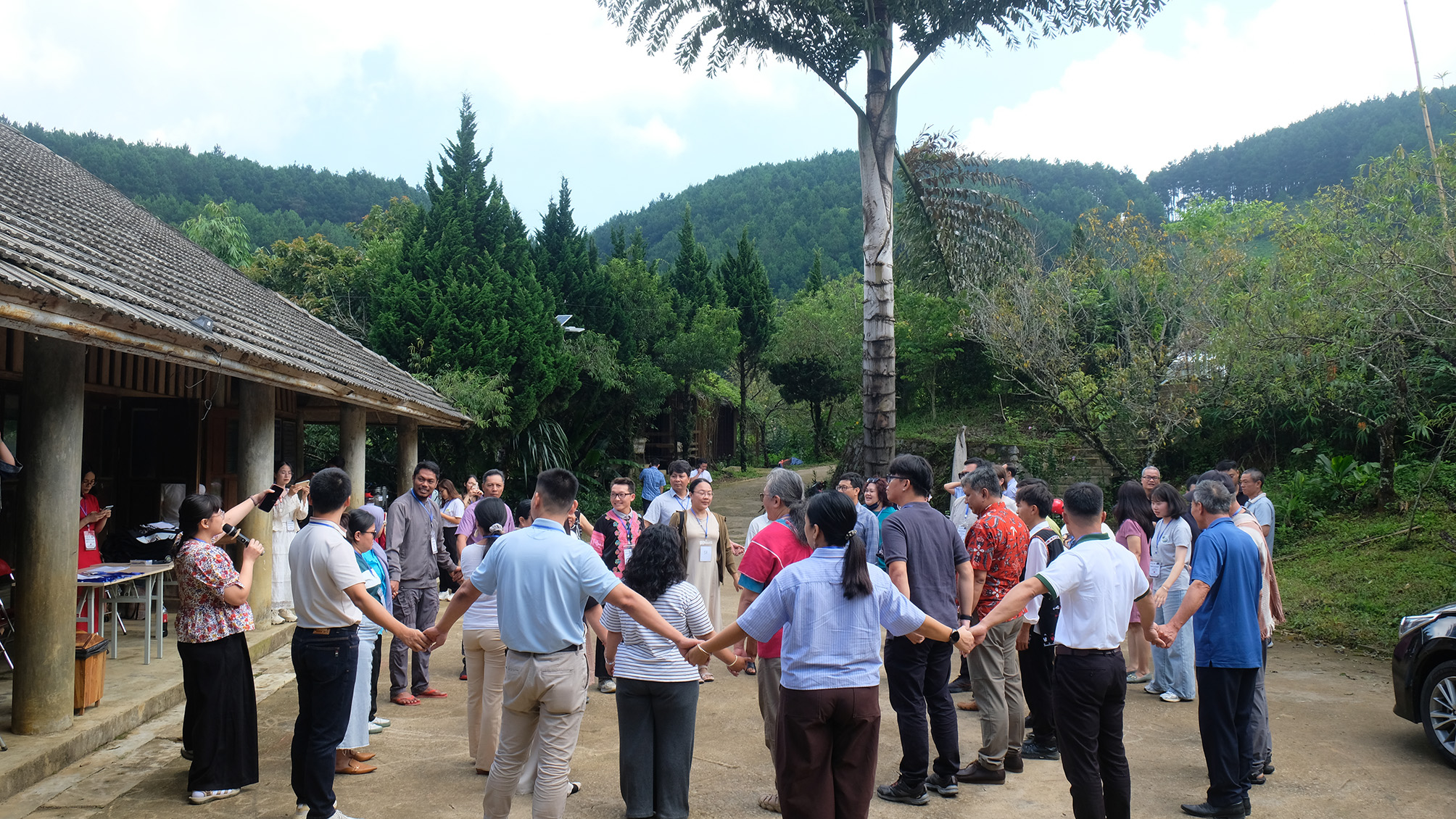
From July 14 to 17, 2026, PanNature and the ICCA Consortium Southeast Asia co-hosted the 7th ICCA Consortium Southeast Asia Regional Assembly in Vân Hồ Commune, Sơn La Province, Vietnam
First published on 08/24/2026

Photos by PanNature


The meeting’s theme, “Strengthening territories of life through solidarity, recognition, and community-led action,” focused on exchanging knowledge and identifying shared goals for ICCAs–territories of life in the region.
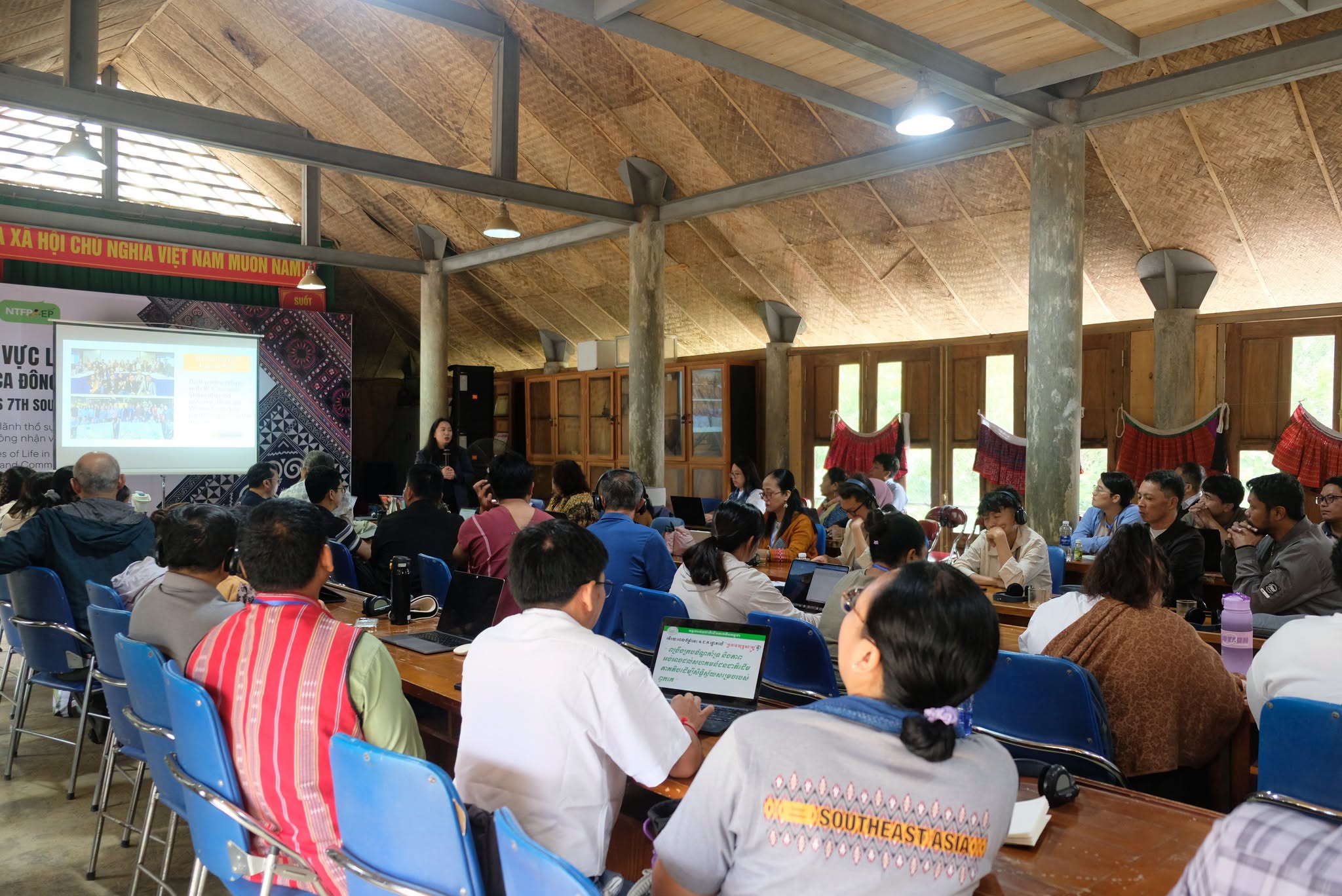
Participants discussed regional management of the network, direct biodiversity finance, national policy gaps, and priorities for the UNCCD COP17. The assembly marked the 15th anniversary of the global ICCA Consortium and inducted the new Regional Council for 2026 to 2029.
Members shared regional progress and challenges in sustaining ICCAs–territories of life. Topics included resource mobilization, advocacy, and inclusivity – helping to identify opportunities for stronger regional collaboration.
Participants trekked through the forests of Vân Hồ, home to the endangered Northern White-cheeked Gibbon, which PanNature and local conservation groups are working to protect.
A “Sharing Lessons from Vietnam” session followed the trek. Local leaders presented practical examples of applying Indigenous knowledge to natural resource conservation, community-based tourism, sustainable livelihoods, and women’s roles in building community resilience.
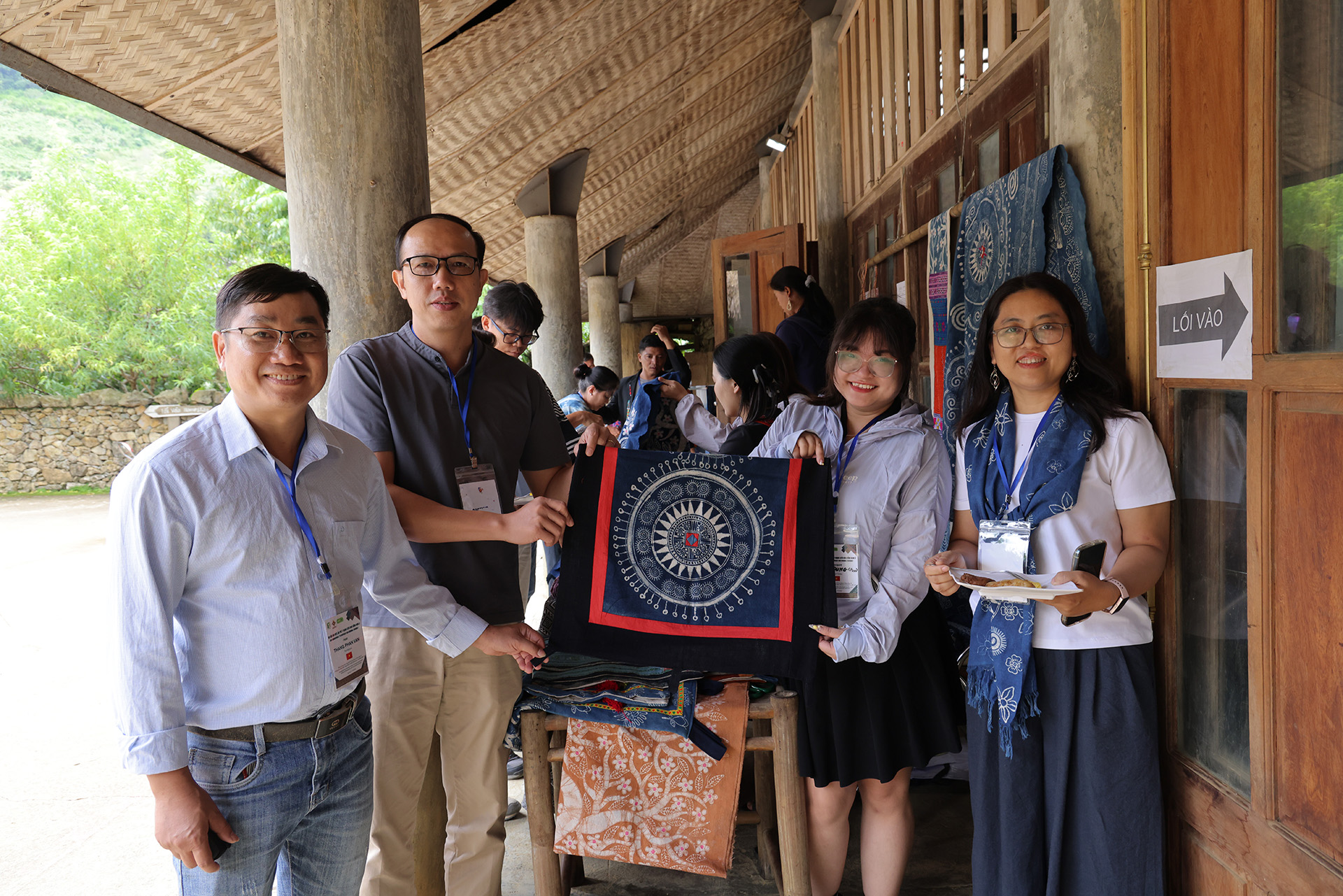
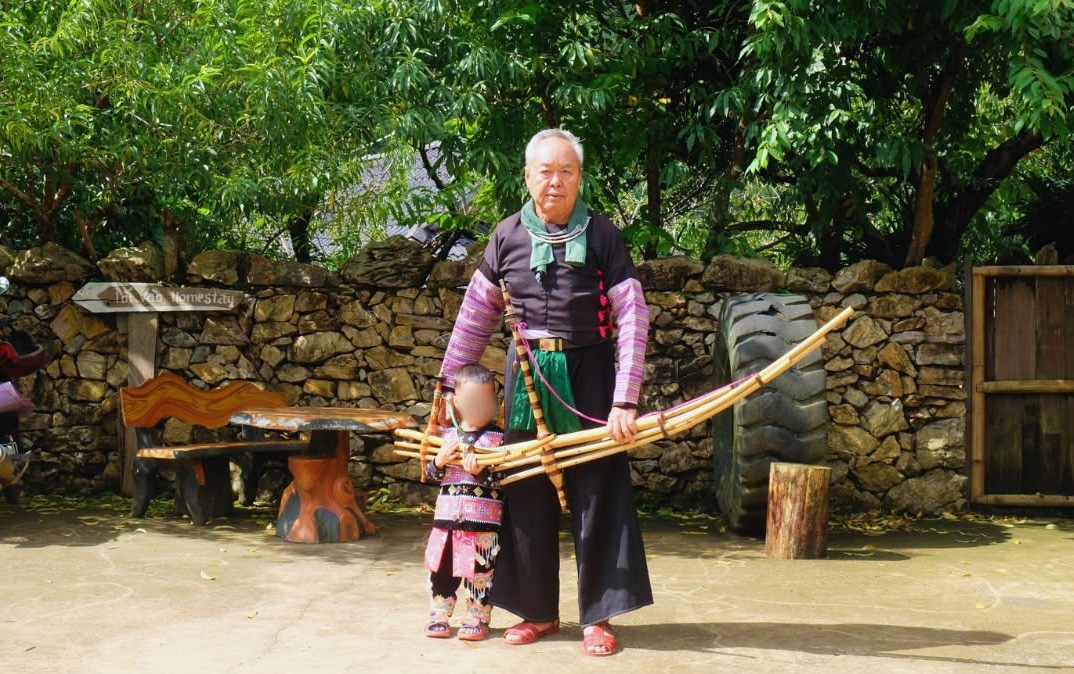
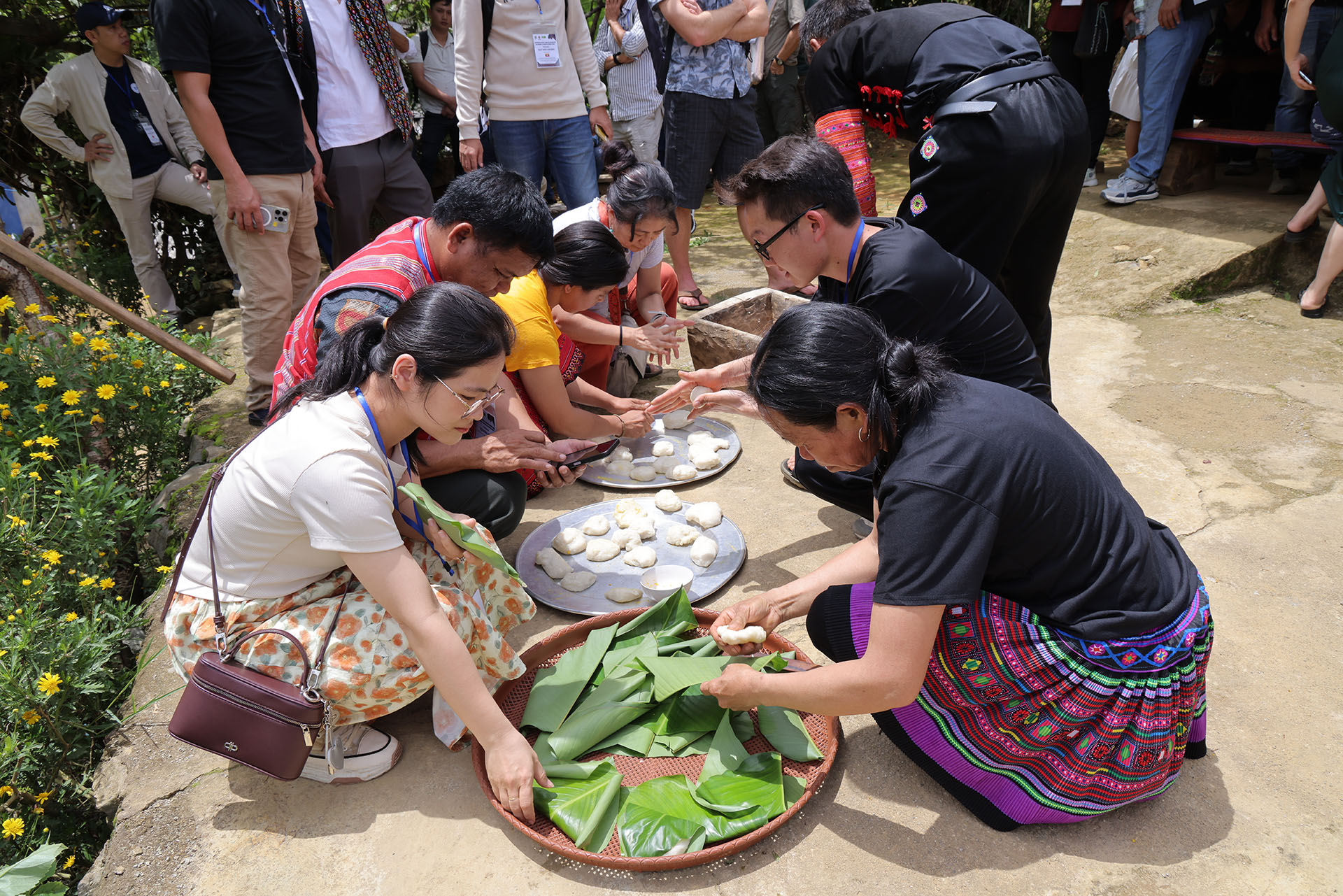
Attendees explored Vân Hồ’s local culture and traditions. Hands-on activities, such as making traditional Hmong beeswax paintings and bánh dày (rice cakes), highlighted the close relationship between culture, community, and conservation.

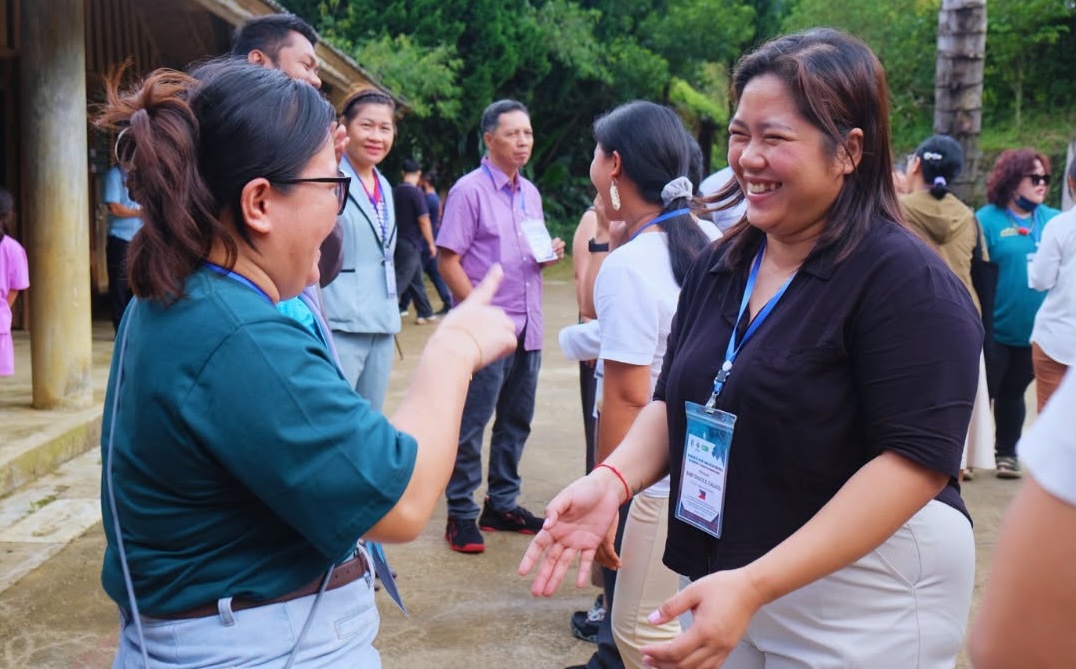
Meetings like the ICCA Consortium Southeast Asia Regional Assembly provide a vital platform for Indigenous Peoples, Local Communities, and organizations to share knowledge and plan important work. By connecting and collaborating, participants develop new approaches to community-led conservation, continuing to shape future efforts across Southeast Asia.