Indigenous Adivasi communities in India’s Bastar region are facing continued violence, militarization, incarceration, and dispossession, as extractive mining expands into their territories
First published on 11/18/2026
ICCA Consortium
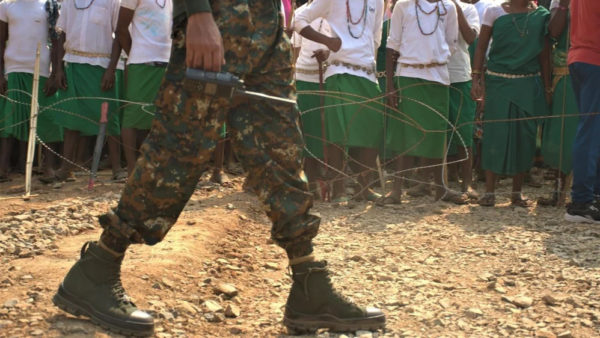
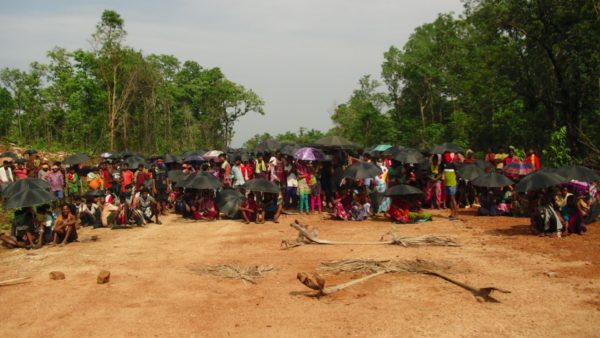
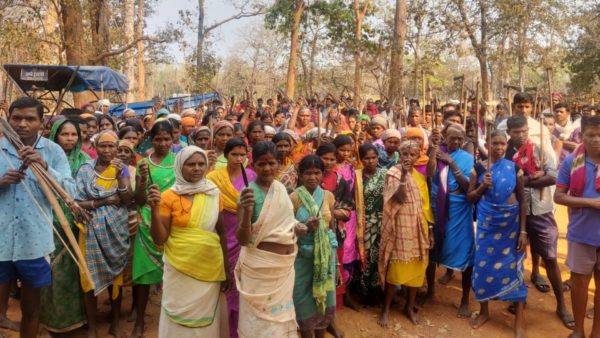
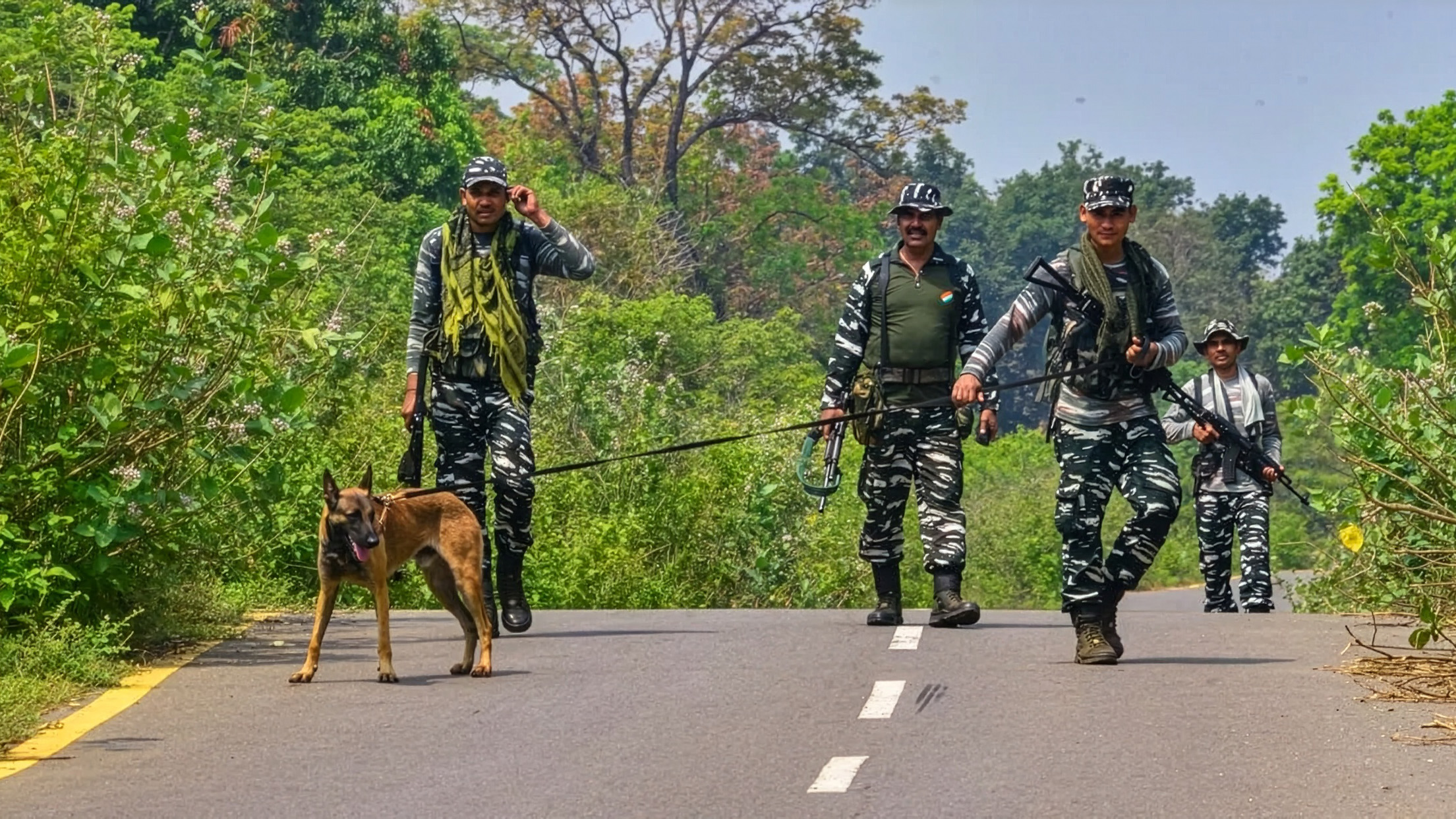
In India’s Bastar region, in southern Chhattisgarh state, Indigenous Adivasi communities continue to face militarization, escalating violence, and mass incarceration, alongside the expansion of mining and other extractive industrial projects in their territories. Bastar is home to 2.7 million people, two-thirds of whom are Adivasi, who have sustained forest territories for generations, through farming, hunting, gathering produce, and making medicine from forest resources. The region’s ecological and mineral wealth have brought it under extreme threat from extractive industry, and a longstanding insurgency movement has brought intensifying violence by government-sponsored militarization, as communities resist dispossession, eviction, and extrajudicial killings.
By April 2026, more than 700 people had been killed across Adivasi regions, with more than 500 of those killings in Bastar alone. Activists have faced mass arrests, harassment, and intimidation, and nearly 4,000 Adivasis remain incarcerated – many under fabricated weapons possession charges for carrying traditional bows and arrows or an axe while in the forest. In September 2026, a Special Court sentenced 10 Adivasis in Bastar to death, after spending 13 years in prison after being accused of belonging to the Maoist insurgent group responsible for an attack on a group of politicians in 2013. Families and civil society groups are currently campaigning for the “Jhiramghati 10,” as the prisoners are known, to be released and the death sentence lifted.
The ongoing crisis facing Adivasi communities in Bastar is largely invisible to the international community. Civil society partners like InSAF India and the Indian Alliance Paris are currently collecting messages of support and solidarity for Adivasi human rights defenders currently in prison. Additional ways to support Adivasi communities are to hold companies engaged in extractive activities and their investors accountable, to demand accountability by calling for independent investigations into killings and detentions in Adivasi territories, to bring Adivasi voices into education and youth spaces, and to connect these struggles with other Indigenous movements defending their lands and rights. You can read more about the ongoing crisis and ways to support communities here.