Statement by the ICCA Consortium at the 17th meeting of the Conference of the Parties (COP17) to the Convention on Biological Diversity (CBD) in Yerevan, Armenia.
First published on 10/17/2026
By ICCA Consortium
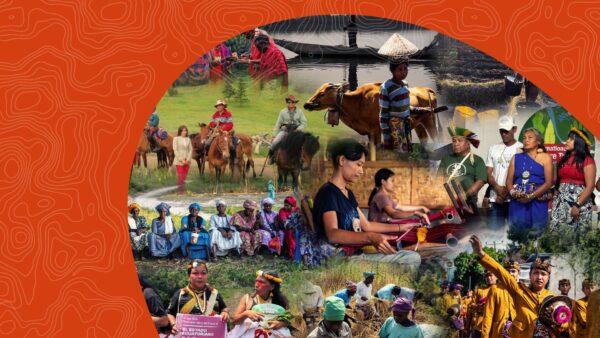
Forests are an integral part of many ICCAs–territories of life, sustaining the ecological, cultural, spiritual, and livelihood relationships between Indigenous Peoples and Local Communities and their territories.
Forest loss is therefore not simply the loss of tree cover or carbon stocks. It is the destruction and fragmentation of territories of life, threatening biodiversity, customary governance, traditional knowledge, community livelihoods, and intergenerational relationships with nature.
We welcome the strategic review and update of the Expanded Programme of Work on Forest Biodiversity and urge Parties to strengthen it through five priorities.
First, safeguard forest integrity. Prioritize the protection of primary forests, peatlands, and forests with high ecological integrity. Prevent deforestation and degradation while maintaining ecological connectivity and recognizing the circumstances, needs, rights, and responsibilities of forest-dependent Indigenous Peoples and Local Communities.
Second, recognize the rights and leadership of Indigenous Peoples and Local Communities. ICCAs–territories of life must be recognized as living systems of conservation and customary governance. Secure collective tenure, recognize community knowledge and practices, and ensure full and effective participation in forest planning and management, alongside access to information, justice, and protection for environmental human rights defenders.
Third, address deforestation across sectors and supply chains. Forest protection will remain insufficient while production, investment, and supply chains beyond the forestry sector continue to drive forest destruction. Parties must strengthen transparency and accountability for biodiversity risks across economic activities.
Fourth, ensure that forest finance serves people and nature. Public and private finance, carbon markets, and other market-based instruments must not commodify nature or undermine collective rights. They must respect free, prior, and informed consent, provide effective grievance and redress mechanisms, and prevent land grabbing, exclusion, discrimination, criminalization, and harm to biodiversity.
Fifth, we urge Parties to reject compensatory afforestation as a justification for the destruction of standing natural forests. Parties must urgently prevent the conversion and degradation of natural forests and prioritize their protection and restoration. Plantations cannot replace the biodiversity, ecological functions, and cultural relationships sustained by natural forests, which are vital to the territories, livelihoods, and customary governance of Indigenous Peoples and Local Communities.
The updated Programme must recognize forest integrity, the rights of custodians, and community-led conservation as interconnected priorities. Protecting forests means protecting the territories of life, the custodian people who sustain them, and the relationships that allow both nature and communities to thrive.