Publications

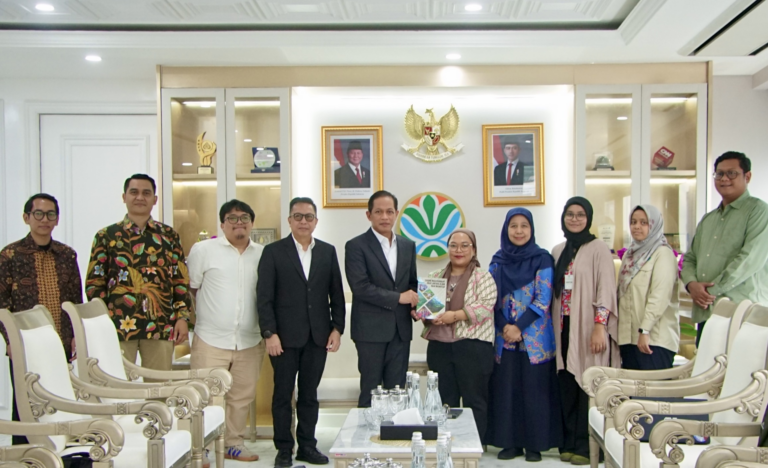
Accompanying and deepening the movement of ICCAs–territories of life in Indonesia

Established to promote recognition and mobilize support for ICCAs–territories of life at the national level, the Working Group ICCAs Indonesia (WGII) has been working closely alongside Indigenous and traditional communities. Having now evolved into a formal, membership-based association, Perkumpulan Gerakan Konservasi Rakyat Nusantara (Association of the Indonesian People’s Conservation Movement), it collaborates closely with the ICCA Custodian Network of Indonesia to advance this shared mission. Read more ▸

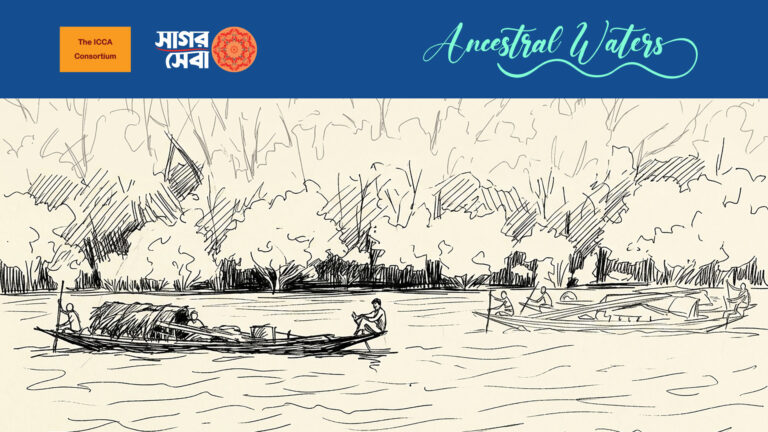
Rights of Artisanal Fishers and Fishworkers in Bangladesh

Bangladesh has a long way to go to uphold human rights and rights of fishers and fishworkers. In Bangladesh, customary tenure rights are not legally recognized; access exists as an “opportunity” or “privilege” for artisanal fishers and fishworkers, not as a protected right. Furthermore, traditional community-led governance and management of fisheries are not legally recognized. Read more ▸

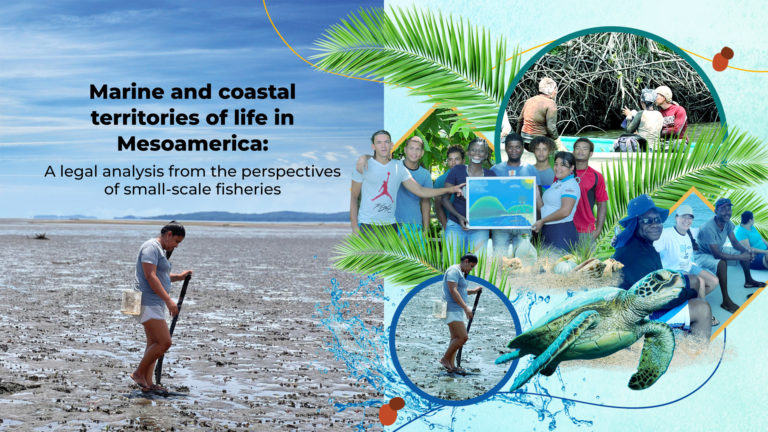
Marine and coastal territories of life in Mesoamerica

Pochet Ballester, G., Acosta, M., & Sánchez Campos, R. (2025). Marine and coastal territories of life in Mesoamerica: A legal analysis from the perspectives of small-scale fisheries (V. Solis Rivera, M. K. Uddin, & C. Jarrett, Eds.; L. Åkerson & D. Campos Rubio, Trans.). ICCA Consortium. https://doi.org/10.70841/my6731g Read more ▸

Book: Fifty Indigenous Leaders’ Voices for Nature and People in Indonesia

The Working Group ICCAs Indonesia (WGII), a member of the ICCA Consortium, recently launched the English version of the 2021 book “Suara Masyarakat Adat untuk Alam dan Manusia.” The collection of interviews in the book demonstrates that customary governance systems effectively protect biodiversity and ecosystem functions in Indigenous territories of life. Read more ▸

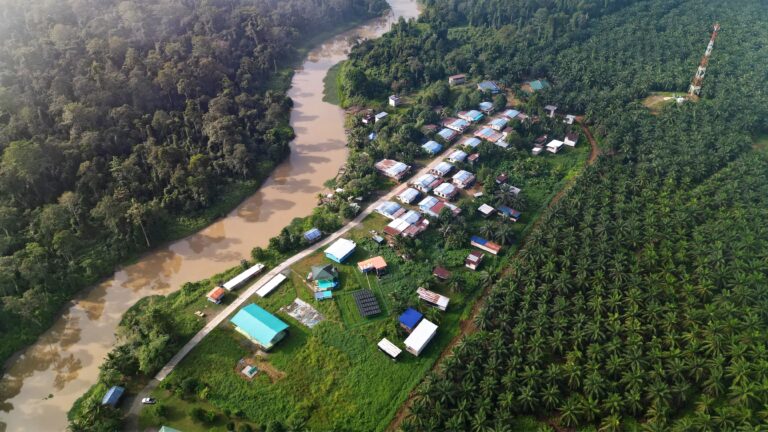
New report on territories of life in Southeast Asia out now

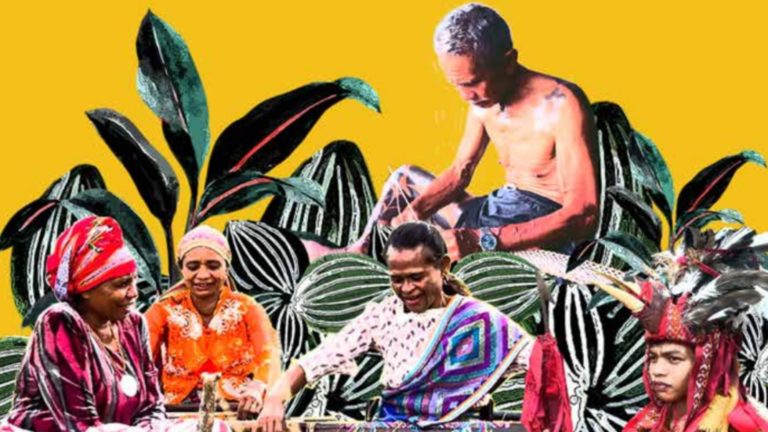
The publication “Celebrating Territories of Life in Southeast Asia” by the ICCA Consortium features stories of Indigenous Peoples’ and local communities’ territories of life. It highlights the region’s traditional knowledge and governance systems and sustainable livelihood practices. Read more ▸