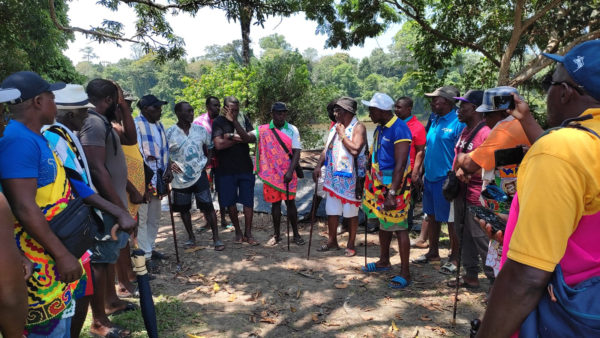
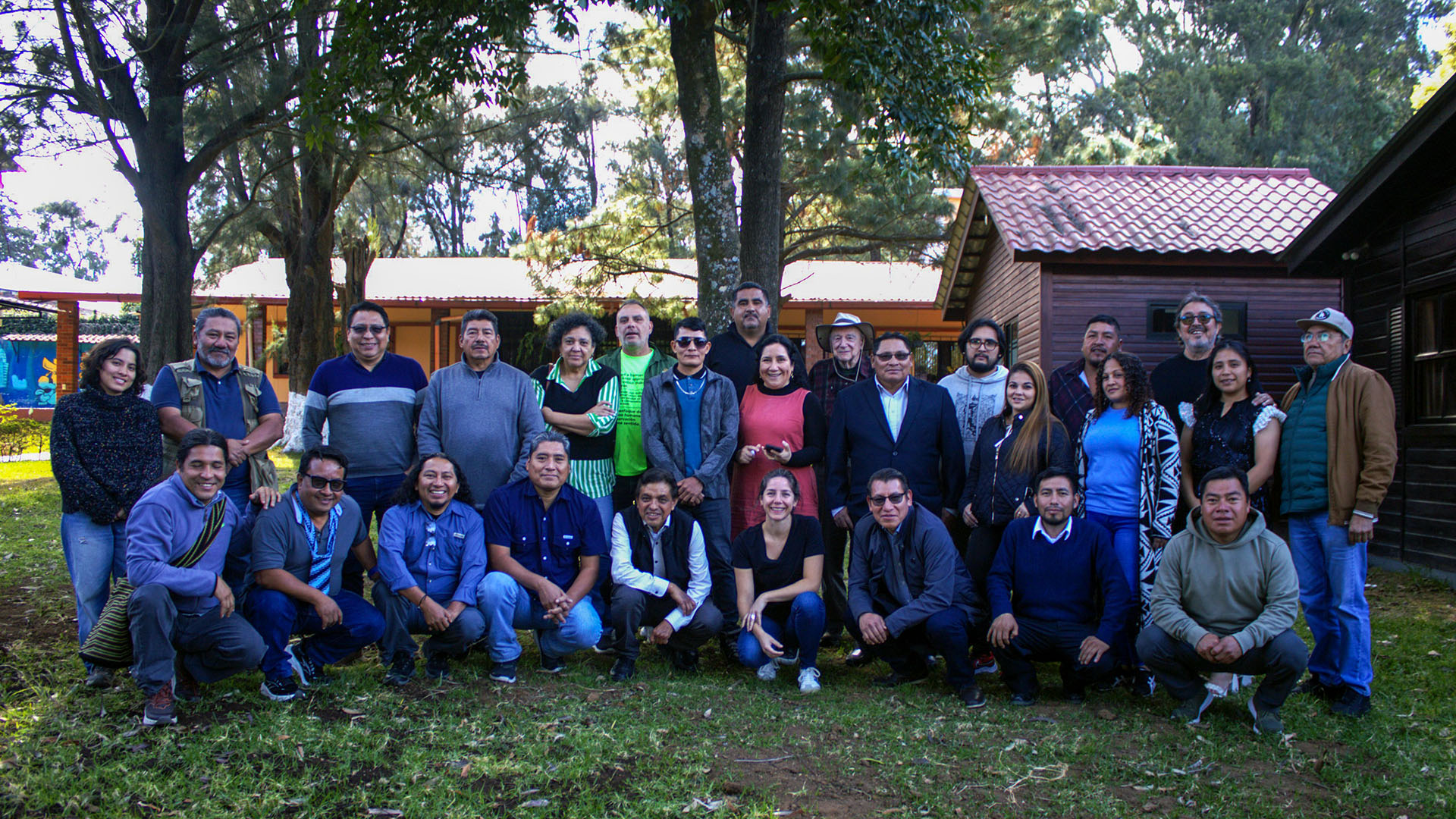
Members, honorary members, and allies from the Mesoamerican subregion gathered in Guatemala City from February 6 to 7 to discuss priorities for 2026. They also analyzed the current situation across Mesoamerican countries and explored potential advocacy actions related to the Kunming-Montreal Global Biodiversity Framework, particularly the recognition of Indigenous and Traditional Territories to help achieve Target 3
First published on 03/31/2026, and last updated on 05/04/2026
By U Yich Lu´um, Mesoamerican Subregion Coordination
The 2nd Assembly of members and honorary members from the Mesoamerican subregion of the ICCA Consortium was held with opening remarks from the Council of the ICCA Latin America Territories of Life Network (ICCA LA Network), representatives of the Mesoamerican subregion, and members of the Global Council.
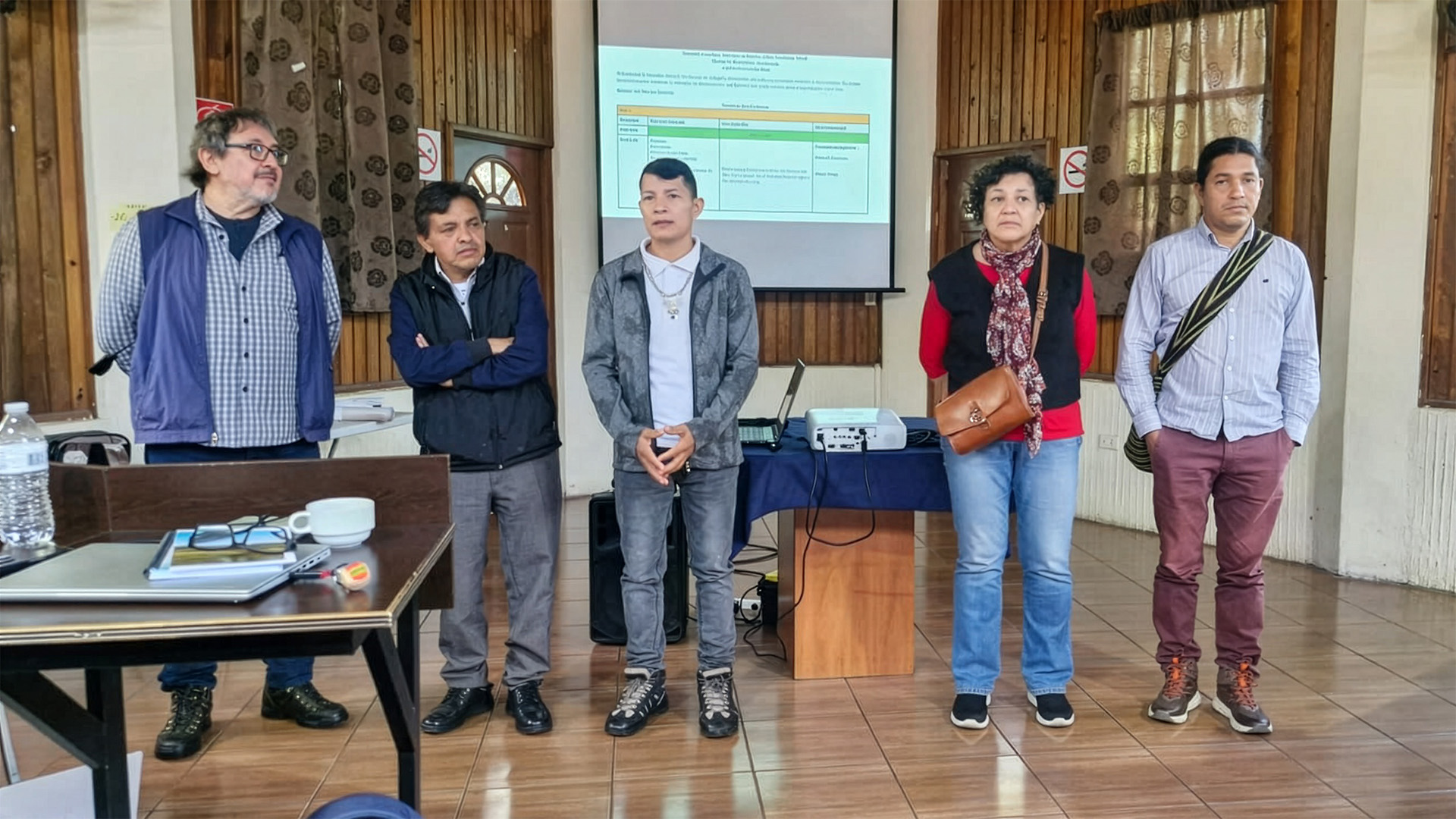
Following the welcome, the meeting began with an introduction to ICCAs-territories of life, and an overview of the Consortium’s work at the global, regional, national, and local levels. This session served as a refresher for all members, including those who have recently joined the network.
Moving on to the agenda, U Yich Lu’um, as the hub organization, presented its management reports. During this segment, members of the subregional council shared the activities they had carried out.
Next, U Yich Lu’um presented a summary of members’ initiatives and processes related to territories of life, along with the current situation and prospects for 2026 in each country.
From El Salvador, participants presented the regional context in Latin America and current policies affecting territories of life in the country. From Costa Rica, two presentations were delivered: the first focused on the Network of Responsible Fisheries Marine Areas and Marine Territories of Life, and the second on Coopesolidar’s initiative to support marine territories of life in Mesoamerica, which is currently being implemented in Panama, Honduras, Costa Rica, and Mexico.
Panama presented the case of Escudo de Veraguas Island, supported by the regional initiative for Mesoamerican marine territories of life. The initiative has faced criminalization due to its small-scale fishing activities, further worsening the already difficult situation of the fishing communities of the Gnöbe-Buglé people. In response to these threats, an extraordinary assembly of the Regional Congress was convened in November of last year, attended by representatives of the Food and Agriculture Organization and the ICCA Consortium under Mesoamerican coordination.
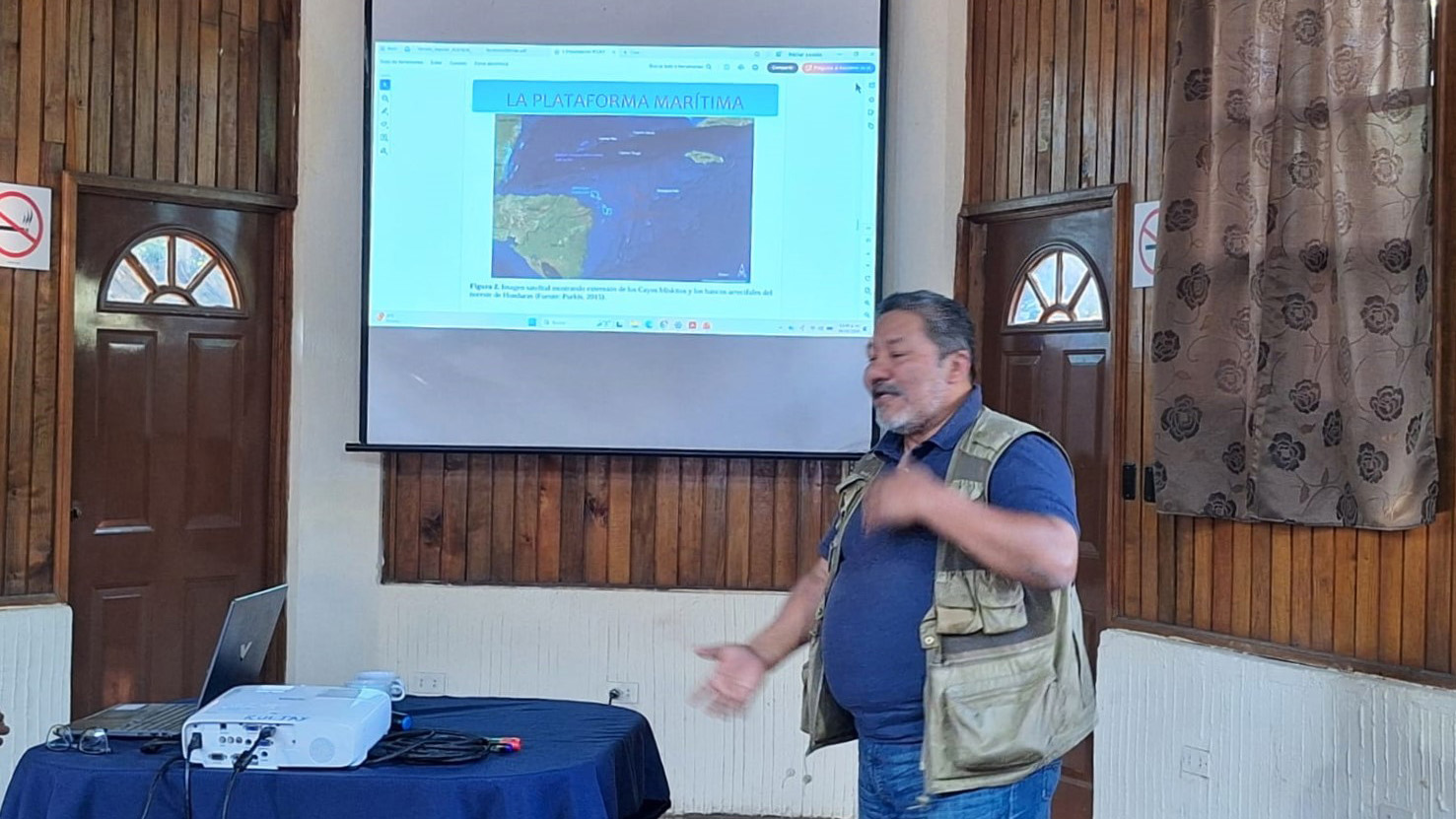
On behalf of Honduras, representatives from the Instituto para el Futuro Común Amerindio (IFCA) described the situation in the Moskitia region, near the Nicaraguan border. Several territories have already been recognized or are in the process of self-recognition as territories of life within a region that includes approximately 1.5 million hectares of titled land. In coastal and marine areas, Indigenous communities fish on cays and banks for several days at a time. They also highlighted the influence of illegal trade and international networks in the territory, as well as the impact of oil industry interests on the legal recognition of Indigenous marine territories. Key priorities identified include strengthening coordination between continental and marine territories, consolidating Indigenous governance, and using the territories of life approach as a policy and legal tool.
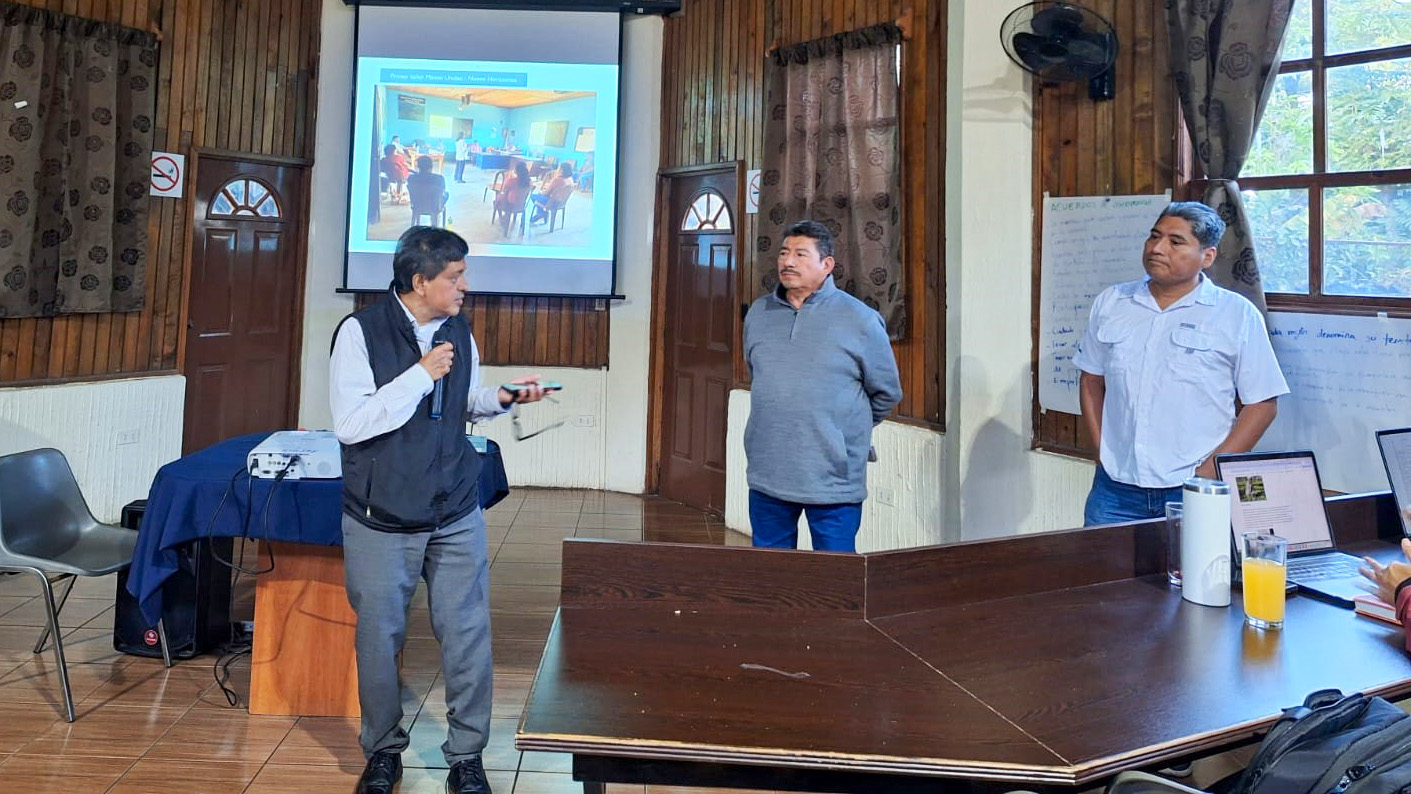
As the host country, Guatemala invited communities that are not yet part of the ICCA Consortium but identify as territories of life, such as the Manos Unidas, Nuevo Horizonte del Petén, and Santa María Ixtahuacán cooperatives. In this context, the host organization, Oxlajuj Ajpop, presented the work of the Guatemala ICCA network alongside these communities. They also noted that the first Mesoamerican meeting was held in Totonicapán, where strengthening territorial action in the western part of the country, particularly in San Marcos, was identified as a priority. They further reported on the reorganization of the network and a proposal to rename it the “Council of Community Territories and Lands” to enhance political clarity in the national context.
Finally, Mexico presented its work. Representatives noted that a formal national network has not yet been established; however, several joint initiatives have been carried out, particularly in the Yucatán Peninsula, with members such as Kanan Derechos Humanos and U Yich Lu’um, as well as honorary members. They also highlighted initiatives in the western region of the country, in collaboration with Nuiwari and other members, including the Red de Patrimonio Biocultural and the San Crisanto ejido.
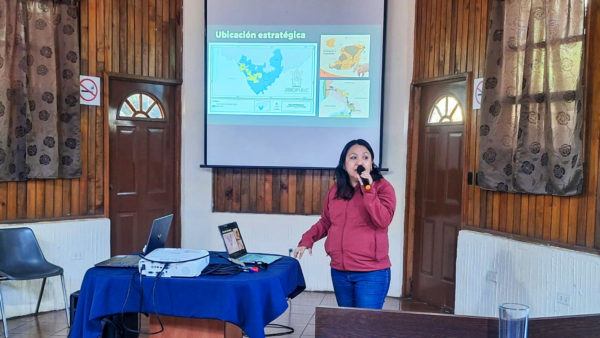
Next, representatives from Jazmín del Coquito, Bocas de Camichín, and San Crisanto, all member territories of life, shared their experiences with self-strengthening processes.
Another key topic discussed on the first day of the assembly, which generated strong interest and participation, was the Kunming-Montreal Global Biodiversity Framework, particularly Target 3, its implementation by states, and the contributions of Indigenous Peoples and Local Communities.
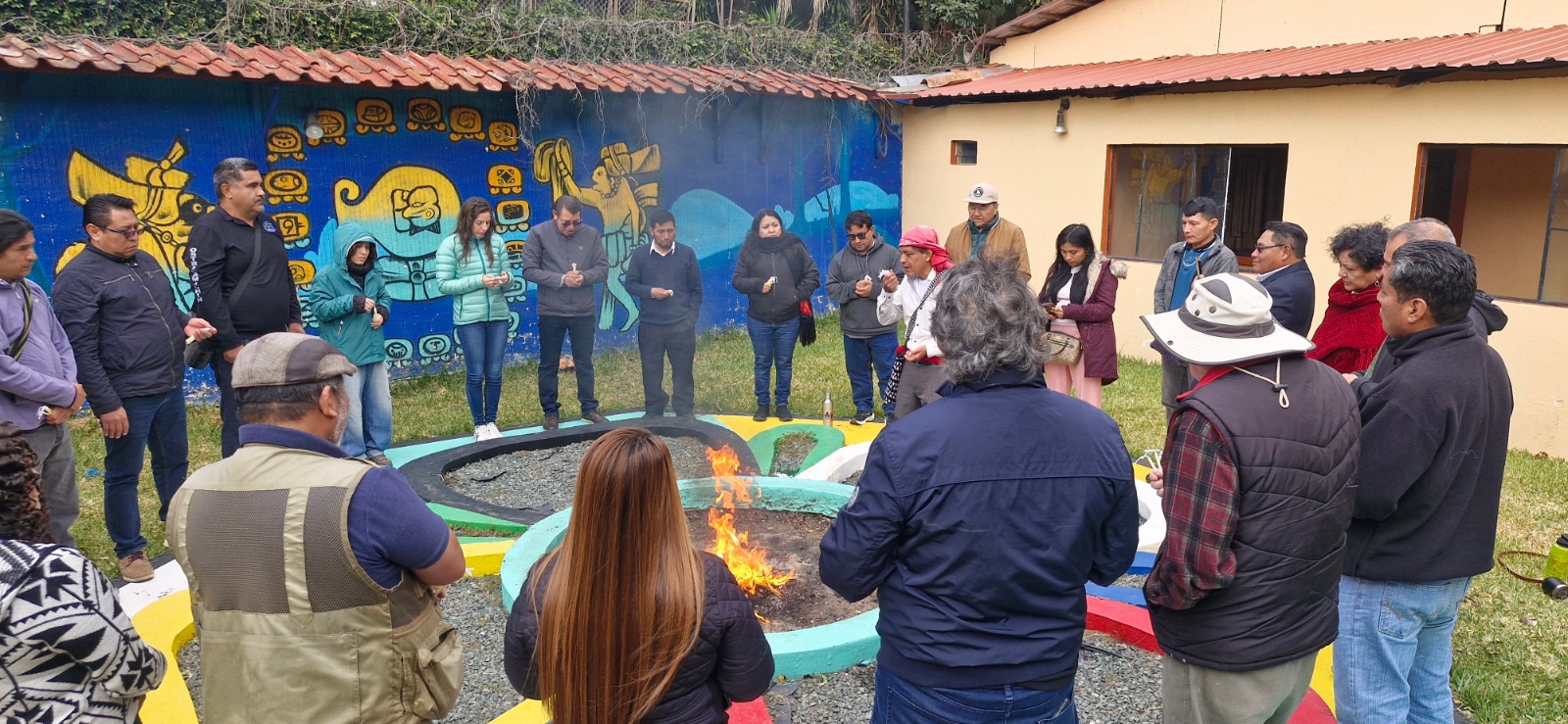
The second and final day began with a ceremony around the sacred fire, led by Felipe Gómez. During the ceremony, it was emphasized the importance of maintaining unity in the face of global and local threats to territories of life.
Next, in line with the agenda, participants addressed planning and proposals for subregional governance. Regarding planning, the Regional Plan for Latin America was presented. Developed by the Regional Council and Secretariat in October 2025, the plan aligns with the ICCA Consortium’s 2024–2028 Strategic Plan. Although it was initially proposed to reestablish the working groups identified at the 3rd Regional Assembly of the ICCA LA Network, held in 2023 in Tárcoles, this has not yet been possible.
On subregional governance, participants proposed and agreed to establish a council composed of two representatives per country, one primary representative and one alternate, to support and guide the work of the subregional secretariat.