Reviving the barter system and empowering Indigenous guardians to defend ancestral territories and water rights
First published on 05/05/2026, and last updated on 05/14/2026
By ICCA Consortium
Throughout 2025, Indigenous Peoples in Argentina faced a coordinated withdrawal of state support. The national government moved forward with cuts to key programs, including territorial and legal surveying under Law 26,160, while prioritizing private property over collective land tenure. In response to this hostile political climate and increasing pressure from extractive industries, Red TICCA Argentina adopted a strategy of consolidation “territory inward”. Rather than waiting for a shift in national policy, the network’s 65 communities focused on strengthening their autonomous self-governance.
The year’s progress nearly came to a halt due to a banking crisis that froze the network’s operating funds for several months. This delay left the coordination team with a significant backlog, ultimately forcing them to carry out six months of planned activities in December 2025.
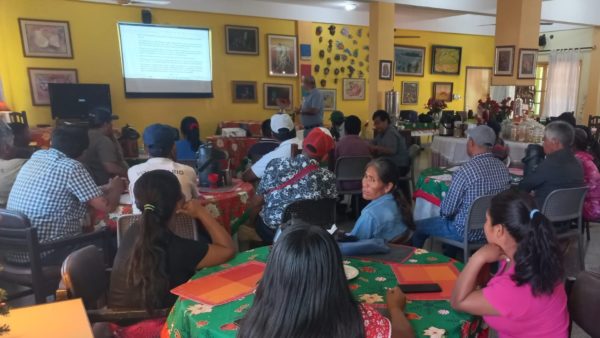
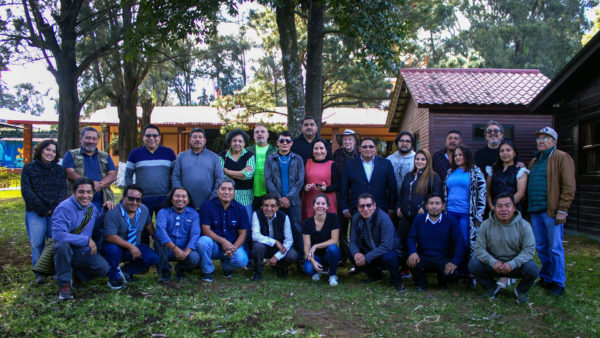
As a result of this concentrated effort, the network held its National Assembly in Santiago del Estero, followed by regional gatherings in Misiones and the Northwest. These meetings led to the formation of a 16-member coordination team that ensures gender equity and representation from the North, Northeast, Central, and South regions, moving the network away from the influence of partisan politics.
A crucial part of this internal transformation has been the strengthening of the Council of Elders and other traditional authorities. By involving elders in day-to-day decision-making, the network has built a governance model that is less vulnerable to external political shifts, which often divide Indigenous organizations.
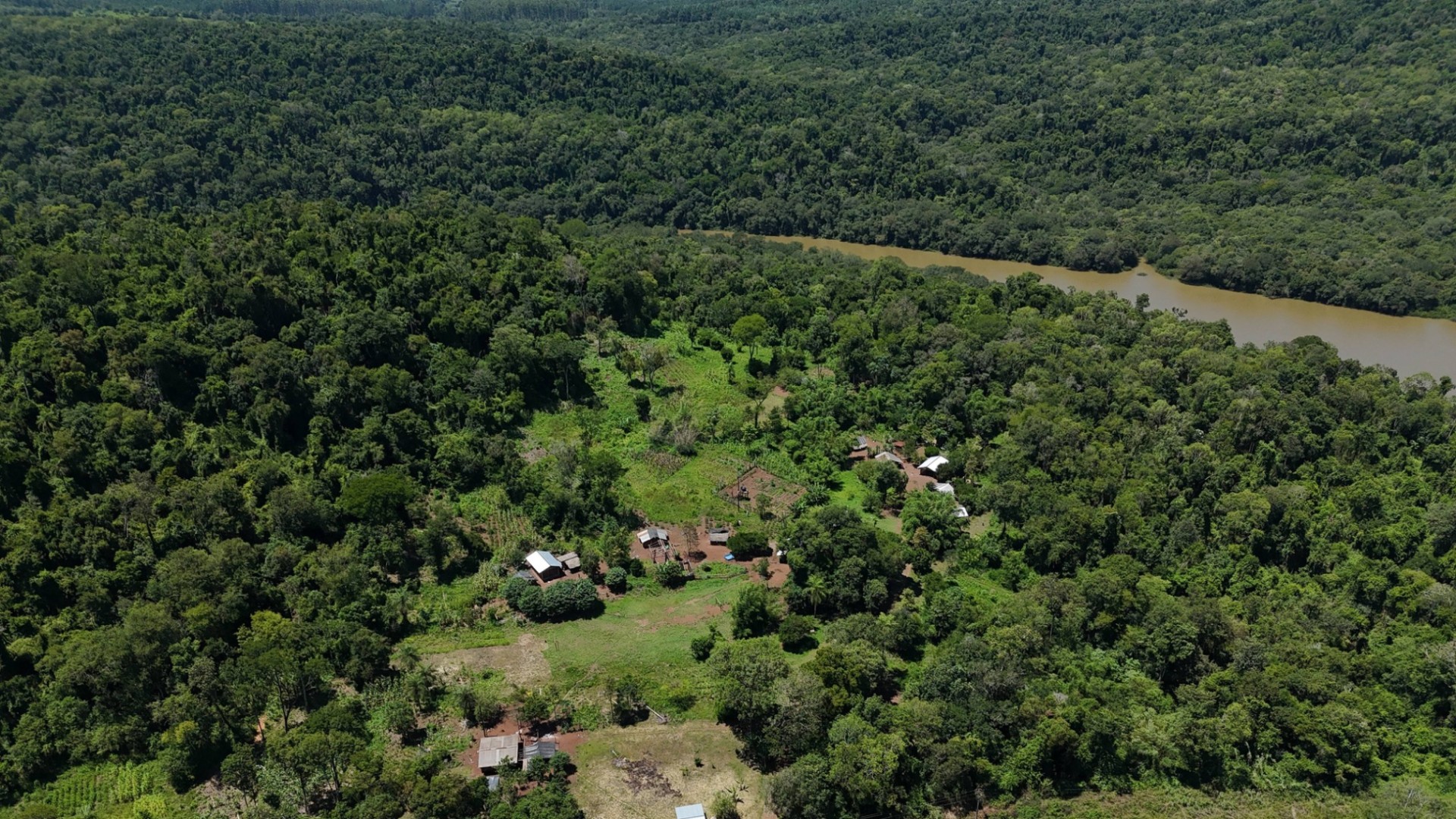
This stability is essential for the 6,853 families who continue to sustain 3.5 million hectares of ancestral land. The communities’ ability to maintain governance over such a vast area, despite the state’s refusal to recognize community ownership, represents a significant achievement in territorial defense.
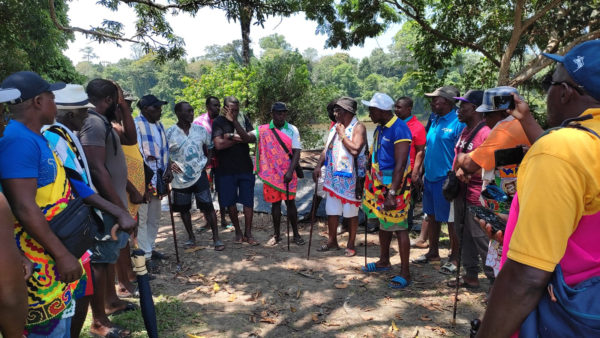
Within the territory, the network has prioritized economic and cultural autonomy. Communities have revived the trueque (barter) system, trading goods such as honey and wool across different ecological zones, from the high Puna to the banks of the Northeast. This ancestral practice has reduced their dependence on the inflationary national economy and strengthened social ties among Indigenous Peoples, including the Kolla, Wichi, and Qom. In addition, local projects have focused on improving irrigation and water management to help communities remain productive on their lands.
Education has also gained new importance as a tool for long-term security. The network is implementing bilingual, intercultural, community-based education to ensure that future generations remain grounded in their ancestral languages and customary laws. By preparing youth to take on the role of Indigenous guardians, the network is building a leadership base with the capacity to defend the land through both traditional knowledge and legal awareness.
Going forward, the network aims to overcome national indifference by seeking international recognition. It is currently finalizing its application to the ICCA Registry to gain a level of visibility that the national government has yet to provide.
By establishing their own territorial control points and community communication centers, members of Red TICCA Argentina have shown that the security of their territories now relies primarily on their own organizing efforts rather than on state recognition.