First published on 09/29/2026
By ICCA Consortium
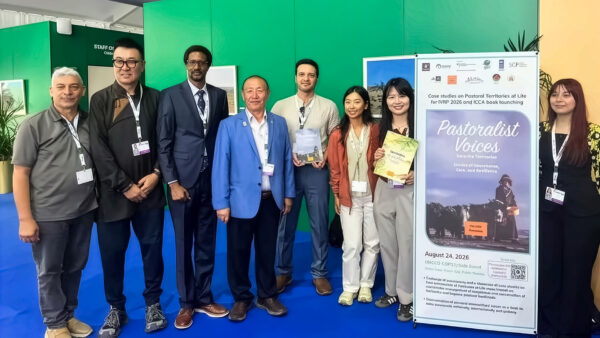
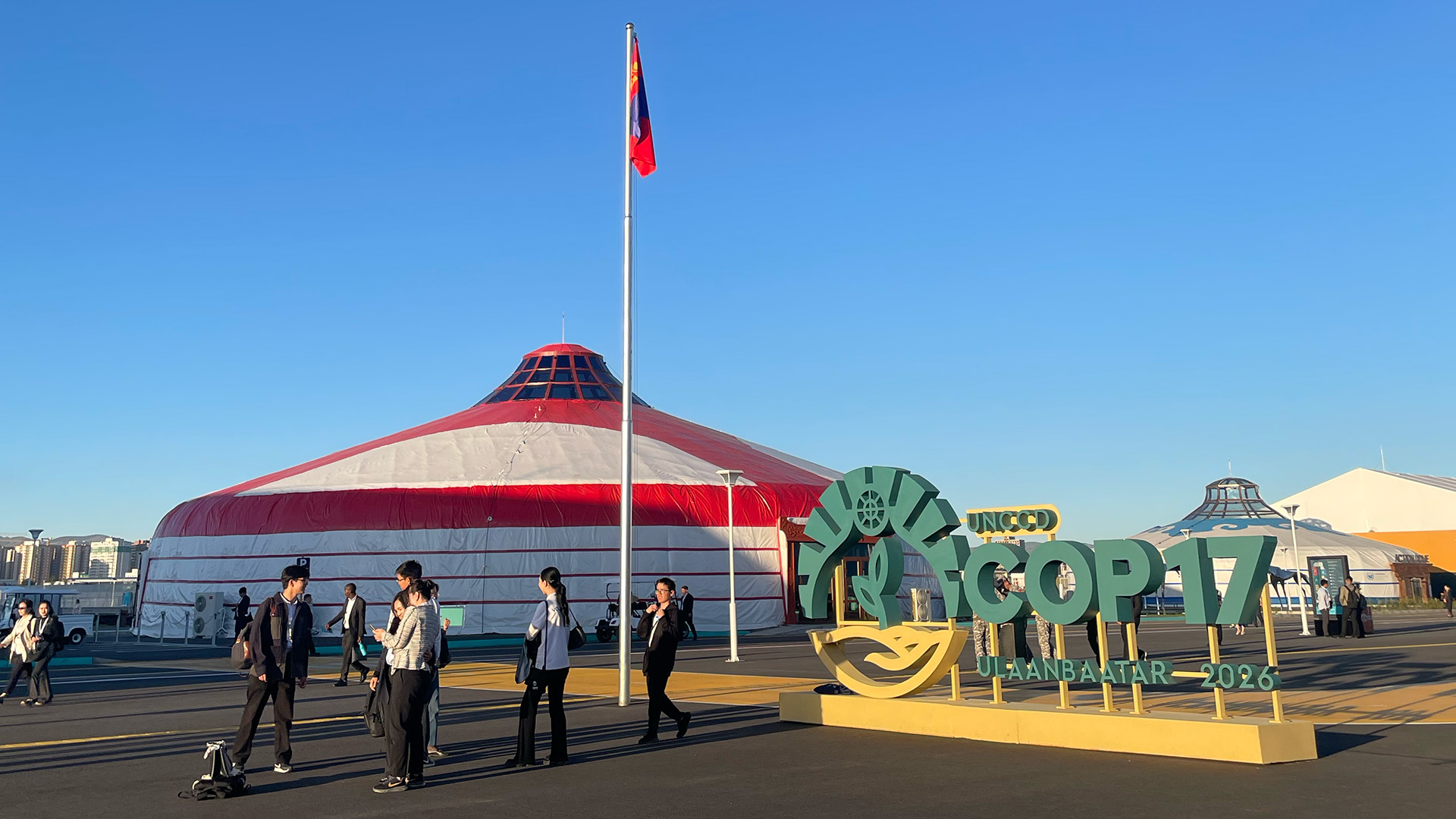
Several ICCA Consortium members, honorary members, and partner organizations attended formal sessions and side events and advocated for policies and actions friendly to pastoralist communities at UNCCD COP17.
The Consortium’s Members have been engaged in UNCCD processes for many years. The Consortium’s accreditation in 2026 marks a new stage for pastoral territories and their custodians across our association, creating a shared space for exchange, coordination, and new opportunities for participation and collaboration.
Beyond the formal negotiations, membership representatives and partner organizations contributed to several side events, bringing the experiences of Indigenous Peoples and Local Communities into discussions on mobility, restoration, conservation, finance, and land governance.
These spaces also offered an opportunity to question some of the assumptions underpinning those debates, particularly around how rangelands are understood, governed, and valued.
What happens when rangelands are considered empty or degraded land? What is overlooked when pastoral mobility is reduced to grazing and the movement of livestock, rather than recognized as a practice that sustains ecological processes, livelihoods, and knowledge across landscapes? And what should restoration efforts mean in places where communities have sustained those landscapes through generations of collective governance and care?
Grassroots Voices
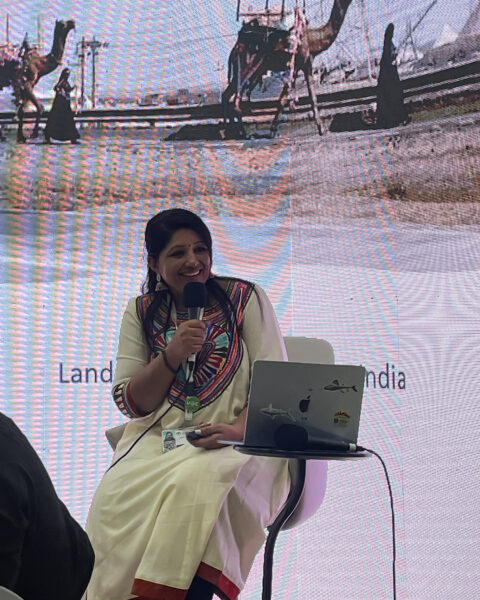
Bhavana Desai
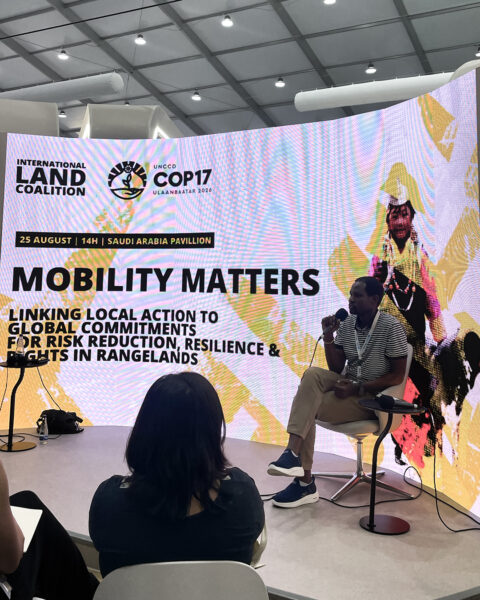
Bhavana Desai, of the Pastoral Women Alliance from India, spoke about pastoralism as a livelihood whose continuity depends on mobility. In an increasingly warmer world, she argued, pastoralism is uniquely able to endure in very hot environments, with mobility allowing communities to follow seasonal access to water and grazing areas across large landscapes.
Drawing on the experience of pastoral communities in India, she emphasized the importance of maintaining traditional migration routes and the knowledge accumulated through generations of movement. Women and young people, she noted, have a central role in sustaining these systems and determining their future.
Bhavana also pointed to the pressures increasingly restricting mobility, including infrastructure, industrial projects, changing land use, exclusionary conservation approaches, political borders, and policies that do not recognize pastoralists’ routes and rights.
Fred Loure Parmelo
Fred Loure Parmelo, of the Ujamaa Community Resource Team (UCRT) from Tanzania, shared how these same concerns are being addressed through policy advocacy, which has translated into regulatory change.
UCRT has long worked with pastoral communities to secure collective land rights and maintain links between territories. Fred referred to changes in land-use planning regulations that allow mobility and collective ownership between communities, alongside livestock regulations that recognize community practices, connectivity, and pastoral livelihoods. His intervention placed the emphasis not only on recognizing pastoral mobility, but on ensuring that land-use rules make it possible in practice.
The question of how communities influence those rules also emerged in the experience shared from the neighboring country.
James Mema
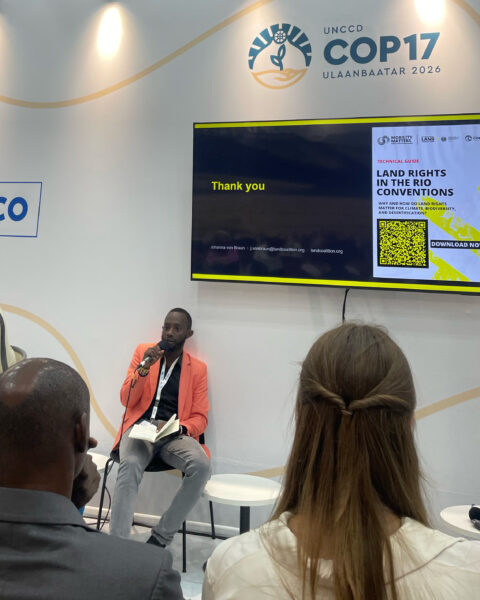
Working with communities across several counties, IMPACT Kenya has supported them to generate evidence about their own territories and use it in engagement with county and national governments. The approach strengthens communities’ capacity to document the changes affecting their lands and to bring that information directly into policy discussions, rather than relying exclusively on data produced by external actors.
Erkin Konurbaev
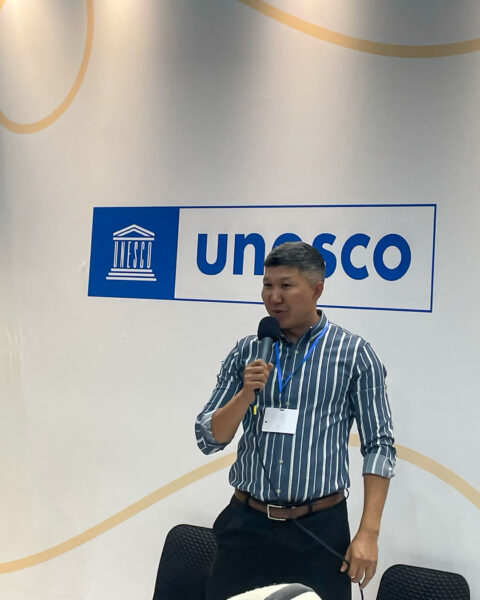
Erkin Konurbaev, from the Kyrgyz Association of Forest and Land Users (KAFLU), described similar efforts to strengthen pastoralists’ role in decision-making in the country. He spoke about their work to ensure their participation in discussions affecting pastoral lands and about engagement with government institutions on land tenure and women’s participation.
International frameworks, he explained, have also provided a strategic reference for national advocacy, helping connect global commitments with changes pursued at country level.
Milan Sekulovic
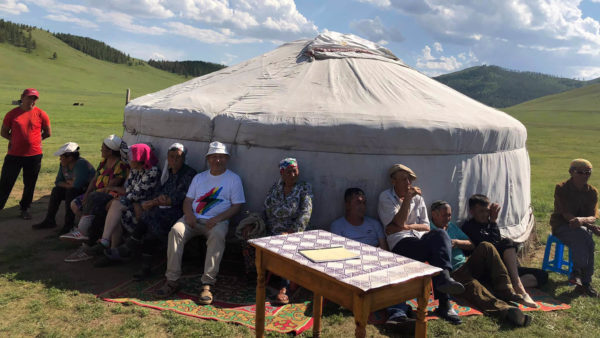
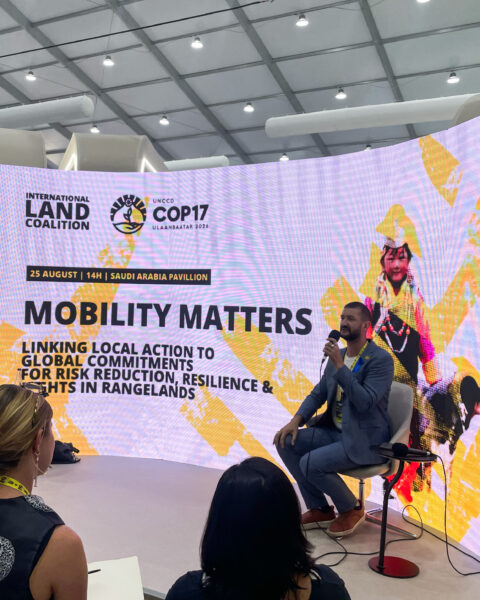
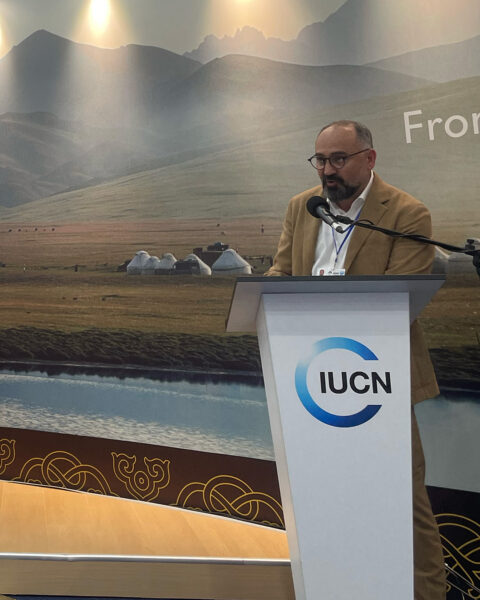
Milan Sekulovic, President of the Save Sinjajevina civil society group in Montenegro, spoke from the experience of the seasonal use of mountain rangelands. His family, like other pastoralists in the region, moves livestock to the mountains in spring and remains there through the warmer months. When pastoralists are absent later in the year, he explained, authorities can regard those landscapes as empty land, overlooking the knowledge, labor, and practices through which they have long been maintained.
“We talk about restoration of degraded lands, but not enough about protection first,” Milan said. His experience with Save Sinjajevina has centered on defending these mountain territories before degradation or conversion takes place, and on recognizing the pastoral systems that have kept them alive across generations to the present day.
In another side event, this time focused on investment in rangelands, Milan returned to the same experience from an economic perspective. Pastoralists, he argued, are already investing in these territories through their labor, livestock, knowledge, and care, although those contributions are rarely reflected in finance decisions. He called for greater investment in local people and in preventing them from leaving their territories, recognizing that their work already plays a central role in preventing degradation. Waiting until restoration becomes necessary, he argued, means overlooking what is already being sustained. “Money doesn’t buy trust nor people’s traditional knowledge.”
He also challenged narrow definitions of value, pointing to benefits that rarely enter conventional financial calculations. “How much would you pay for clean air?” he asked, noting that rangelands and forests provide precisely that.
Ruben Khachatryan
Ruben Khachatryan, from the Foundation for the Preservation of Wildlife and Cultural Assets (FPWC), brought the experience of community-based conservation in Armenia.
FPWC manages a protected area covering around 1% of the country and providing an important corridor for Red List species. Speaking in a discussion on conservation beyond conventional protected-area models, Ruben stressed that the initiative would not have succeeded without Local Communities. Their support, understanding of the conservation work, and ultimately their trust, he explained, have been fundamental to maintaining the area, placing relationships with communities at the very center of the conservation model.
Hanieh Moghani
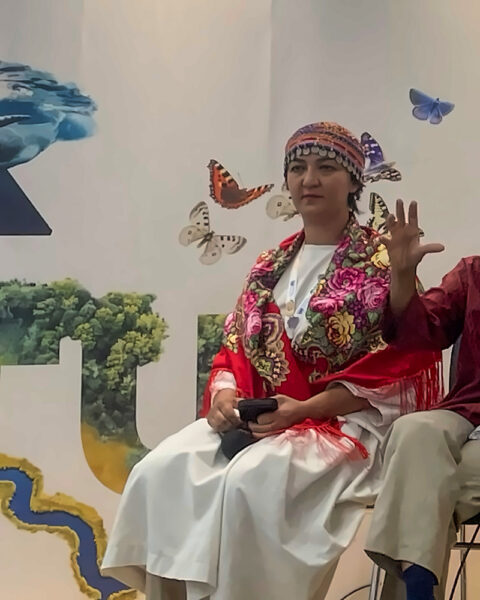
Hanieh Moghani, from Iran, the ICCA Consortium’s Regional Coordinator for West and Central Asia and the Caucasus and representative of the member organization CENESTA, questioned some of the terminology underpinning these discussions.
“Rangelands are not a piece of land, we use ‘territory’,” she said. For pastoral communities, she explained, territory encompasses water, pasture, and livestock, but also the knowledge of where and when to move, customary law, and the systems of common governance through which those decisions are made.
She also drew a distinction between conservation and restoration. Communities are the first to conserve their territories through their own systems of use and governance and turn to restoration, she said, “if something went wrong.” Pushing back against the way resilience is often framed in restoration debates, Hanieh drew attention to the pressure placed on pastoral communities when their own systems of knowledge, governance, and land use are sidelined. Her criticism was directed at that sequence: first undermining the systems communities rely on, and then expecting them to be resilient to the consequences.
New Publications at the UNCCD COP17
The experiences shared by representatives of our membership were echoed in several reports, case studies, and practical resources presented or discussed by partner and allied organizations at UNCCD COP17.
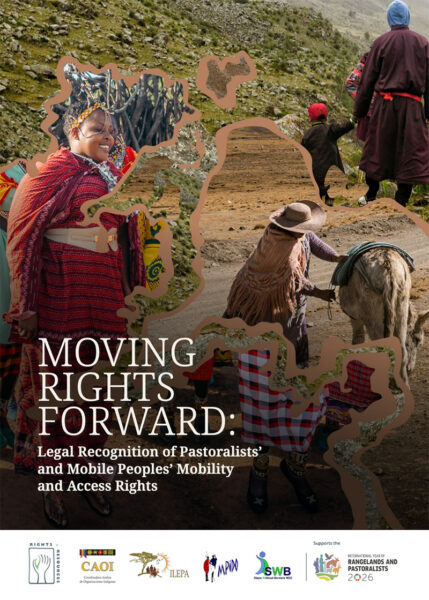
Moving Rights Forward: Legal Recognition of Pastoralists’ and Mobile Peoples’ Mobility and Access Rights
This publication by Rights and Resources Initiative brought together case studies from Asia, Africa, and Latin America, documenting how pastoral territories are affected by pressures ranging from mining, infrastructure, and land fragmentation to insecure tenure, climate change, and restrictions on mobility. Across these different contexts, the report also highlighted community-led responses grounded in customary governance, ancestral knowledge, and territorial rights.
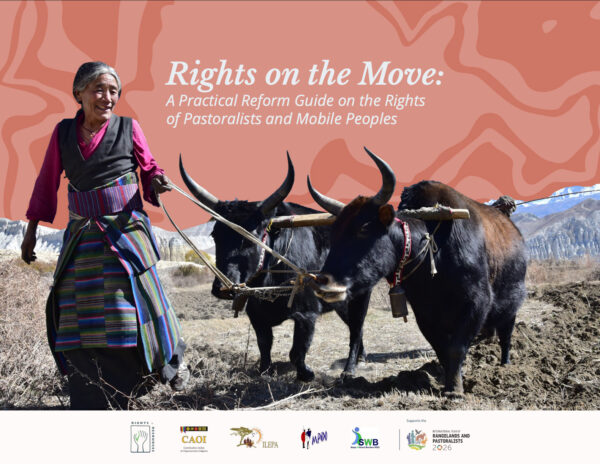
Its companion publication, Rights on the Move: A Practical Reform Guide on the Rights of Pastoralists and Mobile Peoples, focused on the reforms needed to make mobility and access rights effective in practice, including governance, consultation, Free, Prior, and Informed Consent, dispute resolution, compensation, and women’s rights.
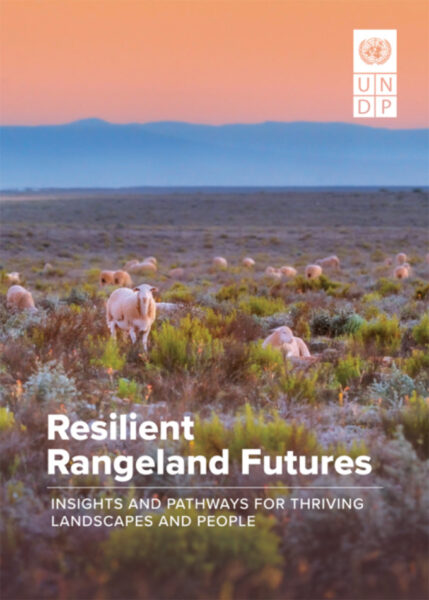
Resilient Rangeland Futures: Insights and Pathways for Thriving Landscapes and People by UNDP placed pastoralists at the center of a broader discussion on how restoration policies and investment priorities need to change. The publication emphasized building on systems that already exist, recognizing pastoral governance, and ensuring that communities are directly involved in defining both the problems and the responses.
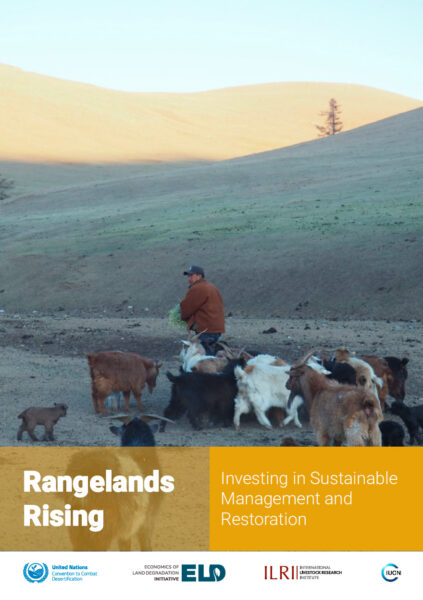
Rangelands Rising: Investing in Sustainable Management and Restoration by the International Livestock Research Institute (ILRI) with the Economics of Land Degradation Initiative and partners. The report highlighted the ecological, economic, social, and cultural value generated by rangelands, alongside the persistent gap between that value and the investment they receive. Its recommendations included stronger land tenure, more inclusive governance, early intervention, and investment in landscapes where governance already supports stewardship.
Together, these publications provided a wider frame for many of the experiences brought to Ulaanbaatar, from the gap between legal recognition and implementation to the persistent undervaluing of rangelands and the need to recognize the governance systems already sustaining them.
After Ulaanbaatar
Many of the intervening opportunities at UNCCD COP17 were made possible through coordination with and kind invitation by the RRI, International Land Coalition, UNDP, IUCN, and other organizations and allies who created space for these exchanges during the Conference.
UNCCD COP17 marked the first official international engagement of the recently established Working Group on Rangelands and Pastoralism of the Consortium. As the group develops, it will continue to broaden participation across the membership, strengthen connections between regions, and bring a wider range of territorial experiences into collective work and future international processes.
All photos by Xaviera/ ICCA Consortium