On March 5, 2018, the UN Special Rapporteur on Human Rights and the Environment, Professor John H. Knox, presented the final report of his mandate to the 37th Session of the Human Rights Council in Geneva. This report (A/HRC/37/59) identifies 16 framework principles on human rights and the environment, addresses the human right to a safe, clean, healthy and sustainable environment and looks ahead to the next steps in the evolving relationship between human rights and the environment.
According to the report (paras. 8-9), the 16 framework principles “set out basic obligations of States under human rights law as they relate to the enjoyment of a safe, clean, healthy and sustainable environment. Each framework principle has a commentary that elaborates on it and further clarifies its meaning. The framework principles and commentary do not create new obligations. Rather, they reflect the application of existing human rights obligations in the environmental context… While many of the obligations described in the framework principles and commentary are based directly on treaties or binding decisions from human rights tribunals, others draw on statements of human rights bodies that have the authority to interpret human rights law but not necessarily to issue binding decisions.
“The coherence of these interpretations, however, is strong evidence of the converging trends towards greater uniformity and certainty in the understanding of human rights obligations relating to the environment. These trends are further supported by State practice, including in international environmental instruments and before human rights bodies. As a result, the Special Rapporteur believes that States should accept the framework principles as a reflection of actual or emerging international human rights law. He is confident that, at a bare minimum, States will see them as best practices that they should move to adopt as expeditiously as possible.”
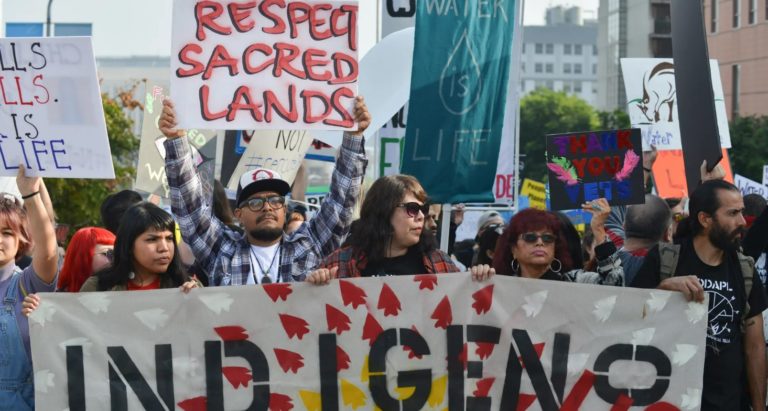
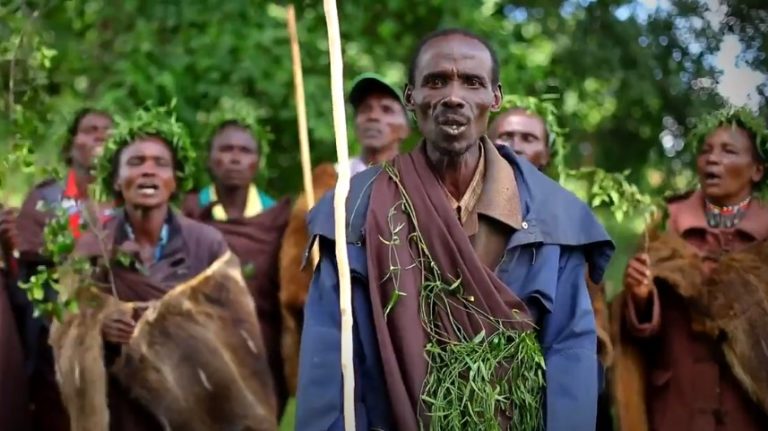
The framework principles and related commentary that explicitly refer to Indigenous peoples and traditional communities include:
- Framework principle 4: “States should provide a safe and enabling environment in which individuals, groups and organs of society that work on human rights or environmental issues can operate free from threats, harassment, intimidation and violence.”
- Framework principle 10: “States should provide for access to effective remedies for violations of human rights and domestic laws relating to the environment.”
- Framework principle 13: “States should cooperate with each other to establish, maintain and enforce effective international legal frameworks in order to prevent, reduce and remedy transboundary and global environmental harm that interferes with the full enjoyment of human rights.”
- Framework principle 14: “States should take additional measures to protect the rights of those who are most vulnerable to, or at particular risk from, environmental harm, taking into account their needs, risks and capacities.”
- Framework principle 15: “States should ensure that they comply with their obligations to indigenous peoples and members of traditional communities, including by:
(a) Recognizing and protecting their rights to the lands, territories and resources that they have traditionally owned, occupied or used;
(b) Consulting with them and obtaining their free, prior and informed consent before relocating them or taking or approving any other measures that may affect their lands, territories or resources;
(c) Respecting and protecting their traditional knowledge and practices in relation to the conservation and sustainable use of their lands, territories and resources;
(d) Ensuring that they fairly and equitably share the benefits from activities relating to their lands, territories or resources.”
The framework principles are available in six languages at: http://ap.ohchr.org/documents/dpage_e.aspx?si=A/HRC/37/59. A user-friendly version can be downloaded at: http://www.ohchr.org/Documents/Issues/Environment/SREnvironment/FrameworkPrinciplesUserFriendlyVersion.pdf.
A written version of the Special Rapporteur’s statement to the Human Rights Council can be downloaded at: http://srenvironment.org/wp-content/uploads/2018/03/Knox-presentation-to-HR-Council-final.pdf. A video of his presentation can be viewed at: http://webtv.un.org/search/clustered-id-sr-on-sustainable-evironment-and-on-right-to-food-17th-meeting-37th-regular-session-human-rights-council/5744971238001/?term=environment&sort=date (see 00:01:04-00:16:42).
Follow the Special Rapporteur on Twitter @SREnvironment.