Women, food and biodiversity (2018) Cristina Eghenter bersama dengan Adri Aliayub, Letriana Dewi, Sri Jimmy Kustini, WWF-Indonesia (In Indonesian only)
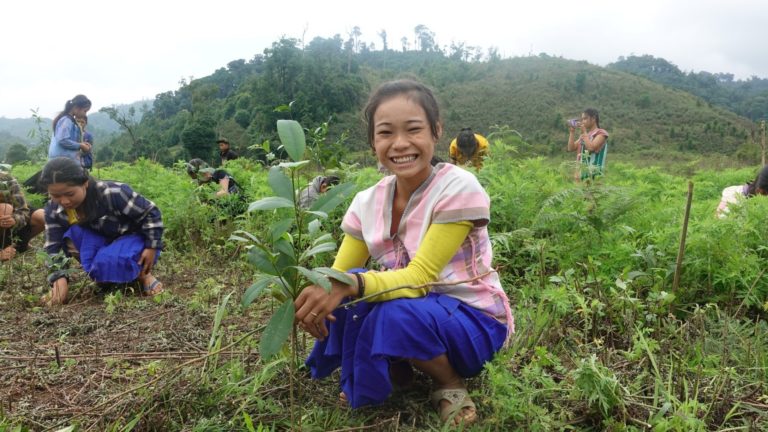
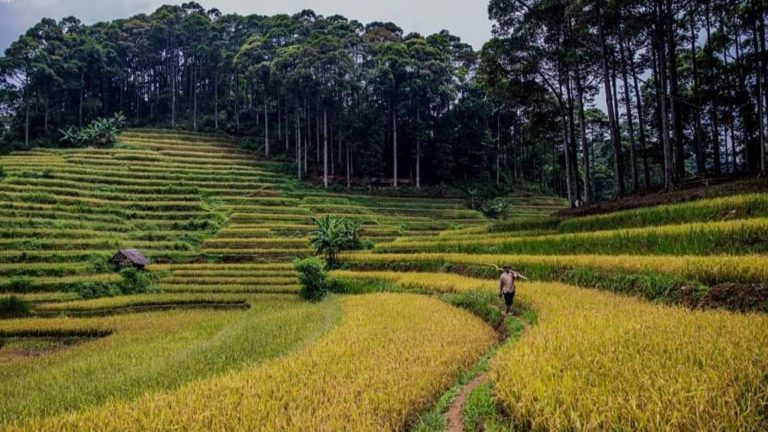
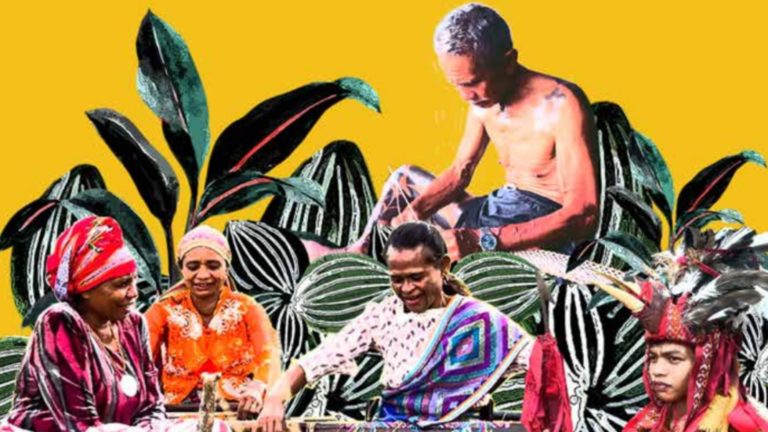
The lives of women farmers in rural Kalimantan who daily and quietly labor in their communities to safeguard local agricultural systems and food security become the subject of this book written collectively with women farmers and local seed keepers from Kalimantan, Indonesia.
By preserving the seeds of the many varieties of rice, sorghum, corn, millet but also tubers and vegetables, and by routinely planting and using them for the consumption of their families and supply to local markets, women farmers remind us of the crucial role that women play in rural economy and the importance of biodiversity for the resilience and sustainability of food crops. Nevertheless, women farmers have often been ignored by agricultural policy- and decision-makers.
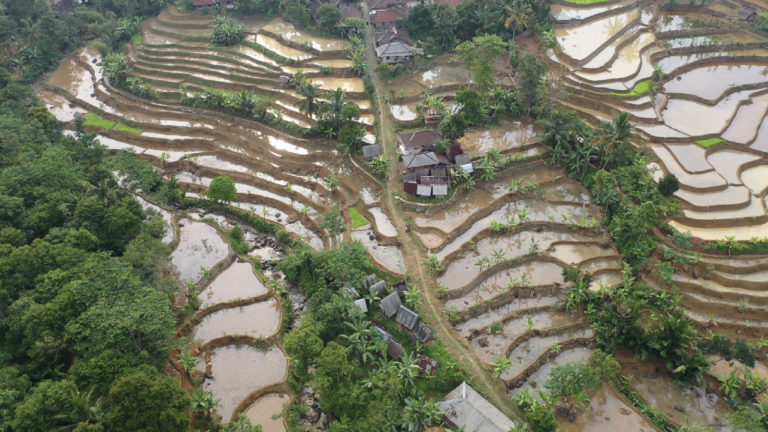
With increasing land clearing, agribusiness and big food estates, monocropping and heavy chemical input in agriculture, it is not just traditional crops that are being ignored and traditionally used lands encroached upon, it is also the knowledge and traditional ways of growing crops that are under threat, and the local agricultural and food systems that have sustained rural communities for a long time. Women have often been the seed keepers, the ones to pick and prepare food sources from the wild and inter-crop in the fields to ensure more nutritious food and enrich diets in healthy ways, hence women often have a strong bond with the resources and the territory. This knowledge and best practices are also at risk of disappearing.
The stories in the book also tell us that traditional crops can have good commercial potential and offer good livelihood opportunities. In Kalimantan, a growing number of women in rural communities and towns have become entrepreneurs, open small catering services or restaurants, add value to products in the local supply chain by processing fish into nuggets and chips, sell local varieties of rice at premium market price to urban consumers increasingly interested in healthy and green living. Some women farmers have decided to organize themselves and sell at local markets specialized around traditional and organic food crops.
The stories in the book ought to persuade decision-makers that that women farmers can be effective agents of change if supported in their initiatives and engaged in policies regarding agriculture and rural economy. They also tells us beyond any doubt that empowering women and safeguarding agrobiodiversity are at the core of building wise foodways for the future.