By ICCA Consortium
The IYRP presents an unparalleled opportunity to advance the recognition of pastoralists as legitimate rights-holders and custodians of their territories of life. The ICCA Consortium is uniquely positioned to shape global narratives around mobile governance, customary governance systems, land and resource rights, and biocultural stewardship. In doing so, we will continue to support regional pastoralist networks and amplify community priorities on the global stage, with our work centering pastoralists as core rights-holders and stewards of territories of life, and highlighting the value of customary governance, mobility, and biocultural stewardship.
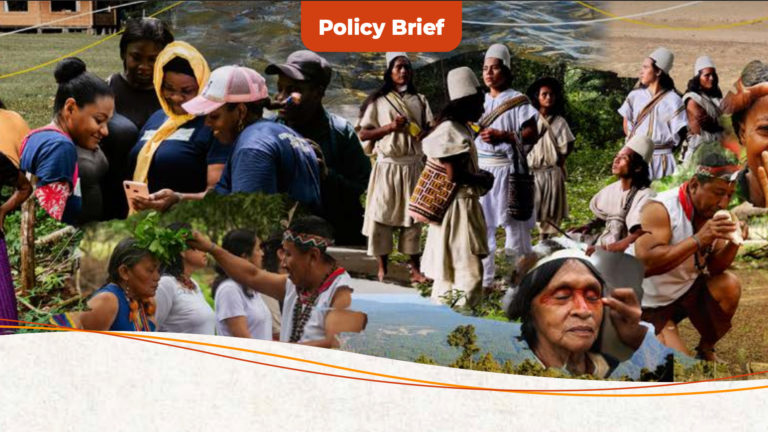
The upcoming 17th session of the Conference of the Parties to the United Nations Convention to Combat Desertification (UNCCD COP17) in Mongolia is a critical policy milestone for elevating pastoralist voices and advancing drylands governance. To develop IYRP-aligned evidence as materials for knowledge gathering and sharing, communications, and policy advocacy, the ICCA Consortium’s Working Group on pastoral territories of life invites all members of the Consortium across all regions to share stories that showcase pastoral life and culture, and contribute to the global thematic agenda of IYRP.
Cases we seek
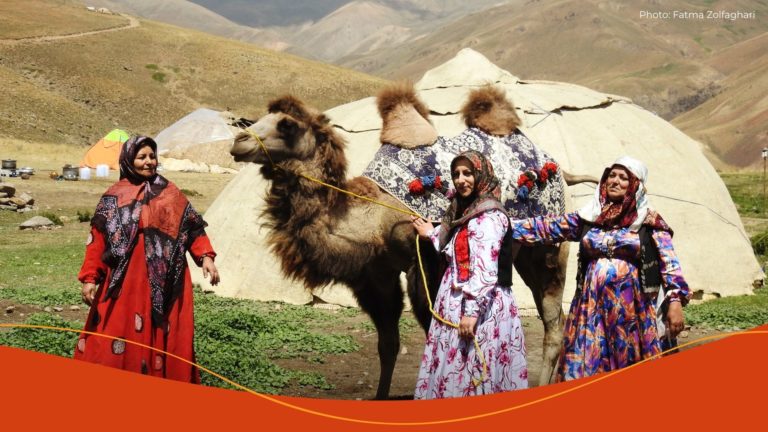
We aim to collect cases from single or multiple culturally connected communities that collectively manage natural resources, to demonstrate how territories of life, alongside pastoralists and their traditional cultures and knowledge systems, play a vital role in addressing climate change, biodiversity loss, and land degradation. Submitted cases should depict the featured pastoral territory of life, including its contextual background, local stories, and key stakeholders. Supplementary materials such as videos, documentaries, photographs, posters, or artworks are also welcome, as these will be utilized in future communication initiatives including exhibitions and online social media campaigns.
How the cases will be utilized
Collected cases will be selected and edited based on their content quality and representativeness. We will compile a formal case study report, featuring in-depth analysis and policy recommendations, which will be published in e-book format disseminated widely through ICCA Consortium’s websites. The findings from this report will also be shared at key global advocacy events, most notably UNCCD COP17 in Mongolia. All submitted cases will be used solely for public-interest and non-commercial purposes.
Methodology
- Case selection: we prioritize regional and pastoral system diversity (encompassing nomadic, transhumant, and agro-pastoral systems) and ensure the inclusion of women’s and youth’s voices and perspectives.
- Minimum information requirements per case: (1) community name and specific geographic location; (2) pastoral mobility patterns and key natural resources; (3) governance and customary institutions; (4) key threats and pressures faced by the community; (5) community-led responses, core priorities, and implementation actions; (6) informed consent status and sensitivity notes for the case.
- Evidence base: where safe and feasible, community narratives will be cross-verified with available documentation, including customary rules, local agreements, relevant policy and legal frameworks, and partner organization reports.
- Ethics and informed consent: explicit informed consent must be obtained for the use of all quotes, photographs, and videos. Where potential risks exist for the community or individuals, all identifying details must be anonymized or generalized.
Alignment with IYRP monthly themes
Cases may be tagged to one or more of the following monthly themes of the international year of rangelands and pastoralists 2026:
- January: Who are pastoralists? What are rangelands?
- February: Securing mobility and access to resources
- March: Social and economic services for pastoral communities
- April: Climate change and pastoral resilience
- May: Biodiversity and ecosystem services of rangelands
- June: Soils, water resources and sustainable land use
- July: Sustainable livestock consumption and value chains
- August: Indigenous and traditional knowledge and cultural heritage
- September: Sustainable livestock production systems
- October: Pastoralist women: leadership, rights and empowerment
- November: Pastoralist youth: innovation, future and participation
- December: Looking forward: Sustaining pastoralism beyond 2026
How to submit
Please use the case submission template: Download
Send the completed document to us at iyrp@iccaconsortium.org
Submission Deadline: April 12, 2026