By: Yolanda Sikking and Andrey Laletin, Global Forest Coalition
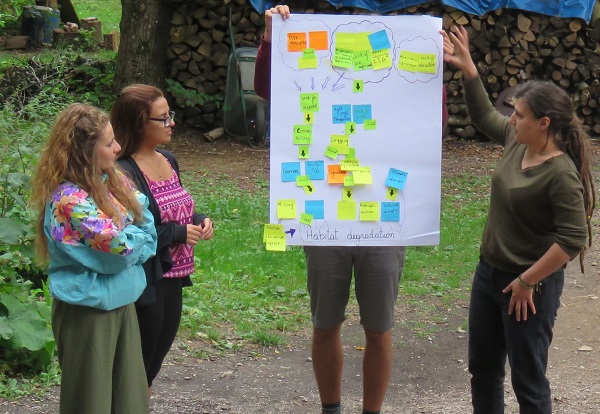
Using participatory processes to involve communities from the very beginning, the Global Forest Coalition (GFC) encourages communities to assess the resilience of their own conservation practices in light of external and internal threats. Together, they develop concrete, bottom-up recommendations for appropriate support of their conservation practices. These activities are part of the Community Conservation Resilience Initiative (CCRI). A number of CCRI activities are already underway, and the results are inspiring. You can read more here, and here.
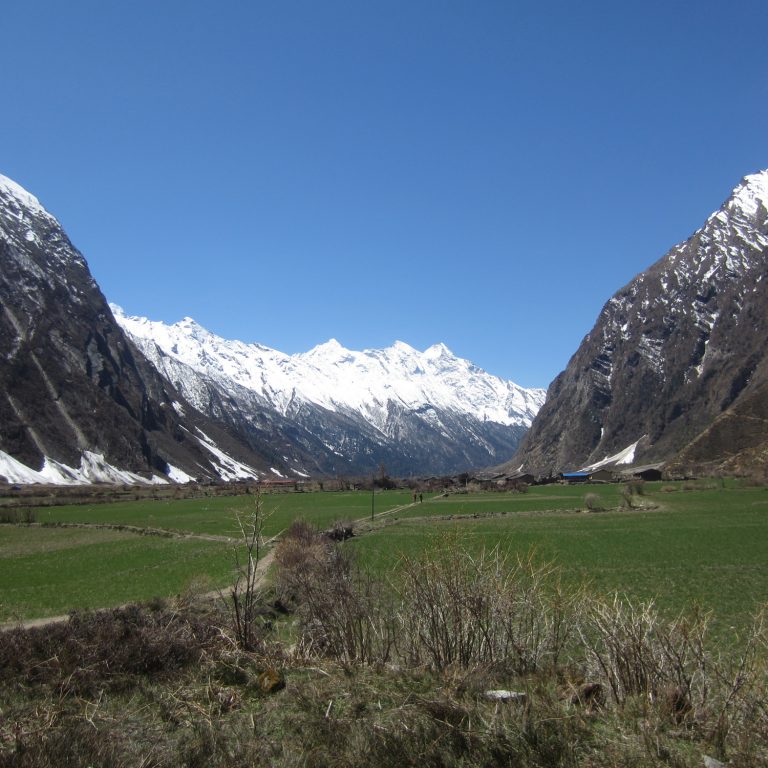
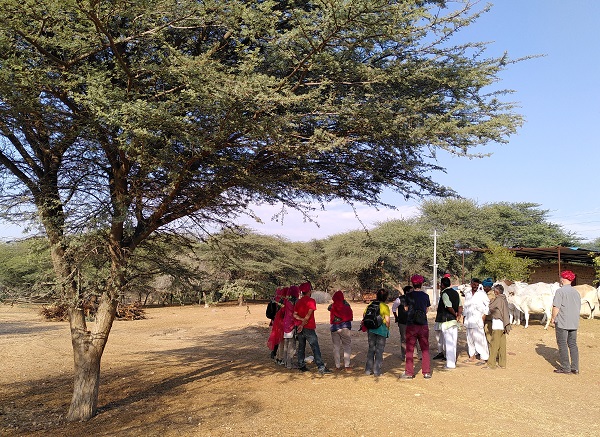
Tajikistan is one of the countries in which the Community Conservation Resilience Initiative (CCRI) is being implemented. Here, a CCRI workshop with GFC partner groups took place on May 12, 2016, tofocus on capacity-development towards adapting local communities’ livelihoods in sustainable mountain forest ecosystems. The communities shared their concerns and explained how they conserve trees and forests around their villages. Tajikistan is the place where many fruit trees, such as apricot, cherry, plum and almond, originated. Local people bring sprouts of these trees from the forest and use them as sources for natural selection in private or collective gardens. They build fences around these trees and around plots of forests to protect them from the livestock. This is a crucial measure, as there are now more than 8.5 millions sheep in Tajikistan, up from 3 million when the country was under the rule of the Soviet Union 25 years ago. With this increase, there isn’t enough pastureland to sustain the livestock. Every summer, shepherds lead large herds of sheep to the north of the country, and each winter they migrate back to the south. In 2016, activists from GFC’s local partner, Noosphera, will visit 5 project communities, to listen to needs of local people and facilitate discussions with community members, including women, young people and elders. Their goal will be to find solutions together. Read more here.
For more information please contact Andrey Laletin.




![[This call is now closed] Open call for volunteer translators to support the ICCA Consortium](https://www.iccaconsortium.org/wp-content/uploads/2020/01/hiring-icca-2-768x644.jpg)