Members approve the 2026 Global Action Plan, advance governance reforms, and elect new regional leadership to defend territories of life
First published on 07/14/2026, and last updated on 09/14/2026
By ICCA Consortium
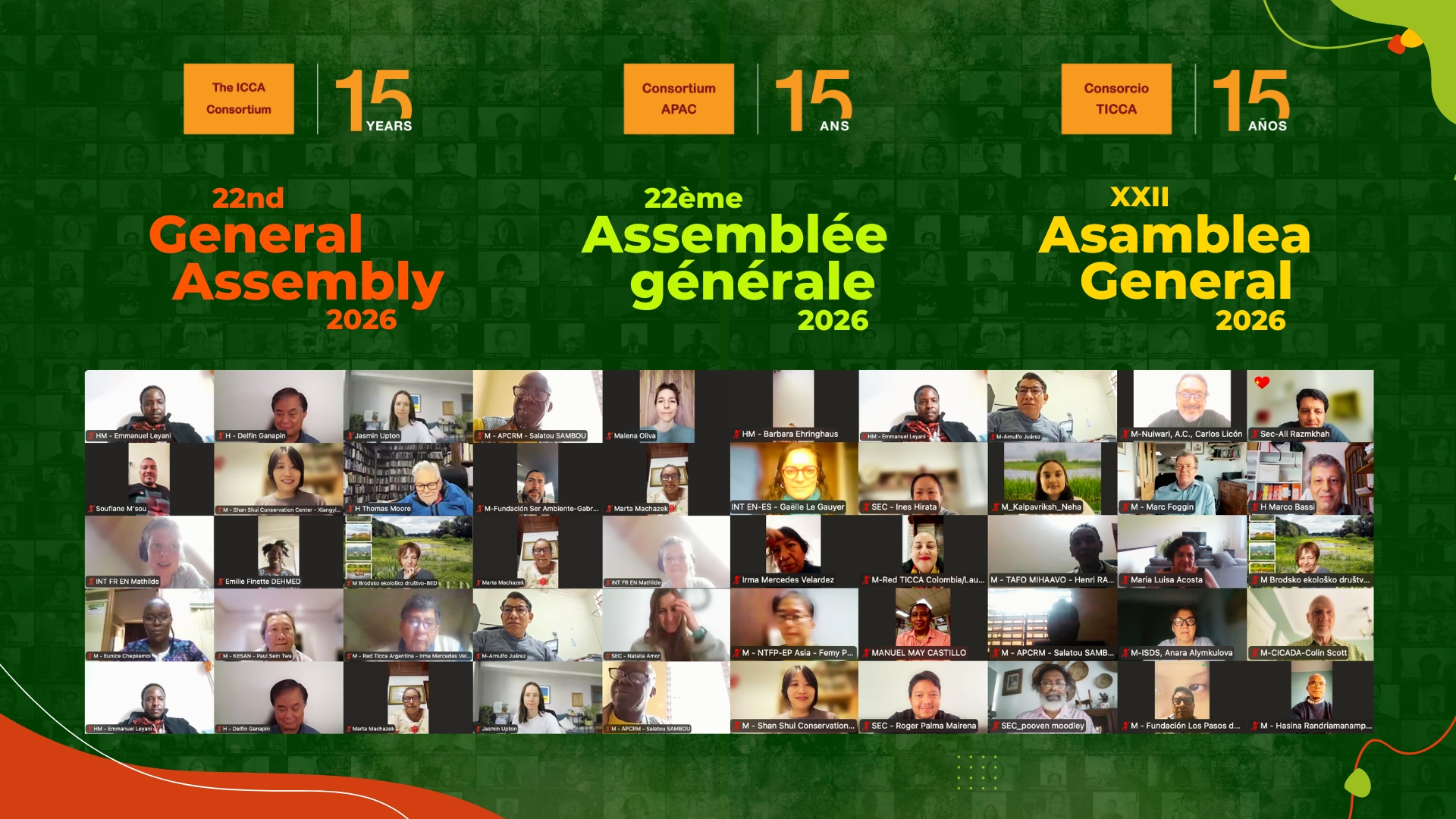
The 22nd General Assembly of the ICCA Consortium was held virtually in May and June 2026, bringing together an average of 217 participants across four sessions, including representatives of member organizations, honorary members, partners, and observers.
The Assembly combined reflections on a year of global and regional work with forward-looking discussions on strategy, governance, regionalization, resource mobilization, and organizational change. Key outcomes included the approval of the 2026 Global Action Plan and Budget, updates on governance reform, the confirmation of new Council representatives, and renewed discussions on financial sustainability and collective direction.
As the Consortium’s highest decision-making body, the General Assembly advanced institutional processes and decisions that will help shape the year ahead. The following summary captures the main moments and outcomes of each session.
Session 1: Global Reflections, Accountability, and Shared Direction
The first session of the 22nd General Assembly of the ICCA Consortium, held on 26 May 2026, convened the entire network to take stock of a year of collective work and reflect on the path ahead. Opening the session, President Luis Guillermo Izquierdo highlighted the growing pressures faced by Indigenous Peoples and Local Communities, from armed conflict to the expansion of extractive industries, and reiterated the importance of solidarity and coordinated action in the defense of territories of life.
With the agenda approved for all four sessions, members turned to a series of institutional reports that offered both a snapshot of progress and a mirror of the challenges ahead.
The Global Action Report presented 2025 as a milestone year, marking the Consortium’s 15th anniversary in a rapidly shifting global context. It reflected on the Consortium’s engagement in key international arenas such as negotiations at the Convention on Biological Diversity (CBD), the IUCN World Conservation Congress, discussions related to the UN Ocean Conference, and the 30th Conference of the Parties to the United Nations Climate Change Conference, where efforts focused on creating meaningful space for Indigenous Peoples and Local Communities within global decision-making processes. At the same time, the report pointed to the internal strengthening required to sustain this expanding role. Greater coordination, stronger multilingual communication, improved knowledge systems, and long-term financial sustainability were all identified as essential foundations for the years ahead.
The Membership Committee Report reflected a growing and increasingly diverse network, with 27 new members joining across regions, particularly in Latin America. Alongside this growth, members discussed how to ensure that regional representation and membership processes remain inclusive, accessible, and meaningful, reinforcing the quality as well as the scale of participation.
Financial and audit reports presented by Treasurer Colin Scott and Auditor Marc Foggin confirmed a stable financial position for 2025, while also underscoring the importance of strengthening transparency and ensuring that financial decisions remain closely aligned with strategic priorities. The session closed with a collective reflection that brought together many of these threads: the need to strengthen communication and knowledge sharing, deepen member engagement, enhance the participation of territories of life in decision-making, and continue advancing decentralization and financial sustainability.
Session 2: Regional Realities and Shared Commitments for Resourcing territories of life
The second session of the General Assembly shifted the focus from an institutional overview to the lived realities and priorities emerging across regions, as well as the Consortium’s evolving approach to resource mobilization. Through consolidated mega-regional reports from Asia, Africa, Latin America, and Europe, members were invited to reflect on both the diversity of contexts and the shared patterns shaping their work.
Across regions, there was a strong sense of continuity in efforts to strengthen the recognition of territories of life, reinforce community governance systems, and respond to ongoing pressures on land, livelihoods, and ecosystems. Alongside these challenges, the membership also highlighted important gains, particularly the growing role of Indigenous Peoples and Local Communities in biodiversity governance, ecosystem restoration, and the construction of regional networks of solidarity and mutual support.
The discussion then moved toward resource mobilization, introduced through an emerging strategic framework presented by Global Coordinator Ali Razmkhah. Rather than being framed solely as a financial question, resource mobilization was presented as a collective responsibility that spans all levels of the Consortium.
In the conversations that followed, members reflected both priorities and principles. The defense of territories of life, self-determination, community governance, advocacy, and direct support to communities facing urgent threats emerged as central priorities. Equally important was the recognition that resources also take non-financial forms, including knowledge sharing, technical support, and advocacy contributions.
Throughout the session, there was a shared insistence that any resource mobilization effort must remain grounded in transparency, community autonomy, free, prior, and informed consent (FPIC), and the core values that underpin the Consortium’s work as a movement.
Session 3: Planning Ahead: Strategy, Budgets, and Collective Implementation
The third session of the General Assembly brought together strategic planning and practical implementation, as the membership reviewed the 2026 Global Action Plan and Budget, which outlines six interconnected priorities: policy engagement, regionalization and interregional collaboration, community self-strengthening, governance and coordination systems, knowledge production, and resource mobilization.
Rather than separate strands of work, these priorities were framed as part of a single integrated approach aimed at strengthening coherence across the Consortium, linking external advocacy with internal organizational development. Updates from the international policy and advocacy team highlighted planned engagement in global processes such as the International Year of Rangelands and Pastoralists and the 17th Conference of the Parties of the United Nations Convention to Combat Desertification, CBD COP17, alongside new initiatives including “Living Well with the Earth” and a collaboration with IUCN under the COLOURS initiative.
Regional coordination hubs from across all regions presented their 2026 action plans, reflecting both shared strategic directions and the diversity of regional realities, with common priorities emerging around documentation of territories of life, legal recognition processes, community strengthening, and participation in international policy spaces.
The 2026 budget was presented and approved, structured across regional support, programmatic activities, communications, global coordination, and administration, with almost half of the total allocation dedicated to regional support, reinforcing the Consortium’s focus on decentralized implementation and regional strengthening.
The Assembly also approved several Council representatives, while noting procedural questions raised during the discussion and the need to continue refining nomination and election processes for consistency, clarity, and transparency across regions.
Session 4: Governance, Elections, and Organizational Evolution
The final session of the General Assembly turned to governance decisions, elections, and the ongoing evolution of the Consortium’s organizational structure. Discussions began with the review of nominations and elections for remaining regional Council positions across Africa, Asia, and the Americas.
The Assembly confirmed the redesignation of Marc Foggin as Auditor of Accounts and Ombudsperson. Regarding its mandate, members also reflected on the potential for developing more decentralized support structures for this role at the mega-regional level, as part of broader governance strengthening efforts.
The Organizational Change Committee presented updates on governance reform and regionalization, including several concrete proposals, such as restructuring the Consortium into mega-regions, revising the composition of the Executive Committee, and strengthening accountability and reporting mechanisms across governance levels.
Following an interactive section on resource mobilization and financial sustainability, attention also turned to the fiscal sponsorship arrangement and related organizational processes. This opened space for wider reflections on membership engagement and participation, and on how global governance and decision-making structures connect with the wider membership.
Elections for the 2026–2029 Term
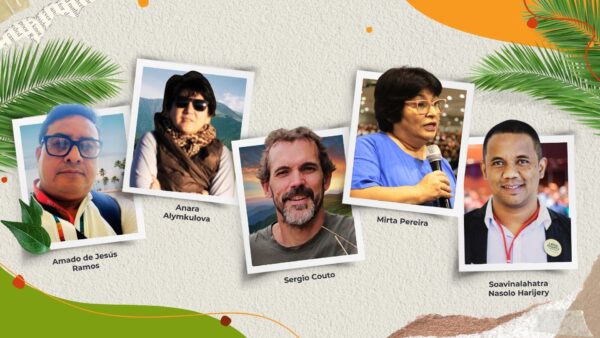
The following leaders were elected during the 22nd General Assembly for the 2026–2029 term:
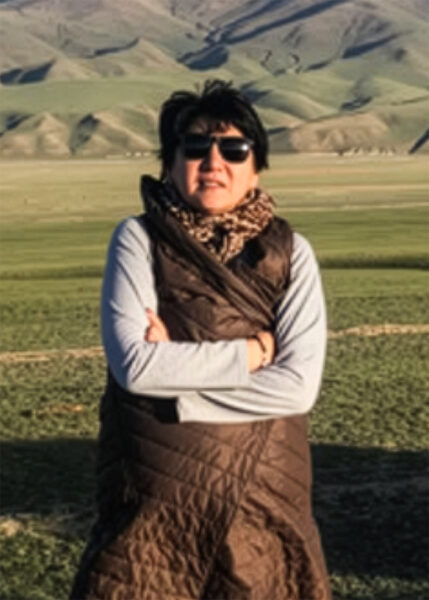
Anara Alymkulova
Regional Representative for West and Central Asia and the Caucasus
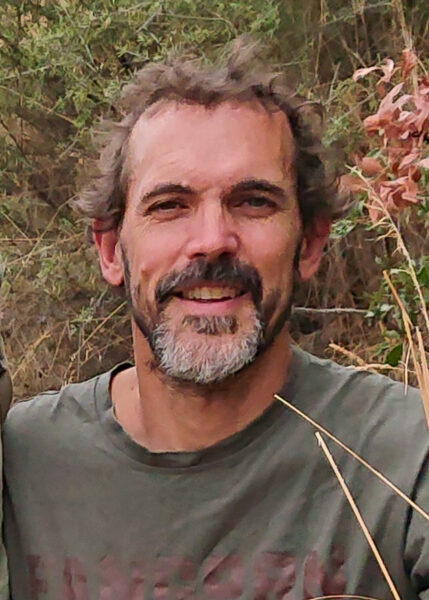
Sergio Couto
Regional Representative for Europe
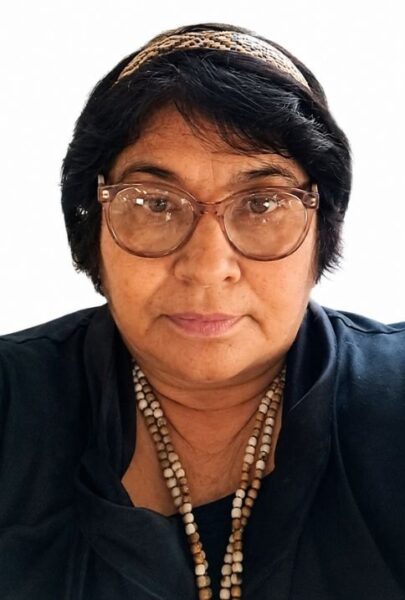
Mirta Pereira
Regional Representative for the Andes and Southern Cone
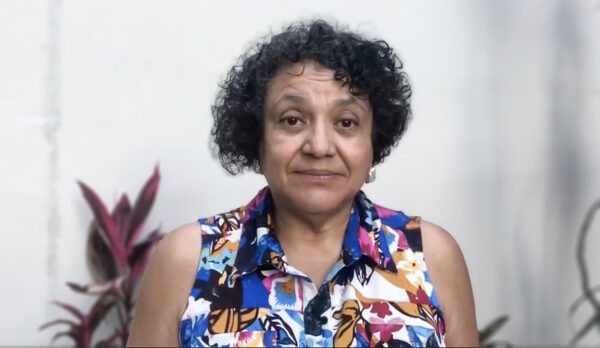
María Luisa Acosta
Interim Regional Representative for Latin America

Amado de Jesús Ramos
Regional Representative for Mesoamerica and the Caribbean
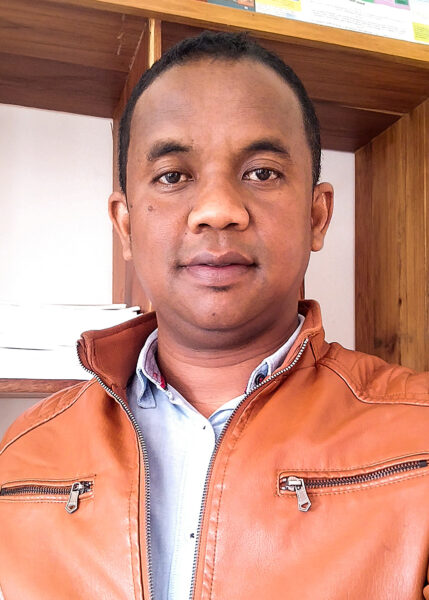
SOAVINALAHATRA Nasolo Harijery
Regional Representative for Madagascar and the Indian Ocean Islands
Discussions held during the 22nd General Assembly reflected a Consortium actively working through how to evolve its structures in line with its growing complexity. Questions around governance, regionalization, membership engagement, and organizational arrangements are part of an ongoing collective effort to ensure that decision-making remains meaningful, accessible, and grounded in the realities of the Consortium’s membership across different contexts.
A clearer direction is emerging around strengthening regional capacities, improving coherence across governance levels, and reinforcing the connection between global structures and the wider membership. These are not settled pathways, but areas of work that will continue to take shape through practice, feedback, and shared experience.
The Assembly remains a unique space for the Consortium’s global network to come together, reflect, realign around shared values, and define collective priorities. We are deeply grateful to all members, honorary members, partners, observers, interpreters, facilitators, and team members who dedicated their time and energy to these discussions, and who continue to represent and support territories of life across diverse contexts.